This article was automatically translated from the original Turkish version.
Music(s) | Ennio Morricone | ||||||||
|---|---|---|---|---|---|---|---|---|---|
Director(s) | Sergio Leone | ||||||||
Genre | Spaghetti Western | ||||||||
Screenplay(s) | Furio Scarpelli Agenore Incrocci Luciano Vincenzoni Sergio Leone | ||||||||
Original Name(s) | Il buono il cattivo il brutto | ||||||||
Duration | 2 hours 41 minutes | ||||||||
Main Actors / Characters | Clint Eastwood (Blondie), Eli Wallach (Tuco), Lee Van Cleef (Angel Eyes/Sentenza) | ||||||||
English Name | The Good, the Bad and the Ugly | ||||||||
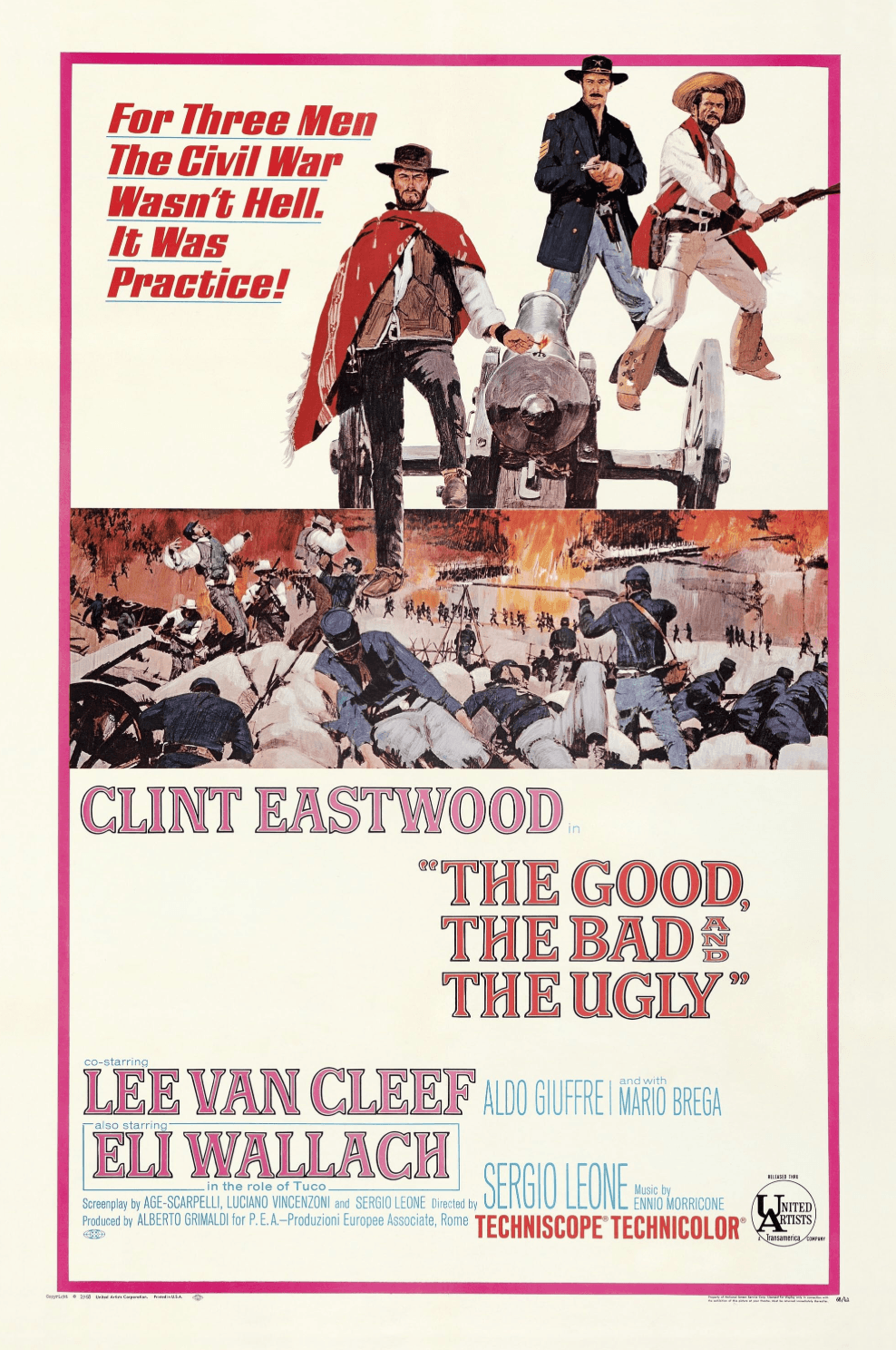
The Good, the Bad and the Ugly is a western film directed by Sergio Leone, set against the backdrop of the American Civil War. The film employs a narrative structure built on competition and temporary alliances, following three gunfighters who seek to outmaneuver each other’s knowledge and movements in order to reach a buried treasure. The plot intertwines the destruction behind the war’s front lines, the mobility of military units, and the chaotic violence with the personal stakes of the protagonists. The film is regarded as the third installment in Leone’s so-called “Dollar Westerns” series. Its runtime is 161 minutes.
The screenplay was written by Sergio Leone, Luciano Vincenzoni, Agenore Incrocci and Furio Scarpelli, with dialogue by Mickey Knox. The producer is Alberto Grimaldi. The cinematographer is Tonino Delli Colli. The music is composed by Ennio Morricone, with Bruno Nicolai credited as music director. The editors are Eugenio Alabiso and Nino Baragli. The production is situated within an institutional framework consistent with the international distribution networks of its time.
The Good, the Bad and the Ugly film score - Academia Soundtracks
The film opens with three men whose paths intersect as they pursue a buried cache of Confederate gold during the American Civil War. Blondie establishes a cycle of “capture – deliver – rescue” based on the bounty placed on Tuco’s head; when this arrangement breaks down, the two are thrust into direct conflict. The story evolves into a competition over knowledge as the information about the treasure is split among different individuals. The fact that the name of the cemetery and the name of the grave are held by separate people forces the characters into a reluctant alliance. The third figure, Angel Eyes, tracks the treasure through surveillance and violence, thus each of the three protagonists pursues the same goal by radically different means.
The film does not treat the Civil War merely as background; bridges, troop movements, prisoner camps, and battlefields become active locations that directly influence the characters’ routes and decisions. Tuco’s desperate attempts to survive through shifting identities and connections generate a “chase – capture – escape” cycle within the narrative. Blondie’s pragmatic, taciturn and goal-oriented demeanor heightens the fragility of alliances in the story. Angel Eyes’s approach follows a path of threat and coercion to extract information. These three trajectories converge simultaneously at the Sad Hill cemetery, culminating in a three-way duel.
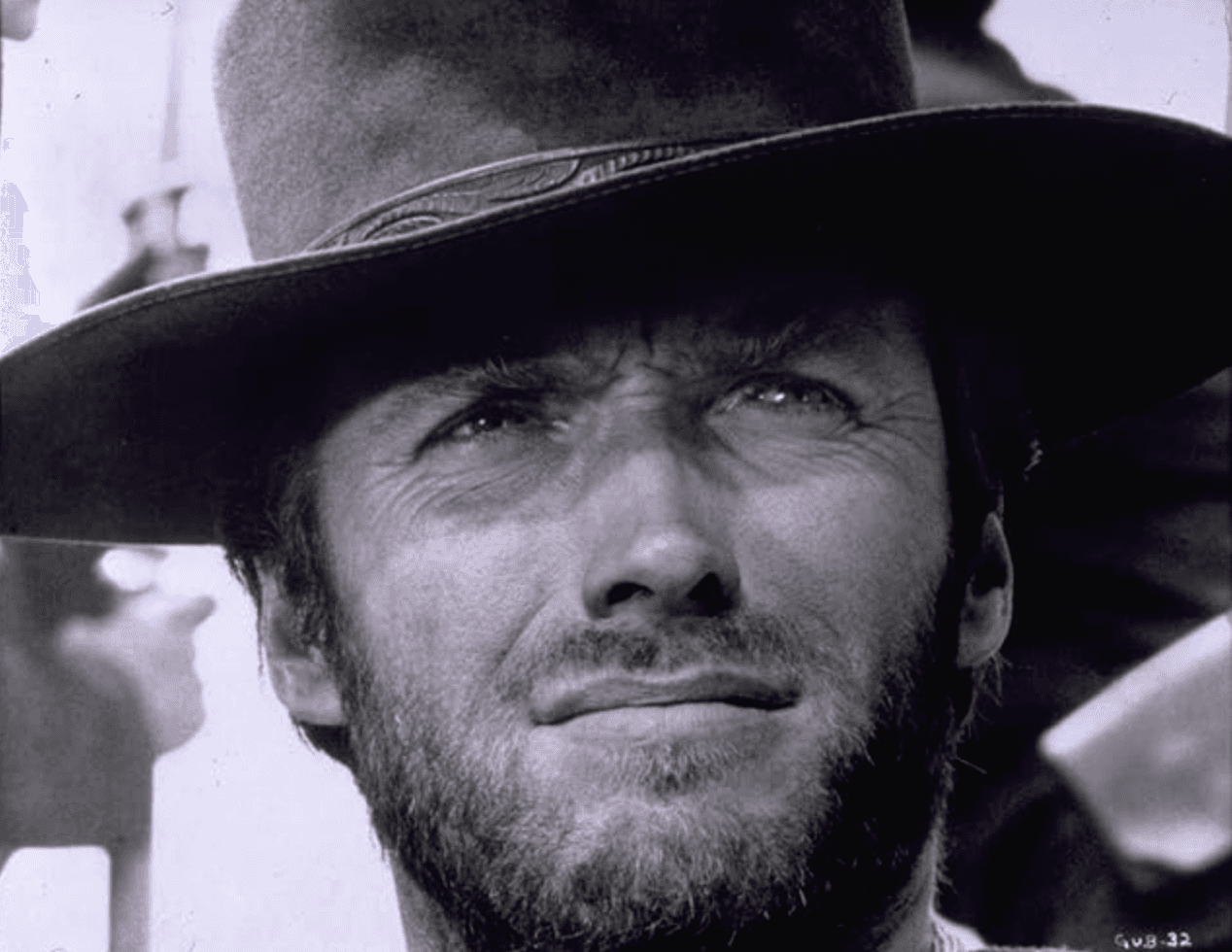
Clint Eastwood as 'The Good' - IMDb
Blondie (Joe) is portrayed by Clint Eastwood. Tuco Benedicto Pacifico Juan Maria Ramirez is portrayed by Eli Wallach. Angel Eyes/Sentenza is portrayed by Lee Van Cleef. Beyond these three central figures, the film expands to include supporting characters who populate the social landscape of the war and border towns. Father Pablo Ramirez appears as a figure connected to Tuco’s past. Military characters such as the Alcoholic Union Captain feature among the secondary roles that ground the Civil War setting. Characters like Maria serve as figures who facilitate spatial and emotional transitions at key moments in the narrative.
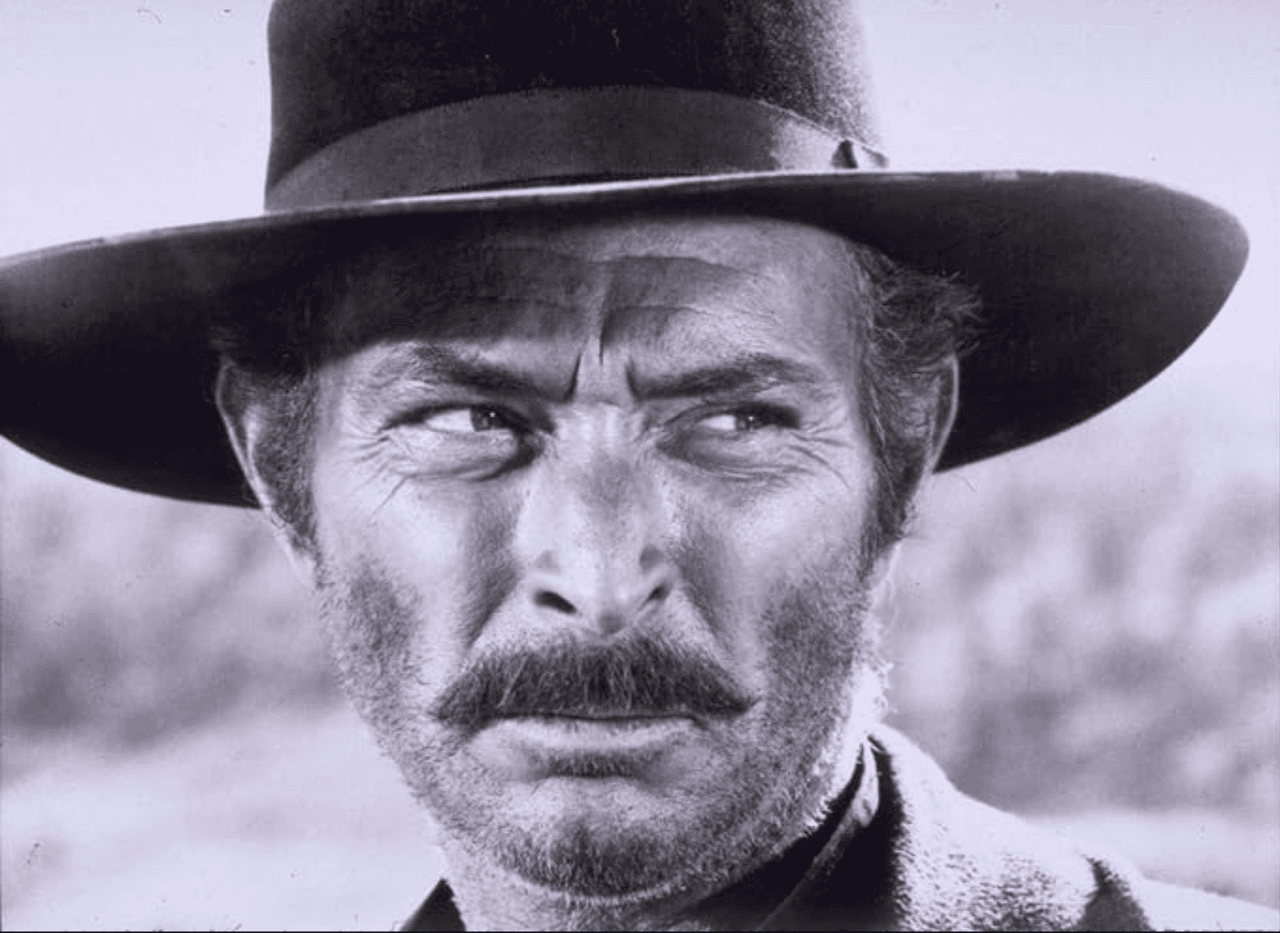
Lee Van Cleef as 'The Bad' - IMDb
Rather than advancing the quest for the treasure along a single linear path, the film constructs a structure based on the fragmentation and reassembly of information. The question of “who knows what” becomes as decisive a field of competition as physical strength. Alliances are formed not as permanent pacts but as fleeting balances of interest. This dynamic keeps the characters constantly engaged in negotiation, traps, counter-moves and temporary cooperation. The Civil War functions in the narrative not merely as a backdrop but as a context that blocks routes, alters resources and intensifies the persistence of violence.
Unlike the classic “find and claim” motif, the treasure narrative generates tension through the necessity of coexistence, forced by the division of knowledge. Tuco’s survival instinct is entangled with greed; Blondie’s calculative pragmatism appears less as an ethical stance than as methodological consistency. Angel Eyes’s pursuit represents a system in which money and power are extracted through violence. The film constructs its vision of how individual interests operate within the disorder of war through shifting landscapes and constantly intersecting trajectories. The final duel functions as a climax in which the trio of “knowledge – power – timing” is tested simultaneously.
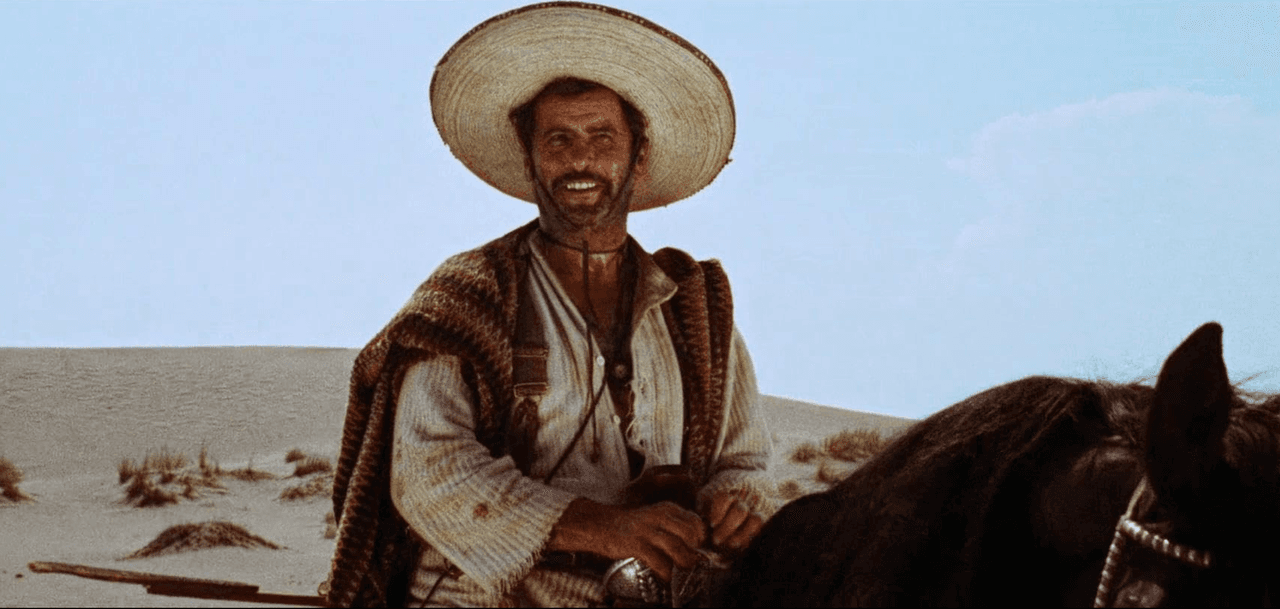
Eli Wallach as 'The Ugly' - IMDb
The film’s visual language unites wide landscape shots with close-ups of faces within the same narrative rhythm. The opening sequence is built on the sudden transition from a vast panorama to an intimate facial close-up. The frame boundary becomes a tool for generating the idea of “seeing and not seeing”; elements unnoticed by the characters are revealed to the viewer as surprises or unexpected encounters. This approach manifests in scenes such as a military camp only becoming visible when the camera moves over it, or a figure emerging from outside the frame within a crowded space. The film uses geographical continuity not as a goal of realism but as a cinematic device to construct tension and confrontation.
Another piece of music by Ennio Morricone for the film - Academia Soundtracks
2008 – Saturn Awards (Nomination): Best DVD Collection
2015 – Satellite Awards (Nomination): Best Overall Blu-ray/DVD
1968 – Golden Laurel (Nomination): Action Performance – Clint Eastwood
2005 – DVDX Awards (Nomination): Best Overall DVD (Classic Film)
2021 – IFMCA Awards (Nomination): Best Archival Release of Existing Music (Reissue or Remaster) – Ennio Morricone (music); Chris Malone (album producer, liner notes); José María Benítez (album producer); Timothy Greiving (liner notes); Nacho B. Govantes (album art direction)
2021 – OFTA Film Honors List (Winner): Music (Score) – Ennio Morricone
2016 – OFTA Film Honors List (Winner)
"İyi, Kötü ve Çirkin" (The Good, the Bad and the Ugly). Directed by Sergio Leone. 1966. Produzioni Europee Associate (PEA).
Accessed November 26, 2025. https://www.aa.com.tr/tr/kultur/ahlatta-acilan-kurslarla-geleneksel-tas-isciligi-yasatiliyor/3116279.
Accessed November 26, 2025. https://www.aa.com.tr/tr/kultur/ahlatta-acilan-kurslarla-geleneksel-tas-isciligi-yasatiliyor/3116279.
Accessed November 26, 2025. https://www.aa.com.tr/tr/kultur/ahlatta-acilan-kurslarla-geleneksel-tas-isciligi-yasatiliyor/3116279.
IMDb. "The Good, the Bad and the Ugly (1966) Awards." IMDb. Accessed March 3, 2026. https://www.imdb.com/title/tt0060196/awards/?ref_=tt_ov_at_op_awd
IMDb. "The Good, the Bad and the Ugly (1966) Full Cast & Crew." IMDb. Accessed March 3, 2026. https://www.imdb.com/title/tt0060196/fullcredits/?ref_=tt_ov_at_pop_cst
IMDb. "The Good, the Bad and the Ugly (1966) Media Viewer: Image 1." IMDb. Accessed March 3, 2026. https://www.imdb.com/title/tt0060196/mediaviewer/rm825200384/?ref_=ttmi_mi_33_1
IMDb. "The Good, the Bad and the Ugly (1966) Media Viewer: Image 2." IMDb. Accessed March 3, 2026.
IMDb. "The Good, the Bad and the Ugly (1966) Media Viewer: Image 3." IMDb. Accessed March 3, 2026.
IMDb. "The Good, the Bad and the Ugly (1966) Media Viewer: Image 4." IMDb. Accessed March 6, 2026.
IMDb. "The Good, the Bad and the Ugly (1966) Plot Summary." IMDb. Accessed March 3, 2026. https://www.imdb.com/title/tt0060196/plotsummary/?ref_=tt_ov_at_pl_pl
IMDb. "The Good, the Bad and the Ugly (1966)." IMDb. Accessed March 3, 2026. https://www.imdb.com/title/tt0060196/
IMDb. “The Good, the Bad and the Ugly (1966) Company Credits.” IMDb. Accessed March 3, 2026. https://www.imdb.com/title/tt0060196/companycredits/?ref_=tt_ov_at_dt_cmpy
IMDb. “The Good, the Bad and the Ugly (1966) Release Info.” IMDb. Accessed March 3, 2026. https://www.imdb.com/title/tt0060196/releaseinfo/?ref_=tt_ov_at_dt_rdat
Rogerebert.com. "Opening Shots: The Good, the Bad and the Ugly." RogerEbert.com. Accessed March 6, 2026.
Rogerebert.com. "The Good, the Bad and the Ugly (1968) Review." RogerEbert.com. Accessed March 6, 2026.
Rotten Tomatoes. “The Good, the Bad and the Ugly.” Accessed March 3, 2026. https://www.rottentomatoes.com/m/the_good_the_bad_and_the_ugly
https://www.imdb.com/title/tt0060196/mediaviewer/rm187666176/?ref_=ttmi_mi_39_3
https://www.imdb.com/title/tt0060196/mediaviewer/rm4192449282/?ref_=ttmi_mi_63_1

Music(s) | Ennio Morricone | ||||||||
|---|---|---|---|---|---|---|---|---|---|
Director(s) | Sergio Leone | ||||||||
Genre | Spaghetti Western | ||||||||
Screenplay(s) | Furio Scarpelli Agenore Incrocci Luciano Vincenzoni Sergio Leone | ||||||||
Original Name(s) | Il buono il cattivo il brutto | ||||||||
Duration | 2 hours 41 minutes | ||||||||
Main Actors / Characters | Clint Eastwood (Blondie), Eli Wallach (Tuco), Lee Van Cleef (Angel Eyes/Sentenza) | ||||||||
English Name | The Good, the Bad and the Ugly | ||||||||
No Discussion Added Yet
Start discussion for "Good, Bad and Ugly (Film)" article
Plot Summary
Characters and Cast
Narrative Structure and Themes
Visual Language and Cinematography
Awards and Nominations