

This article was automatically translated from the original Turkish version.
+1 More
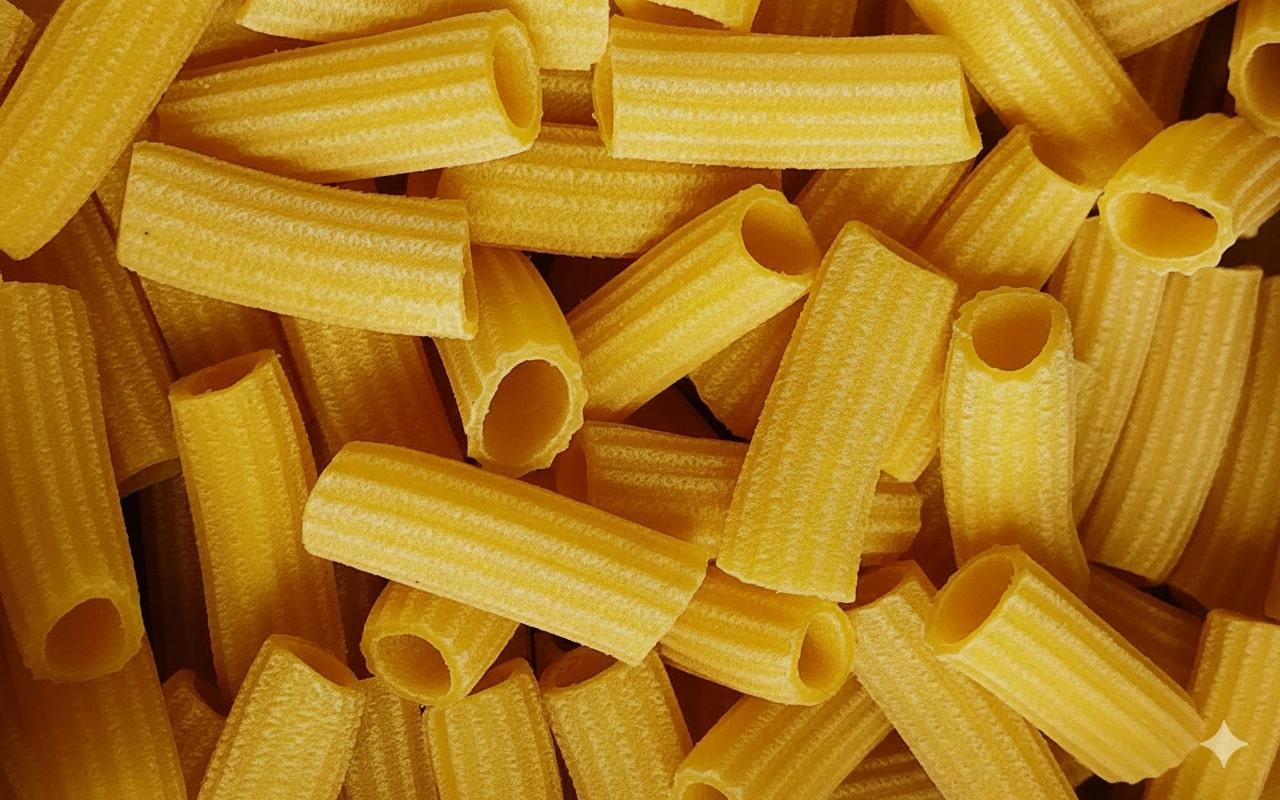
Gragnano Makarnası (Yapay Zeka ile Oluşturulmuştur.)
Gragnano pasta (official name: Pasta di Gragnano) is a traditional pasta variety produced entirely within the municipal boundaries of Gragnano, a town in the province of Naples, using traditional methods. This pasta is made by mixing durum wheat semolina with water sourced from local springs.
The history of Gragnano pasta is characterized by a tradition of durum wheat pasta production dating back to the 16th century. The product’s reputation reached its peak in the mid-19th century when King Ferdinand II visited Gragnano’s pasta factories in 1845, tasted the pasta, and declared: “The true food, like the true people of Gragnano.”【1】 During the period of Italian unification, approximately 100 producers operated in Gragnano, and 70 percent of the active population worked in this sector. The importance of pasta production was reflected in the mid-1800s urban planning, where street widths and building heights were designed to facilitate air circulation for the natural drying of pasta outdoors. Even after the widespread adoption of Teflon dies, the use of bronze dies has been maintained as part of traditional production. The rough surface created by bronze dies enhances the pasta’s ability to hold sauce when cooked and intensifies the aromatic flavor of the wheat. Additionally, the water used in production comes from a spring in the nearby Lattari Mountains; this water was historically used both for dough preparation and for powering wheat mills. This historical connection is further evidenced by the “Valley of the Gragnano Mills.”
About Pasta di Gragnano (Olico - MoreToTrade Srl)
The production of Gragnano pasta consists of traditional steps that impart its distinctive qualities.
When marketed, Gragnano pasta must exhibit the following characteristics:
MASAF – Ministero delle Politiche Agricole Alimentari e Forestali. “Pasta di Gragnano.” MASAF. Accessed October 21, 2025. https://www.masaf.gov.it/flex/cm/pages/ServeAttachment.php/L/IT/D/1%252F5%252Fe%252FD.41337171941ae904c576/P/BLOB%3AID%3D3348/E/pdf?mode=download
Olico - MoreToTrade Srl. "La Fabbrica della Pasta di Gragnano - Olico.it." YouTube. Accessed October 21, 2025. https://www.youtube.com/watch?v=fhii1VUSjVs
[1]
MASAF – Ministero delle Politiche Agricole Alimentari e Forestali. “Pasta di Gragnano,” MASAF, sayfa 5, erişim tarihi 21 Ekim 2025, https://www.masaf.gov.it/flex/cm/pages/ServeAttachment.php/L/IT/D/1%252F5%252Fe%252FD.41337171941ae904c576/P/BLOB%3AID%3D3348/E/pdf?mode=download

Gragnano Makarnası (Yapay Zeka ile Oluşturulmuştur.)
Historical Context
Production Method
Product Characteristics