


This article was automatically translated from the original Turkish version.
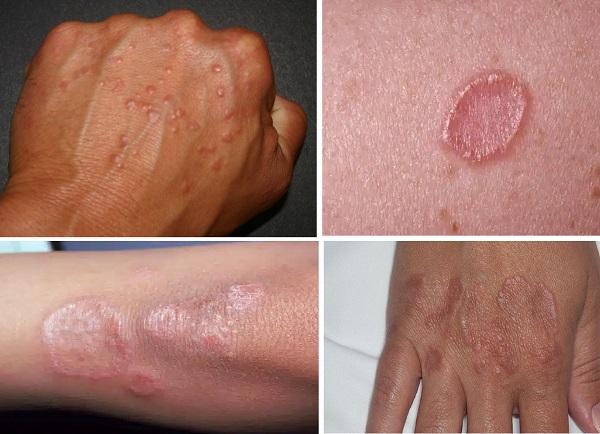
Granulomatous disorders of the skin and subcutaneous tissue are a group of diseases characterized by chronic inflammatory processes and the formation of granulomas. Granulomas are histological structures defined by the transformation of macrophages into epithelioid cells and the formation of multinucleated work cells. These disorders may arise due to infectious causes (infectious (tuberculosis, leprosy)) or noninfectious causes (sarcoidosis, granuloma annulare). Clinically, granulomatous disorders of the skin and subcutaneous tissue manifest as various skin lesions (nodules, plaques, ulcers) and are typically diagnosed through clinical findings, histopathological examination, and laboratory tests.
Granulomatous disorders of the skin and subcutaneous tissue have a prevalence that varies by age, sex and geographic region. For example, sarcoidosis is more common in young and middle-aged adults, whereas granuloma annulare is more prevalent in children and young adults. These disorders can be classified into two main main groups: infectious and noninfectious granulomatous diseases:
Granuloma formation is an immune response to chronic antigenic stimulation. Macrophages phagocytose antigens and transform into epithelioid cells, which then fuse to form multinucleated giant cells. The center of granulomas may contain necrotic tissue (caseating necrosis) or non-necrotic inflammatory cells. In infectious granulomas, pathogens (mycobacteria, fungi) are typically identified within the granuloma center. In noninfectious granulomas, the underlying issue is an abnormal immune response directed against self-tissues word.
Granulomatous disorders of the skin and subcutaneous tissue present clinically with a variety of skin lesions. The type and distribution of lesions vary depending on the underlying disease. Common clinical features include:
The diagnosis of granulomatous disorders of the skin and subcutaneous tissue is based on clinical findings, histopathological examination, and laboratory tests. Skin biopsy is the gold standard for confirming the presence of granulomas. Histopathological examination reveals epithelioid cells, giant cells, and necrotic or non-necrotic centers. Microbiological cultures and PCR tests may be used to exclude infectious causes. In the diagnosis of systemic sarcoidosis like, additional tests such as chest radiography, serum angiotensin-converting enzyme enzyme (ACE) levels, and chest CT may be required lung.
Treatment depends on the underlying disease and the severity of clinical manifestations. For infectious granulomatous disorders, antimicrobial therapy (antituberculous drugs, antifungal agents) is the primary approach. For noninfectious granulomatous disorders, immunomodulatory and anti-inflammatory therapies are used. Common treatment options include:

No Discussion Added Yet
Start discussion for "Granulomatous Disorders of the Skin and Subcutaneous Tissue" article
Granulomatous Disorders of the Skin and Subcutaneous Tissue
Epidemiology and Classification
Infectious Granulomatous Diseases:
Noninfectious Granulomatous Diseases:
Pathophysiology
Clinical Features
Example Diseases and Clinical Features:
Diagnosis
Treatment