


This article was automatically translated from the original Turkish version.
+1 More

Green Tea
Regions of Production | Japan China Taiwan South Korea Vietnam Sri Lanka India | ||||||||
|---|---|---|---|---|---|---|---|---|---|
Origin(s) | China and India | ||||||||
Green tea is a type of tea made from the leaves of the Camellia sinensis plant without undergoing oxidation. Unlike black tea, it is not fermented, which allows antioxidants and other bioactive compounds to be preserved in higher concentrations. Traditionally consumed in Asia cultures as common, green tea has over time spread to different regions of the world and is now consumed in various forms.
The origins of green tea trace back to China and are believed to extend as far back as 2737 BCE. According to Chinese legends, green tea was accidentally discovered by Emperor Shen Nong. Initially served to the upper classes of only, this beverage gradually became popular across people. By the 14th century, green tea became accessible to a broader population, and by the 8th century, it reached Japan through Zen Buddhist monks.
In Japan, green tea was integrated into tea ceremonies, evolving into a spiritual and aesthetic practice. The traditional tea ceremony known as "Cha-no-yu," developed by tea masters, became an integral part of Japanese culture. Over time, green tea also gained popularity in Korea and India such as, and today it is widely consumed around the world.
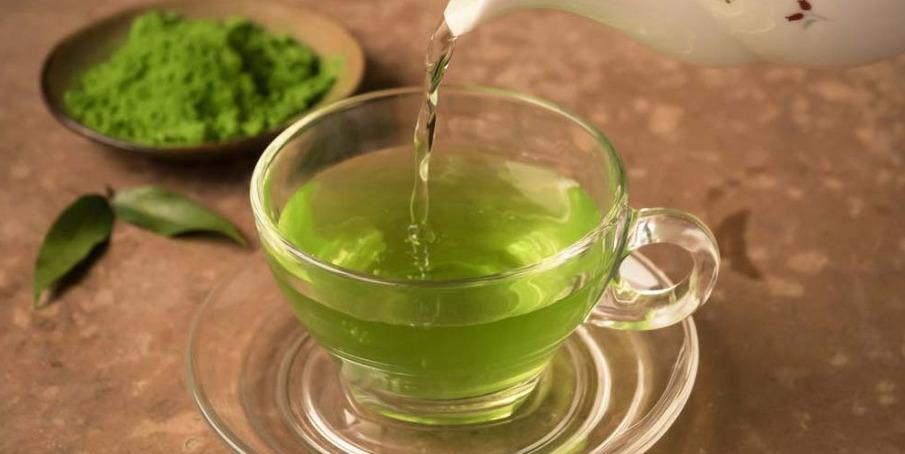
Green tea is produced through a specialized processing method that prevents the oxidation of fresh leaves. The key steps are as follows:
Green tea is used not only as a beverage but also in various other fields:
Green tea is a rich source of antioxidants and polyphenols. Scientific research has identified the following health benefits of green tea:
Green tea is a beverage with antioxidant and anti-inflammatory properties due to its polyphenols and flavonoids. In particular, the compound epigallocatechin gallate (EGCG) plays a protective role against chronic diseases such as cancer, cardiovascular diseases, diabetes and obesity by reducing oxidative stress caused by free radicals. Studies have shown that green tea consumption reduces LDL cholesterol levels and lowers the risk of heart diseases. In addition, the caffeine and L-theanine components in green tea have been reported to enhance cognitive functions and improve mental performance.
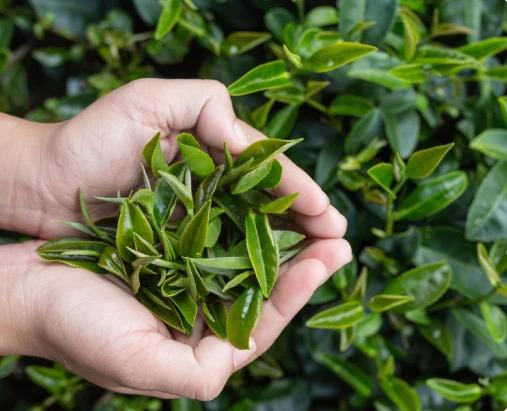
Green tea is a rich botanical source of phenolic compounds, flavonoids, alkaloids, vitamins, and minerals. Its most important bioactive components are polyphenols, particularly catechins. Among catechins, EGCG is the most prominent and is known for its antioxidant and anticancer properties. In addition, the caffeine present in green tea supports thermogenesis by accelerating body metabolism. Furthermore, the amino acid L-theanine promotes relaxation by reducing stress levels. The synergistic effect of these compounds contributes to green tea being regarded as a functional beverage.
Studies on the pharmacokinetics and pharmacodynamics of green tea’s bioactive components have revealed its multifaceted effects on bodily functions. The absorption rate of catechins from the gastrointestinal tract is low, and their bioavailability is regulated by gut microbiota. It has been observed that EGCG can cross the blood-brain barrier and exert neuroprotective effects, slowing the progression of neurodegenerative diseases such as Alzheimer’s. Additionally, green tea polyphenols have been reported to positively influence insulin resistance and improve glucose metabolism.
Although green tea is generally considered a healthy beverage, excessive consumption may lead to adverse effects. High doses of EGCG, in particular, can cause hepatotoxicity and negatively affect liver enzyme levels. Due to its caffeine content, overconsumption may also cause symptoms such as insomnia, irritability, and palpitations. Individuals at risk of anemia are advised to exercise caution when consuming green tea due to its ability to reduce iron absorption.
Moreover, excessive consumption of green tea during pregnancy and lactation may have fetotoxic effects. Therefore, although green tea contains beneficial bioactive compounds, regular and controlled consumption importance is recommended.
Cabrera, Carmen, Rafael Artacho, and Rosario Gimenez. "Beneficial Effects of Green Tea—A Review." *Journal of the American College of Nutrition* 25, no. 2 (2006): 79–99. https://pubmed.ncbi.nlm.nih.gov/16582024/.
Cartwright, Mark, and Ramazan Macit. "Japon Yeşil Çayının Tarihi." World History Encyclopedia. Accessed March 12, 2025. https://www.worldhistory.org/trans/tr/2-2369/japon-yesil-cayinin-tarihi/.
Davey, Thomas. "Green Tea & Weight Loss." World Tea Directory. Accessed March 12, 2025. https://worldteadirectory.com/green-tea-weight-loss/.
Farhan, Muhammad. "Potential Health Benefits of Green Tea Polyphenols." *Journal of Functional Foods* 92 (2022): 105043. https://pubmed.ncbi.nlm.nih.gov/36142616/.
Prasanth, M. I., B. S. Sivamaruthi, Çayyasut Ç., and T. Tencomnao. "Green Tea and Its Role in Modulating Gut Microbiota." *Phytotherapy Research* 33, no. 4 (2019): 791–805. https://pubmed.ncbi.nlm.nih.gov/30813433/.
Zhao, Tianyu, Chen Li, Shanshan Wang, and Xiaoyu Song. "Green Tea Polyphenols and Their Therapeutic Potential in Neurodegenerative Diseases." *Frontiers in Aging Neuroscience* 14 (2022): 923018. https://pubmed.ncbi.nlm.nih.gov/35745040/.

Green Tea
Regions of Production | Japan China Taiwan South Korea Vietnam Sri Lanka India | ||||||||
|---|---|---|---|---|---|---|---|---|---|
Origin(s) | China and India | ||||||||
History
Production and Processing
Applications
Benefits
Phytochemical Composition
Pharmacological Effects
Toxicology