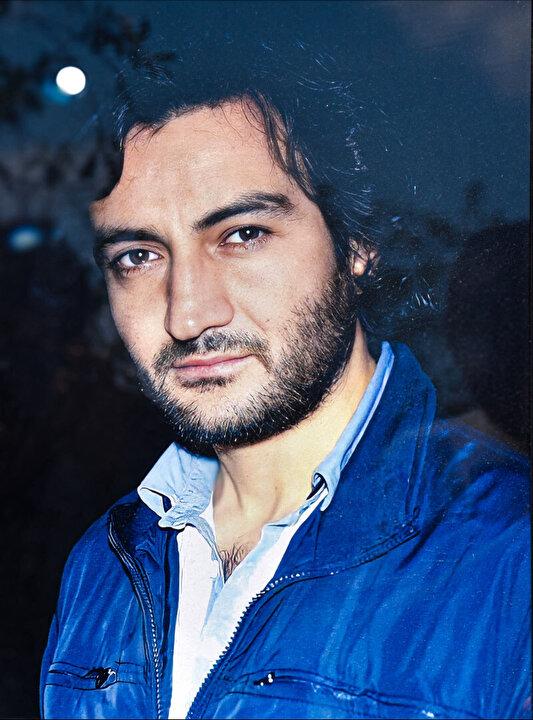
Doğum tarihi | 1980-01-01 | ||||||||
|---|---|---|---|---|---|---|---|---|---|
Eş | Ayşe Kantarcı | ||||||||
Place of Birth | Sivas | ||||||||
Babası | Ali Kantarcı | ||||||||
Annesi | Fadime Kantarcı | ||||||||
Yaş | 36 | ||||||||
Ölüm tarihi | 2016-07-15 | ||||||||
Place of Martyrdom | 15 Temmuz Şehitler Köprüsü | ||||||||
Çocuk | Ömer Tarık (at 9 months) Zeynep Serra (at age 2.5) Ali Cihad (at age 9) | ||||||||
Halil Kantarcı, born on 1 January 1980 in Sivas, was a figure who became centrally involved in political and social events at a young age. During the 28 February process, he faced trials and spent many years in detention. Although he was eventually acquitted, he was later sentenced to imprisonment again in subsequent years. Kantarcı, who dedicated his life to his family, business, and charitable activities, lost his life while resisting the coup attempt on 15 July 2016. His name has since been commemorated in numerous educational institutions, parks, and charitable projects.
Halil Kantarcı, born on 1 January 1980 in Sivas, was known in his youth as a religious, compassionate, and socially engaged individual. At the age of just 16, during the 28 February process, he was detained on charges including membership in the National Youth Foundation, attacks on taverns, and threats. He was tried before the State Security Court with a demand for the death penalty, subjected to severe torture, and held in prison for an extended period.
Although he was ultimately acquitted at the end of the judicial process, in later years he was once again targeted by judges and prosecutors linked to FETÖ. This time, he received a 10-year prison sentence. After regaining his freedom, he married, became the father of three children, and devoted his life to his family, his business, and helping orphans.
On the evening of 15 July 2016, Halil Kantarcı learned of the coup attempt through television broadcasts. He soon heard the news that the Çengelköy Police Station had been raided by coup plotters. Despite his wife Ayşe Kantarcı trying to stop him, he left home saying, “If something is going to happen to me, it could happen at home too. Forgive me my rights.” He kissed his three children and said, “I entrust them to the ummah,” before setting out to join the resistance. In Çengelköy, he was seriously wounded during an attack by coup soldiers on civilians. Taken to the hospital by ambulance, Kantarcı succumbed to his injuries despite all medical efforts and became one of the martyrs of 15 July.

Halil Kantarcı’s House (DHA)
Halil Kantarcı’s funeral was followed by a large funeral prayer held at Fatih Camii and he was buried in Çengelköy Cemetery. His name has been given to a preschool in Üsküdar, Istanbul; an Anatolian Imam Hatip High School in Kemalpaşa, İzmir; and a park in the Zara district of Sivas. Additionally, his name was bestowed upon an orphanage built in Sri Lanka through the collaboration of nine civil society organizations, extending his spirit of service and compassion to an international level. His life, marked by his resistance against the injustices he endured in youth and by the courage he displayed on the night of 15 July, remains etched in collective memory.

Halil Kantarcı’s Parents at Şehit Halil Kantarcı Park (AA)
Even years after his martyrdom, his family continues to remember him with love and pride. His father, Ali Kantarcı, and his mother, Fadime Kantarcı, keep his memory alive at the places bearing his name. The Halil Kantarcı Park, built in Canova Village, affiliated with the Zara district of Sivas, has become a place of remembrance for both the local community and his family. The family considers it their duty to pass on his story of justice, courage, and faith to new generations. Additionally, Halil Kantarcı’s youngest son, Ömer Tarık Kantarcı, became a national top scorer in the Higher Education Institutions Examination (YKS) in 2023, bringing great pride to his family.
15 July National Will and Democracy Martyrs Memorial and Museum, “Halil Kantarcı Biography,” 15 July Martyrs Memorial and Museum, Accessed August 11, 2025, https://15temmuz.gov.tr/kahraman/halil-kantarci/biyografi.
Anadolu Ajansı. “15 Temmuz Şehidi Halil Kantarcı’nın Ailesinin Acısı İlk Gün Gibi Taze.” Anadolu Ajansı, July 15, 2017. Accessed August 11, 2025. https://www.aa.com.tr/tr/15-temmuz-darbe-girisimi/15-temmuz-sehidi-halil-kantarcinin-ailesinin-acisi-ilk-gun-gibi-taze/3627987.
GZT. "9 Maddede Halil Kantarcı’nın Hikayesi Ne?." Accessed August 11, 2025. https://www.gzt.com/infografik/tvnet/9-maddede-halil-kantarcinin-hikayesi-ne-11411/4.
Ministry of Culture and Tourism Memory 15 July, "Halil Kantarcı," Accessed August 11, 2025, https://hafiza15temmuz.ktb.gov.tr/80-halil-kantarci.
Yeni Şafak. "15 Temmuz Şehidi Halil Kantarcı’nın Oğlu YKS’de Derece Yaptı." Yeni Şafak, 2023. Accessed August 11, 2025. https://www.yenisafak.com/gundem/15-temmuz-sehidi-halil-kantarcinin-oglu-yksde-derece-yapti-4731023.
Yeni Şafak. "Halil Kantarcı Kişi Detay." Accessed August 11, 2025. https://www.yenisafak.com/15temmuz/halil-kantarci-kisi-detay.

Doğum tarihi | 1980-01-01 | ||||||||
|---|---|---|---|---|---|---|---|---|---|
Eş | Ayşe Kantarcı | ||||||||
Place of Birth | Sivas | ||||||||
Babası | Ali Kantarcı | ||||||||
Annesi | Fadime Kantarcı | ||||||||
Yaş | 36 | ||||||||
Ölüm tarihi | 2016-07-15 | ||||||||
Place of Martyrdom | 15 Temmuz Şehitler Köprüsü | ||||||||
Çocuk | Ömer Tarık (at 9 months) Zeynep Serra (at age 2.5) Ali Cihad (at age 9) | ||||||||
Early Life and Legal Struggles
15 July 2016 and Martyrdom
Commemoration and Legacy
The Family’s Grief