

This article was automatically translated from the original Turkish version.
+2 More
Location | Hasankeyf Türkiye Batman | ||||||||
|---|---|---|---|---|---|---|---|---|---|
Construction Date(s) | 4th century AD | ||||||||
Construction Type | Defensive structure (castle) | ||||||||
Periods of Use | Byzantine, Arab, Hamdanid, Marwanid, Artuqid, Ayyubid, Ottoman | ||||||||
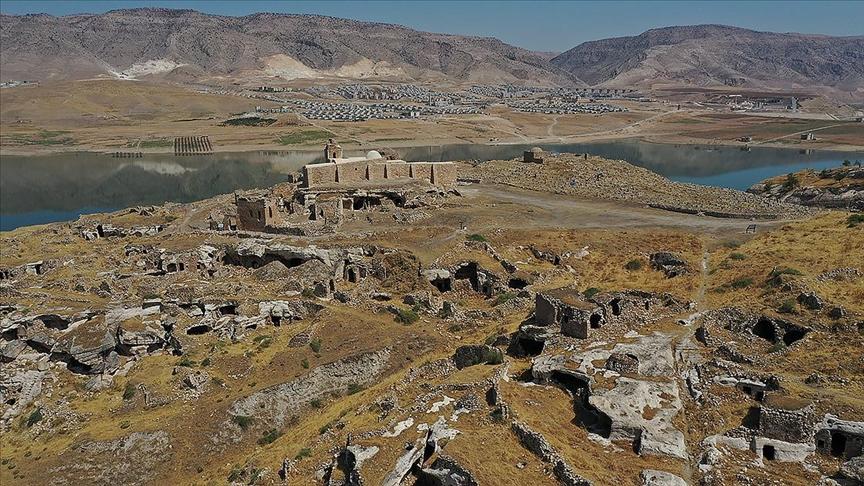
Hasankeyf Castle is a historical defensive structure located in a strategic position overlooking the Tigris River within the boundaries of Batman Province, Türkiye. Built atop steep cliffs facing the river, the castle has been used by numerous civilizations over different periods and enriched through successive architectural additions. Situated along important trade routes connecting Asia with Mesopotamia, Hasankeyf has held significant military, political, and economic importance throughout history.
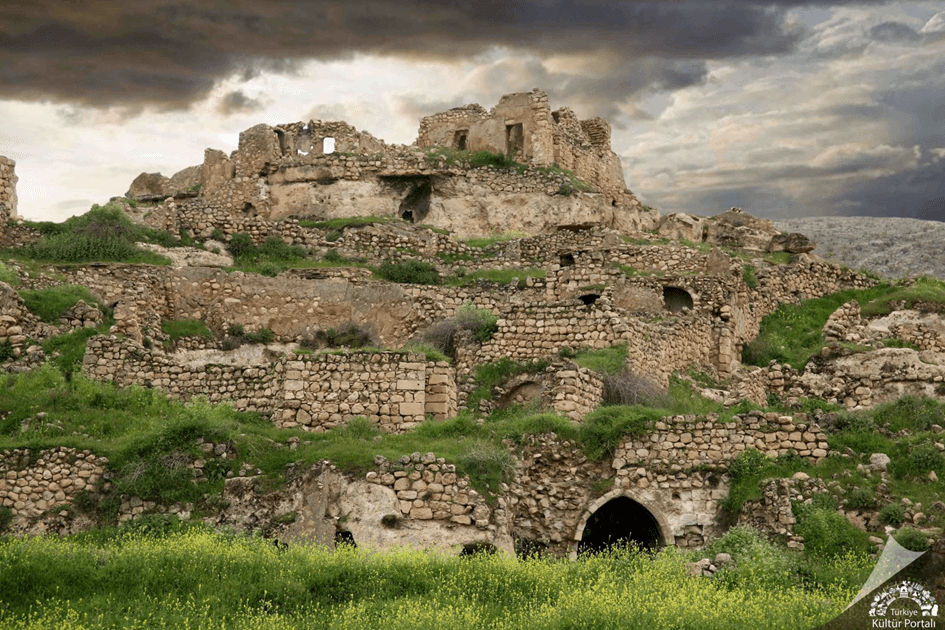
Hasankeyf Castle (Culture Portal)
The history of Hasankeyf Castle extends as far back as the 4th century CE. During the Byzantine period, its strategic location led to its use as a border garrison. From the 7th century onward, following Arab dominance in the region, it evolved into a major settlement. In the 10th century, it was successively occupied by the Hamdanids, Marwanids, Artuqids, Ayyubids, and finally the Ottomans, each adding to its structures. Particularly during the Artuqid and Ayyubid periods, architectural elements such as palaces, mosques, water cisterns, and defensive fortifications were constructed within the castle.
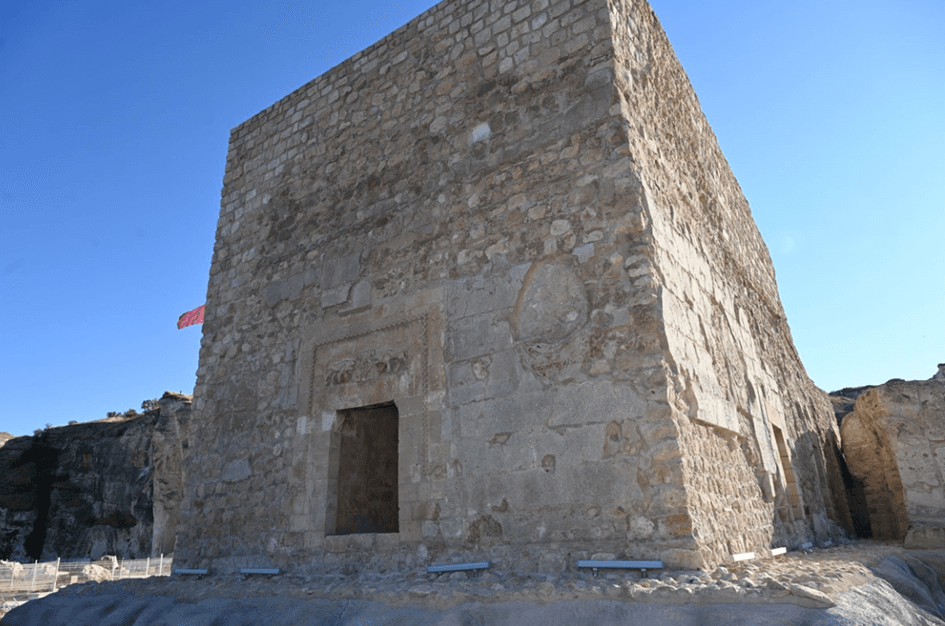
Hasankeyf Castle (Republic of Türkiye Batman Governorship)
Hasankeyf Castle is built directly onto natural rocky terrain and incorporates both natural and artificial defensive elements. Access to the castle is via a steep slope beginning from the northeast. Much of the outer curtain wall has not survived to the present day; however, remains of structures within the inner citadel are still visible. The inner citadel contains water cisterns, rock-carved shelters, and various chambers. The Ayyubid-period palace within the inner citadel is among the most architecturally notable structures.
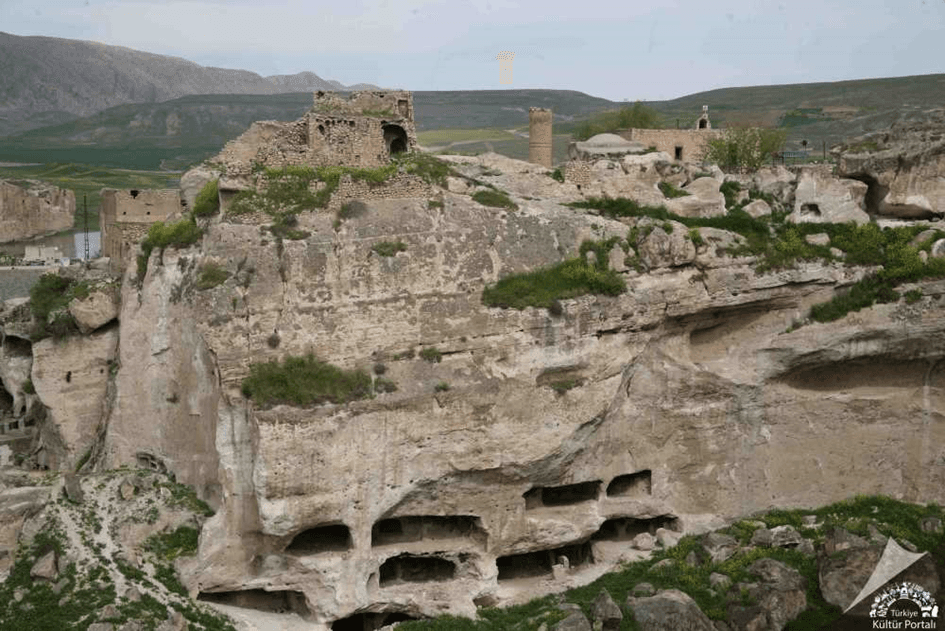
Hasankeyf Castle (Culture Portal)
Since the late 20th century, Hasankeyf Castle has been documented and restoration initiatives have been planned as part of increasing archaeological and conservation efforts. However, the most comprehensive interventions occurred within the framework of rescue excavations and documentation activities prompted by the Ilısu Dam project. As parts of the castle and surrounding historical structures were destined to be submerged by the dam reservoir, efforts were undertaken to relocate movable artifacts to a new settlement and to document the castle’s existing condition.
Anadolu Ajansı. "Hasankeyf Kalesi Yeniden Turizme Açıldı." Accessed August 16, 2025.
Anadolu Ajansı. "Hasankeyf Kalesi'ndeki Arkeolojik Kazı Tarihe Işık Tutacak." Accessed August 16, 2025.
T.C. Batman Valiliği. “Turizme Hazırlanan Hasankeyf Kalesi’nde Çalışmalar Tüm Hızıyla Devam Ediyor.” Accessed August 16, 2025. http://batman.gov.tr/turizme-hazirlanan-hasankeyf-kalesinde-calismalar-tum-hiziyla-devam-ediyor.
T.C. Presidency of Communication. "Hasankeyf Castle Is Being Prepared for Tourism." T.C. Presidency of Communication. Accessed August 16, 2025. https://www.iletisim.gov.tr/turkce/yerel_basin/detay/hasankeyf-kalesi-turizme-hazirlaniyor.

Location | Hasankeyf Türkiye Batman | ||||||||
|---|---|---|---|---|---|---|---|---|---|
Construction Date(s) | 4th century AD | ||||||||
Construction Type | Defensive structure (castle) | ||||||||
Periods of Use | Byzantine, Arab, Hamdanid, Marwanid, Artuqid, Ayyubid, Ottoman | ||||||||
History
Architectural Features
Restoration Efforts