


+1 More

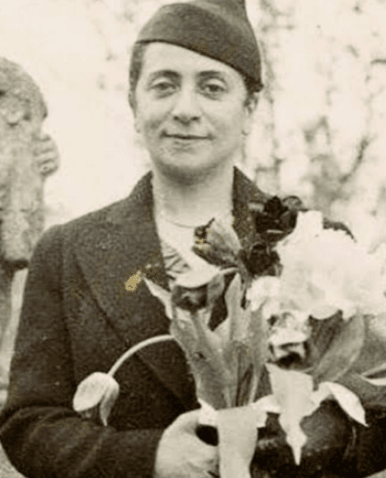
Hatice Safiye Ali
Doğum tarihi | 1894-02-02 | ||||||||
|---|---|---|---|---|---|---|---|---|---|
Place of Birth | Istanbul, Ottoman State | ||||||||
Ölüm tarihi | 1952-07-05 | ||||||||
Place of Death | Dortmund, Germany | ||||||||
Profession(s) | Educator Physician | ||||||||
Field of Specialization | Child Health Gynecology and Obstetrics | ||||||||
Education | Germany (Ph.D.: 1921) Julius-Maximilians University of Würzburg Faculty of Medicine American College for Girls (Graduation: 1916) | ||||||||
Titles and Firsts | the first female faculty member to provide medical education in Türkiye The first Turkish female physician of the Republic of Türkiye | ||||||||
Institutions Worked at | Süt Damlası Nursing Home Hilal-i Ahmer Women's Center American College for Girls Medical Department (Instructor) Cağaloğlu Examination Clinic | ||||||||
International Conferences Participated In | Vienna and Bologna Medical and women's health congresses held in London | ||||||||
Social Contributions | active struggle for women's right to vote and health Chairmanship of the Health Commission of the Turkish Women's Union | ||||||||
Place of Burial | Her grave was identified in Dortmund in 2021 | ||||||||
Hatice Safiye Ali was born on 2 February 1894 in Istanbul. Her father was Ali Kırat Pasha, an aide to Sultan Abdülaziz and Sultan Abdülhamid II, and her mother was Emine Hasene Hanım, daughter of Şamlı Hacı Emin Pasha, who served as sheikh of the harem in Mecca for 17 years. Safiye Ali, the youngest of four sisters, belonged to a family known for holding various state offices during the Ottoman period and enjoying considerable social prestige.
Safiye Ali began her primary education at Beşiktaş Rüştiyesi and later transferred to the American Girls’ College (İnas Amerikan Mektebi), where she completed her studies and graduated in 1916. Influenced by her education at the college and by its principal, Mary Mills Patrick, she decided to become a medical doctor.
At the time, it was not possible for women in Türkiye to receive medical education. With the support of Minister of Education Şükrü Bey, she was sent to the Faculty of Medicine at Julius-Maximilians University in Würzburg, Germany. In 1921, she earned her medical degree with a thesis titled “Über Pachymeningitis Haemorrhagica Interna im Sauglingsalter.” She returned to Germany to specialize in gynecology and pediatrics, during which time she married Ferdinand Krekeler, a specialist in eye diseases, who later adopted the name Ferdi Ali after converting to Islam.
In 1923, Safiye Ali returned to Türkiye and obtained the necessary license to practice medicine after the proclamation of the Republic. She subsequently opened a clinic in Istanbul’s Cağaloğlu district together with her husband. At the beginning of her career, she encountered prejudice due to being a female physician; initially, patients either refused to come or offered low fees. Despite all these challenges, she persisted in her profession and gradually earned the trust of her patients.
Safiye Ali taught gynecology and obstetrics at the Medical Department established within the American Girls’ College. In this capacity, she became the first female faculty member to provide medical education in Türkiye. She held this position until 1924, when she left following the closure of the school.
Safiye Ali began working at the Hilal-i Ahmer Women’s Center in Istanbul, where she served at a newly established children’s clinic. There, she provided education to mothers on child health and care, and monitored children’s development through weekly examinations. Simultaneously, social investigations were conducted to provide food, medicine, and clothing assistance to families in need.
In 1925, she assumed leadership of the Süt Damlası Children’s Clinic, transferred to the Himaye-i Etfal Society, which aimed to ensure healthy nutrition for children. At this institution, mothers were educated on the importance of breastfeeding, and health services were provided to children who lacked access to sterile milk. Additionally, she established the Hilal-i Ahmer Ladies’ Center Children’s Clinic for children over one year of age, taking responsibility for their treatment and care.
Beyond her professional work, Safiye Ali was actively involved in social issues. She served as chair of the Health Commission of the Turkish Women’s Union, focusing particularly on women’s health and the fight against prostitution. In 1928, she represented Türkiye at the International Congress of Women Doctors held in Bologna, and published her observations from the congress in the journal Servet-i Fünun.
In later years, after being diagnosed with cancer, Safiye Ali moved to Germany for treatment. During World War II, she continued practicing medicine as long as her health permitted. She died on 5 July 1952 in Dortmund, Germany. Having no children, her burial place remained unknown for a long time until research conducted in 2021, with the assistance of the Dortmund Municipality, identified her grave.
Hatice Safiye Ali was a pioneering figure who paved the way for women to enter the medical profession in Türkiye. She developed institutional services for women’s and children’s health, engaged in social welfare activities, and held leadership roles in various organizations advocating for women’s participation in social and political life. She represented the presence of women in medical education and contributed significantly to the transformation of the early Republican period.
Antalya Kadın Müzesi. “İlk Kadın Doktor Safiye Ali Kimdir?” Antalya Kadın Müzesi. Accessed May 18, 2025. http://www.antalyakadinmuzesi.org/ilk-kadin-doktor-safiye-ali-kimdir.
Konya, Didem. “Türkiye’nin İlk Türk Kadın Doktoru: Safiye Ali ve Çalışmaları.” *Sosyal ve Beşeri Bilimler Araştırmaları Dergisi*, Kadın Çalışmaları Özel Sayısı, Volume 19, Issue 42 (2018): 35–54. Accessed May 18, 2025. https://dergipark.org.tr/tr/pub/sobbiad/issue/39183/439545
Sağlık Personeli Haber. "Dr. Safiye Ali'nin Mezarı Almanya'da Bulundu." Accessed May 18, 2025. https://www.saglikpersonelihaber.org/turkiye-nin-ilk-kadin-doktoru-dr-safiye-ali-nin-mezari-almanya-da-bulundu/2091/.
Tokcan, Halil, and Emre Kolyiğit. “Türk Tarihinde Yer Alan Önemli Kadın Şahsiyetler Hakkında Öğrenci Bilgi Düzeyleri.” *Uluslararası Sosyal Bilgilerde Yeni Yaklaşımlar Dergisi* 1 (2017): 31–41. Accessed May 18, 2025. https://dergipark.org.tr/tr/pub/sbyy/issue/34271/376993
Yürür, Gül Kızılca, and Nuran Yıldırım. “Türkiye’nin Kızlar İçin İlk Tıp Okulu: İstanbul (Arnavutköy) Amerikan Kız Koleji Tıp Bölümü.” *Lokman Hekim Tıp Tarihi ve Folklorik Tıp Dergisi* 14, no. 3 (2024): 511–524. Accessed May 18, 2025. https://dergipark.org.tr/tr/pub/mutftd/issue/87360/1477388

Hatice Safiye Ali
Doğum tarihi | 1894-02-02 | ||||||||
|---|---|---|---|---|---|---|---|---|---|
Place of Birth | Istanbul, Ottoman State | ||||||||
Ölüm tarihi | 1952-07-05 | ||||||||
Place of Death | Dortmund, Germany | ||||||||
Profession(s) | Educator Physician | ||||||||
Field of Specialization | Child Health Gynecology and Obstetrics | ||||||||
Education | Germany (Ph.D.: 1921) Julius-Maximilians University of Würzburg Faculty of Medicine American College for Girls (Graduation: 1916) | ||||||||
Titles and Firsts | the first female faculty member to provide medical education in Türkiye The first Turkish female physician of the Republic of Türkiye | ||||||||
Institutions Worked at | Süt Damlası Nursing Home Hilal-i Ahmer Women's Center American College for Girls Medical Department (Instructor) Cağaloğlu Examination Clinic | ||||||||
International Conferences Participated In | Vienna and Bologna Medical and women's health congresses held in London | ||||||||
Social Contributions | active struggle for women's right to vote and health Chairmanship of the Health Commission of the Turkish Women's Union | ||||||||
Place of Burial | Her grave was identified in Dortmund in 2021 | ||||||||
Educational Background and Studies Abroad
Return to Türkiye and Early Professional Practice
Academic Appointment and Educational Activities
Roles at Hilal-i Ahmer and Süt Damlası Children’s Clinic
Social Contributions and Advocacy for Women’s Rights
Settlement in Germany and Death