


This article was automatically translated from the original Turkish version.
+2 More
Hibiscus (Hibiscus sabdariffa L.) is a herbaceous or shrub-like plant belonging to the Malvaceae (mallow) family, native to tropical and subtropical regions. People is known by various names including roselle, pomegranate flower, okra flower, bissap and karkade like. Noted for its showy flowers and bright red colorful calyces, hibiscus is used in the food, medical and cosmetic industries common.
Hibiscus is a plant that can grow up to 3–3.5 meters tall and possesses a pile root root system. Its leaves are 7.5–12.5 cm long, green or reddish in color and feature prominent veins. Leaves are arranged alternately on cylindrical red stems. The flowers are typically rose or chestnut in color and turn pink as they dry. World over 500 species are known within the Hibiscus genus. The two most commercially significant species are Hibiscus sabdariffa L. var. altissima Wester and Hibiscus sabdariffa var. sabdariffa.
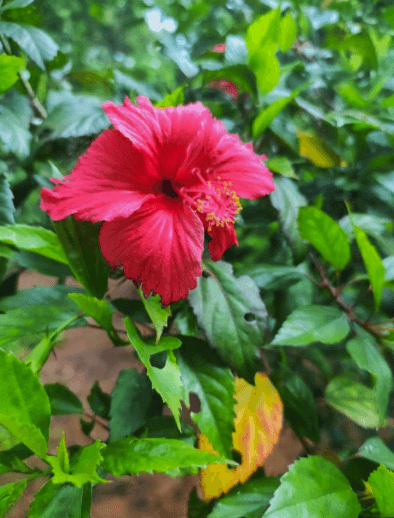
Hibiscus (Hibiscus sabdariffa L.) INRAJ
Hibiscus is a plant that prefers warm and humid climatic conditions. It has a wide cultivation area in tropical and subtropical regions, particularly in Africa, the Americas, southern Asia and central East. It is commercially cultivated especially in Sudan, Nigeria, Mexico, India and Thailand.
Due to its bright red color and sour aroma, the hibiscus plant is widely used in the food industry. It is commonly found in the following products:
Hibiscus offers various health benefits due to its content of polyphenols, antioxidants and anthocyanins:
Hibiscus is a common ingredient in hair and skin care products:
Hibiscus is a rich source of phenolic compounds, flavonoids, organic acids and vitamins. Its most notable components include:
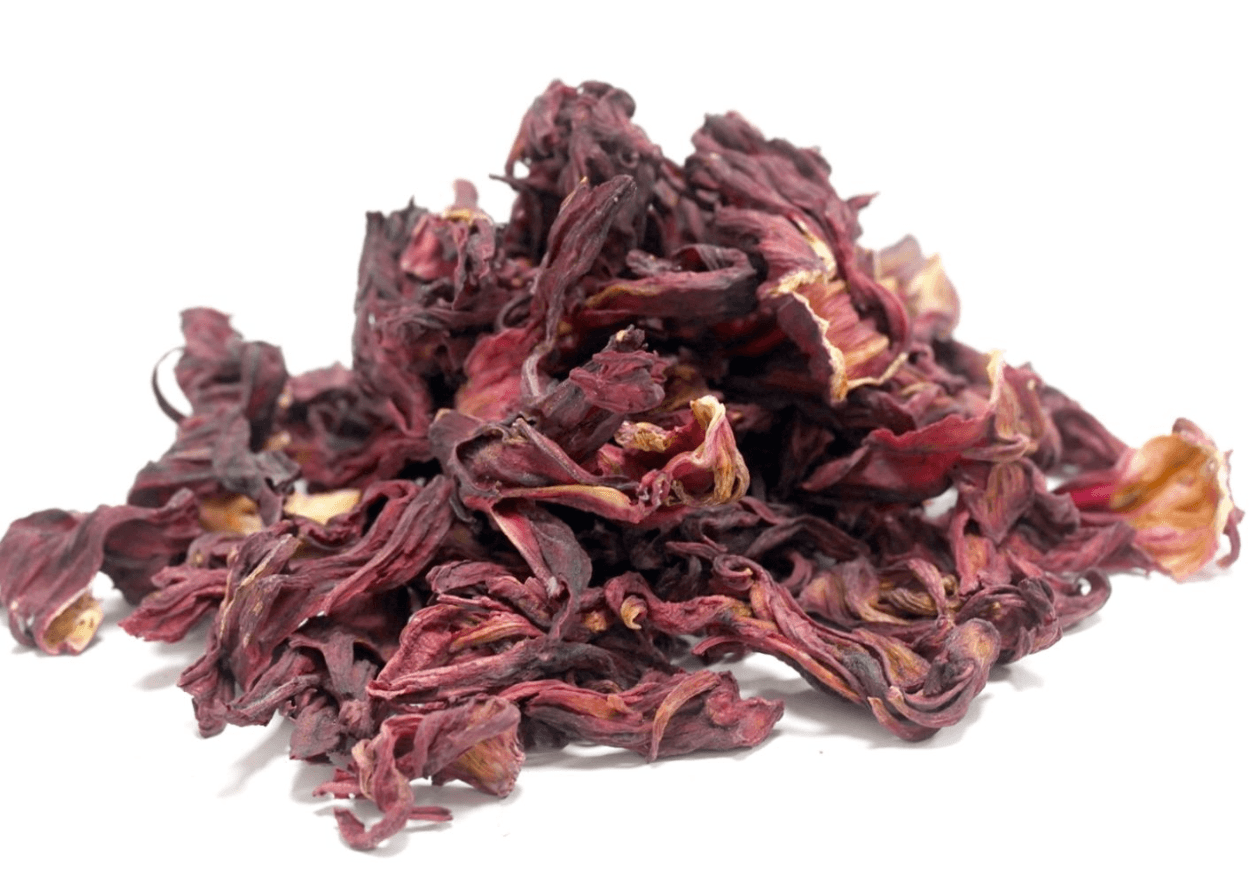
Hibiscus (Source: Cultivatornatural)
Different steeping methods have been tested to preserve the bioactive compounds in herbal teas. Research has shown:
Studies on cold-brewed hibiscus teas on have demonstrated that their content is rich in phenolic compounds, flavonoids and antioxidant activity. Sensory analyses of hibiscus cold teas have determined that they are acceptable to consumers in terms of color, aroma and taste.
Naji, Abdullah, Serap Berktaş, and Mustafa Çam. "Hibiskus (Hibiscus sabdariffa L.) Ekstraktı Tozu ile Soğuk Çay Üretimi: Antioksidan Aktivite ve Duyusal Özellikler." DergiPark Akademik, 2024. Accessed March 14, 2025. https://dergipark.org.tr/tr/download/article-file/1959595.
Naji, Abdullah, Serap Berktaş, and Mustafa Çam. “Hibiskus (Hibiscus sabdariffa L.) Ekstraktı Tozu ile Soğuk Çay Üretimi: Antioksidan Aktivite ve Duyusal Özellikler.” DergiPark Akademik, 2024. Accessed March 14, 2025. https://dergipark.org.tr/tr/download/article-file/1959595.
“Hibiscus.” KMC Post Graduate Studies. Accessed March 14, 2025. https://kmcpgs.py.gov.in/wp-content/plugins/pdf-viewer/stable/web/viewer.html?file=https://kmcpgs.py.gov.in/wp-content/uploads/2024/11/Hibiscus.pdf.

No Discussion Added Yet
Start discussion for "Hibiscus (Hibiscus sabdariffa L.)" article
Growth Conditions and Distribution
Applications
Food Industry
Health and Medicinal Use
cosmetics and Personal Care
Chemical Composition
Steeping Methods and Their Effects on Bioactive Properties
Hibiscus Tea Production and Characterization