


This article was automatically translated from the original Turkish version.
Saklambaç is a traditional group game widely played among children. It is also known as Sobe. One player is chosen as the “ebe” while the other players hide during the ebe’s counting with their eyes closed. The ebe then tries to find the hidden players, calling out “sobeler” when they are found. The game consists of counting, hiding, and catching actions. Its adaptability to both outdoor settings (gardens, streets) and indoor spaces increases its accessibility.
During play, children develop skills such as running, bending, and making quick decisions. The player acting as ebe must use observational skills to think strategically and solve problems. Hidden players, in turn, enhance their abilities to remain silent, control movement, and assess their surroundings. Thus, both motor coordination and cognitive planning are supported.
Saklambaç teaches children to follow rules within a group, exercise patience, share, and wait for their turn. The responsibility of being the ebe and the experiences of winning and losing at the end of the game contribute to emotional maturity. Throughout the game, children move both individually and as part of a group, fostering the development of empathy.
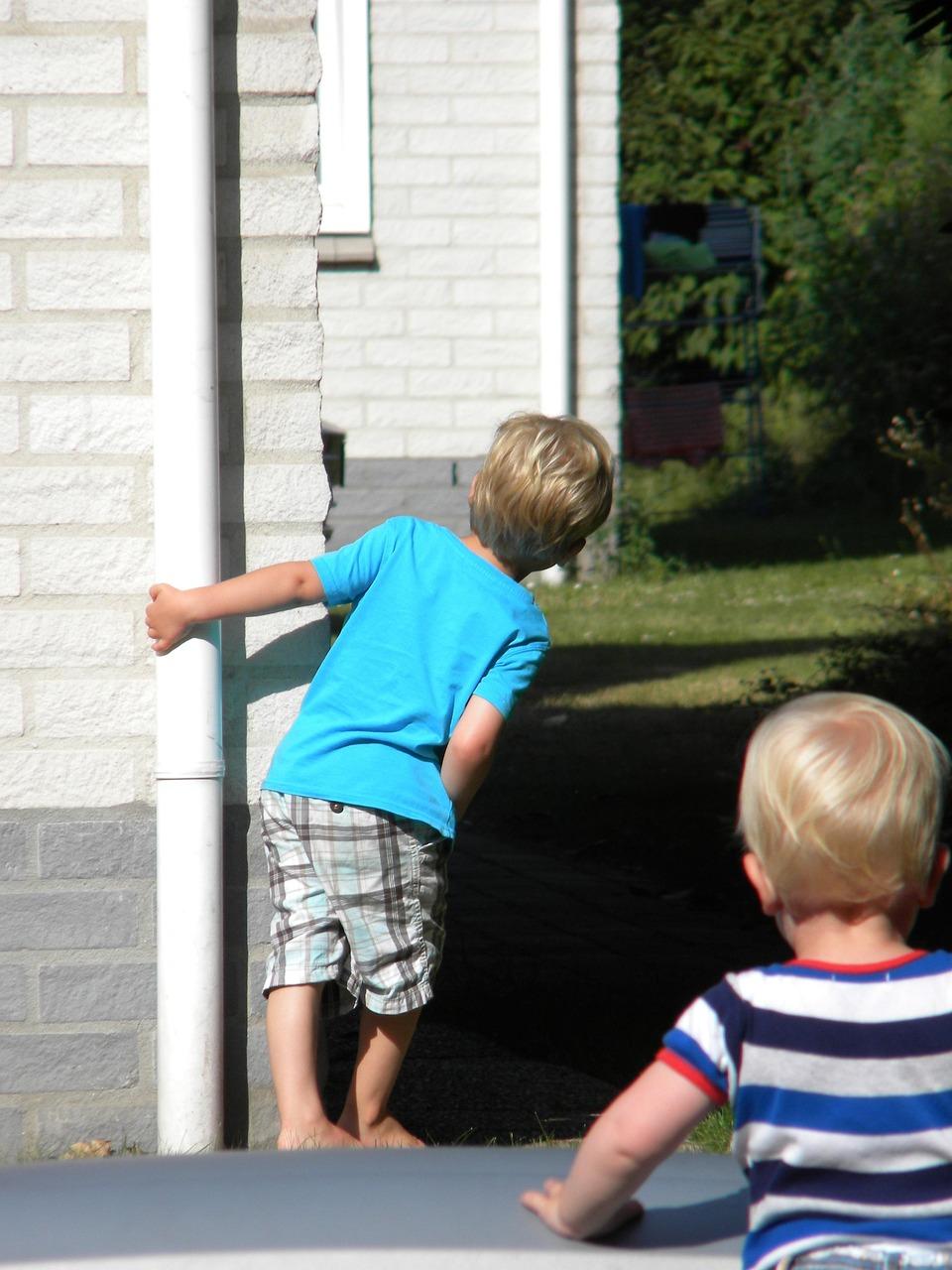
Saklambaç oynayan çocuklar (Pixabay)
Saklambaç ranks among the foremost traditional street games passed down through generations. It is played under various names and variations across many regions of Türkiye. Despite factors such as urbanization and digitalization, it is still actively played in some rural areas. The game also holds significant value in helping children understand and preserve local culture.
No special equipment is required to play Saklambaç, making it an economically accessible game. All that is needed is an open area, a safe environment, and willing participants. This enables every child, regardless of socioeconomic background, to participate.

Contribution to Physical and Cognitive Development
Social Interaction and Emotional Learning
Cultural and Historical Value
Game Environment and Material Requirements