


This article was automatically translated from the original Turkish version.
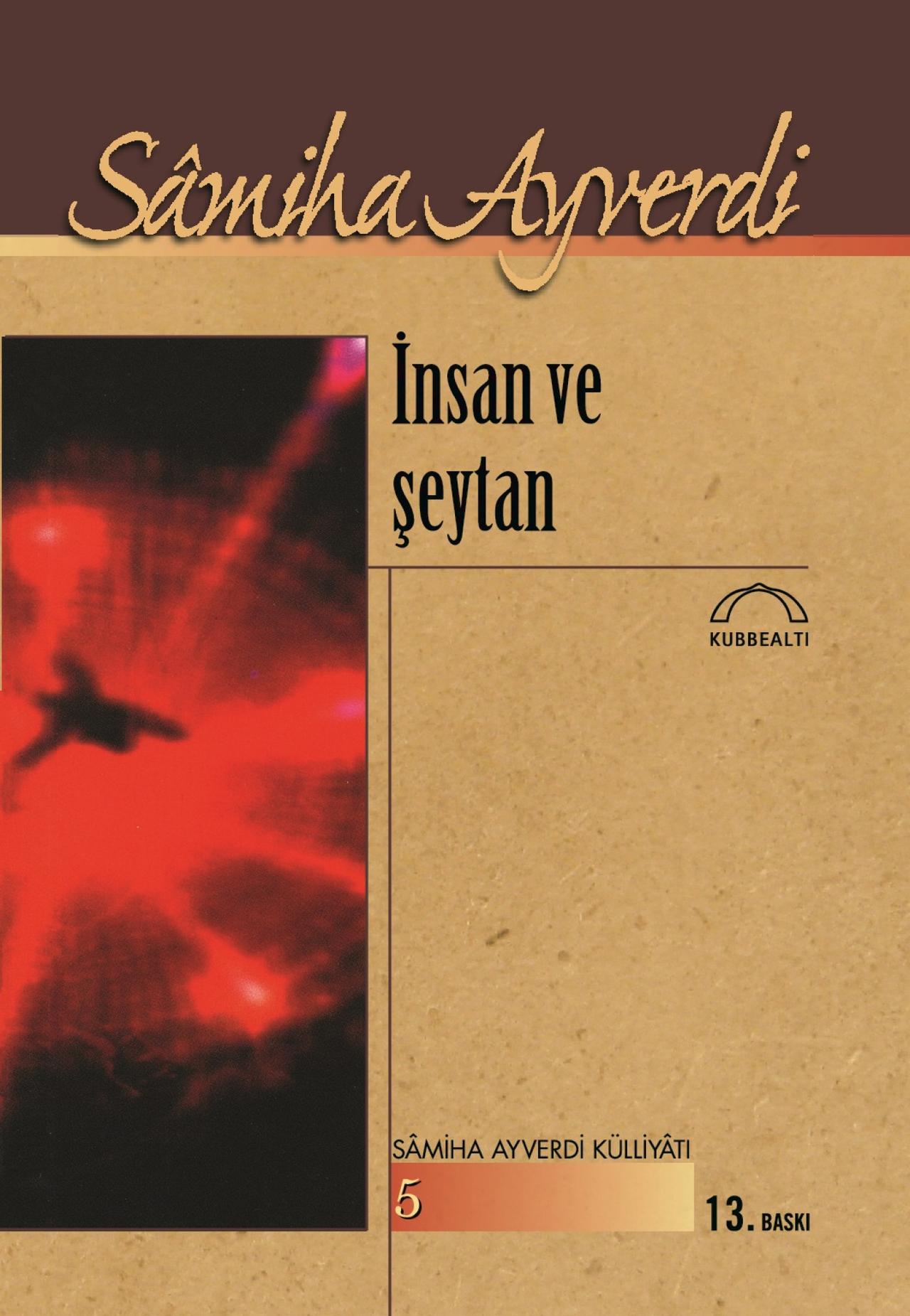
Human and Satan
Author(s) | Samiha Ayverdi | ||||||||
|---|---|---|---|---|---|---|---|---|---|
Category | Literature / Turkish Literature | ||||||||
Type(s) | Novel | ||||||||
Publisher(s) | Kubbealtı | ||||||||
Number of Pages | 288 | ||||||||
ISBN | 9789757663683 | ||||||||
Samiha Ayverdi’s 1942 novel İnsan ve Şeytan explores the inner conflicts of the individual and the struggle between worldly passions and spiritual values. Written from a Sufi perspective, the work illustrates the human struggle against carnal desires and the consequences of this battle.
The novel recounts the life of Şevket, the son of Şaban Ağa, a cook in a palace during the final years of the Ottoman Empire. Adopted into the household at a young age, Şevket earns the affection and respect of everyone due to his diligence and integrity. Over time, he becomes a successful physician and, at the request of Halim Paşa, marries İsmet, the paşa’s niece. İsmet is a woman who places spirituality at the center of her life and works tirelessly throughout her marriage to support her husband’s achievements. However, Şevket is driven by a desire for fame and recognition, and these ambitions lead him toward worldly passions.
One day, under the influence of Lale, the stepdaughter of his brother-in-law, he enters into an illicit relationship. This affair triggers a profound inner conflict within Şevket. When Lale dies in an accident, Şevket experiences relief, declaring, “The devil is dead.” Yet this event deepens the complexity of his spiritual condition.
Şevket: The protagonist of the novel, Şevket begins as a diligent and beloved figure but succumbs to ambitions of fame and worldly desires. His inner conflicts and moral anguish form the core of his spiritual journey.
İsmet: Şevket’s wife, İsmet is a patient and self-sacrificing woman who prioritizes spirituality. Throughout their marriage, she supports her husband’s success.
Lale: The stepdaughter of Şevket’s brother-in-law, Lale is worldly, free-spirited, and hedonistic. Her influence triggers Şevket’s inner turmoil.
Worldly Love and Divine Love: The novel emphasizes the transient and deceptive nature of worldly love, contrasting it with the enduring and true peace offered by divine love.
Inner Conflict and Self-Discipline: Şevket’s internal struggles illustrate the human battle against carnal desires and the significance of overcoming them.
Sufi Perspective: The work underscores Sufism as a light that illuminates the inner world of the individual and highlights the importance of spiritual maturity.
Ayverdi, Sâmiha. İnsan ve Şeytan. Kubbealtı Neşriyat, 2021.

Human and Satan
Author(s) | Samiha Ayverdi | ||||||||
|---|---|---|---|---|---|---|---|---|---|
Category | Literature / Turkish Literature | ||||||||
Type(s) | Novel | ||||||||
Publisher(s) | Kubbealtı | ||||||||
Number of Pages | 288 | ||||||||
ISBN | 9789757663683 | ||||||||
No Discussion Added Yet
Start discussion for "Human and Satan (Book)" article
Subject
Characters
Themes