

+1 More

Ibn al-Ayn Zerbi
Place of Birth | Ayn Zerbe | ||||||||
|---|---|---|---|---|---|---|---|---|---|
Date of Death | 548/1153-54 | ||||||||
Areas of Interest | Medicine, Philosophy, Astronomy | ||||||||
Students | Nasr b. Mahmud b. el-Maruf, Es-Sedîd Ebu’l-Mansur Abdullah b. eş-Şeyhü’s-Sedid, İbn Cemî‘ Şemsü’r-Riyase Ebu’l-Aşâir Hibetullah | ||||||||
Cities Lived In | Baghdad, Cairo | ||||||||
Period Lived In | Fatimids | ||||||||
Sheikh Muvaffaq al-Din Abu Nasr Adnan ibn Nasr ibn Mansur, known as Ibn al-Ayn Zerbi, was from Ayn Zerbe, a settlement near the modern-day Turkey-Syria border.
He resided for a long period in Baghdad, where he received his initial education. He studied medicine and philosophy and attained mastery in astronomy (Nujum).
After leaving Baghdad, he moved to Egypt, where he remained until his death. He served in the field of medicine under the Fatimid caliphs and attained a respected position.
The most detailed information about him comes from Ibn Abi Usaybi’a, who recounts the following story regarding how Ibn al-Ayn Zerbi became famous in Egypt, as told by his father:
“An envoy was sent from Baghdad to Egypt. This man was well aware of Ibn al-Ayn Zerbi’s profound scholarship, broad education, and exceptional merits. While passing through one of the streets of Cairo, he saw Ibn al-Ayn Zerbi seated by the roadside, occupied with astrology. Recognizing him, he greeted him and was astonished that someone of such deep learning and superior medical expertise should be found in such a situation; this impression remained fixed in his mind.
During a conversation with the vizier, the envoy mentioned Ibn al-Ayn Zerbi’s name, describing his scholarship, virtue, medical proficiency, and achievements in other fields. He stated that the Egyptians did not yet know him, that his worth was unrecognized, and that such a man must not be overlooked. Upon hearing these words, the vizier expressed a desire to meet him and summoned him to his presence. He met with Ibn al-Ayn Zerbi, listened to his discourse, and was deeply impressed; he confirmed Ibn al-Ayn Zerbi’s scholarly standing and superiority. He reported the matter to the caliph, who accordingly bestowed honors upon him befitting his learning. From then on, these honors and gifts continued without interruption.”

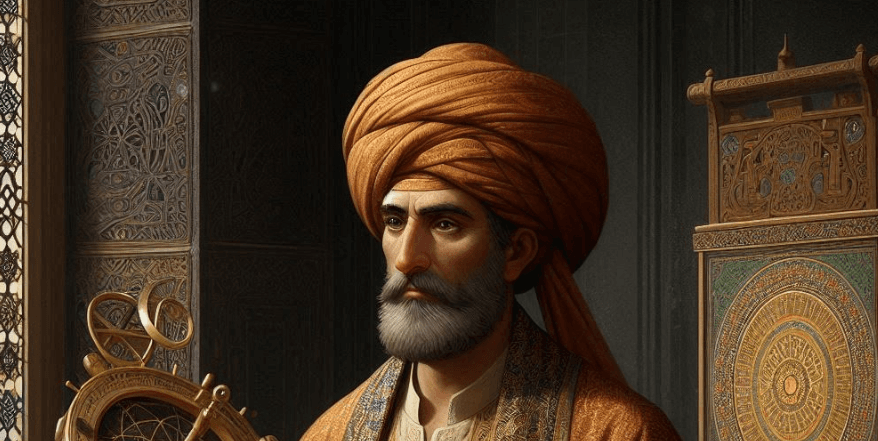
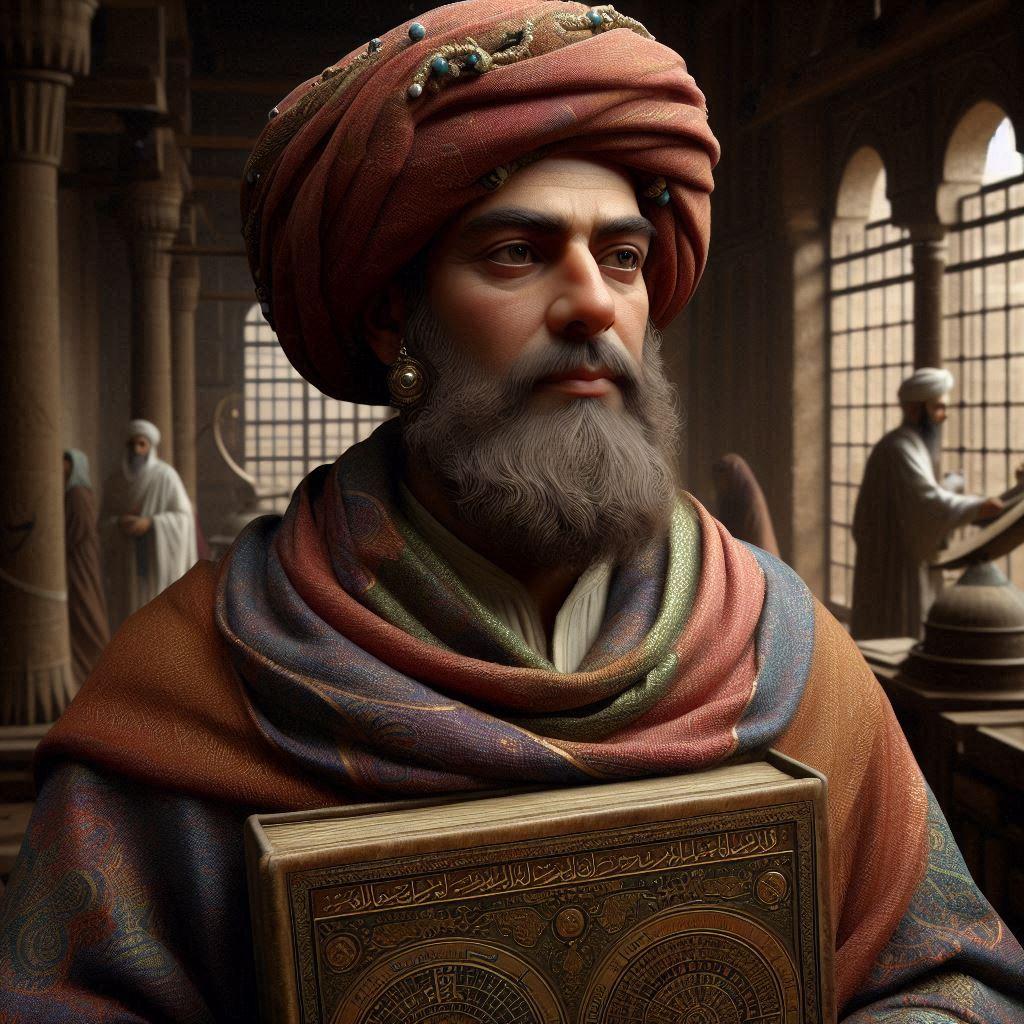
Representative Drawing of Ibn al-Ayn Zerbi (Generated by Artificial Intelligence)
It is also noted that he had an excellent command of Arabic and was highly skilled in writing. Ibn Abi Usaybi’a himself particularly emphasizes that he had seen many of Ibn al-Ayn Zerbi’s works “in his own handwriting, composed in an exceptionally beautiful, high-quality, and scholarly style.”
The exact date of Ibn al-Ayn Zerbi’s birth is unknown. He died in Cairo during the caliphate of al-Zafir bi-Amrillah (d. 549/1154), in the year 548/1153–54.
Nasr ibn Mahmud ibn al-Maruf: Studied philosophical sciences with Ibn al-Ayn and served as his attendant for a period.
al-Sadid Abu al-Mansur Abdullah ibn al-Shaykh al-Sadid: Studied medicine under Ibn al-Ayn and served the Egyptian caliphs.
Ibn Jami‘ Shams al-Riyasah Abu al-As‘ir Hibatullah: One of those who studied medicine with Ibn al-Ayn. Later, he served Salah al-Din ibn Yusuf ibn Ayyub. He maintained his own dedicated medical assembly.
Katib Çelebi. Keşfü'z-Zünûn. Beyrut 1941. C. II.
es-Safedî, Selahaddin Halil b. Aybek. el-Vâfî bi'l-Vefayât. thk. Ahmed Arnavut-Türki Mustafa. Beyrut 2000. C. XIX.
ez-Zehebî, Şemseddin Ebu Abdullah Muhammed. Tarihu'l-İslâm ve Vefeyâtü'l-Meşâhîr ve'l-A'lâm. thk. Ömer Abdüsselam et-Tedmurî, Beyrut 1993.
İbn Ebî Useybia, Muvaffakuddîn Ebü’l-Abbas Ahmed b. el-Kâsım b. Halîfe b. Yûnus es-Sa’dî el-Hazrecî. Uyûnu’l-Enbâ fî Tabakâti’l-Etıbba. thk. Nizâr Rızâ. Beyrut, 1965.

Ibn al-Ayn Zerbi
Place of Birth | Ayn Zerbe | ||||||||
|---|---|---|---|---|---|---|---|---|---|
Date of Death | 548/1153-54 | ||||||||
Areas of Interest | Medicine, Philosophy, Astronomy | ||||||||
Students | Nasr b. Mahmud b. el-Maruf, Es-Sedîd Ebu’l-Mansur Abdullah b. eş-Şeyhü’s-Sedid, İbn Cemî‘ Şemsü’r-Riyase Ebu’l-Aşâir Hibetullah | ||||||||
Cities Lived In | Baghdad, Cairo | ||||||||
Period Lived In | Fatimids | ||||||||
Works of Ibn al-Ayn Zerbi
Students of Ibn al-Ayn Zerbi