At KÜRE Encyclopedia, we use cookies to provide you with the most efficient and enjoyable experience possible.
With your consent, we may personalize our content and services based on your browsing history and preferences. If you choose to allow only essential cookies, some features may operate with limited functionality.

This article was automatically translated from the original Turkish version.
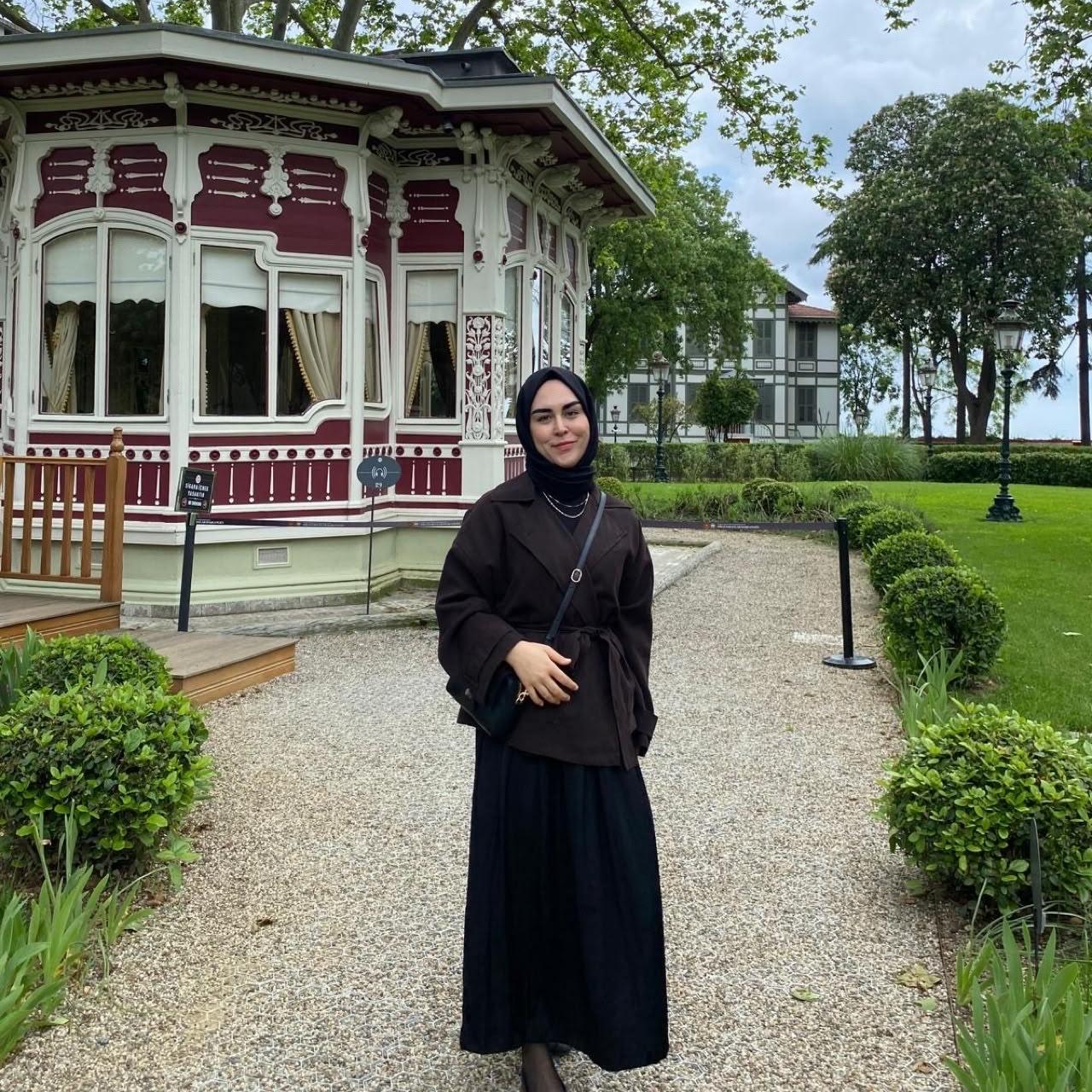
In this world, where everything is written on banners, shouted aloud, and awakened by noise, is it possible to speak through the language of stillness?
This question has been lingering in my mind for days. Does speaking through the language of stillness mean living within one’s own quiet, small world, avoiding entanglement with the loud and the vulgar, remaining silent, fragile, and withdrawn? Is there not, in this practice, a certain balance and moderation?
Just as there must be moderation in all human actions and deeds, it is also possible for one who speaks through the language of stillness to live not as a withdrawn, melancholic character but as a voice that carries presence through Muslim. Unfortunately, when Islam is blended with local cultures, it sometimes gives rise to life styles that are either devoid of quality or detached from reality, along with the teachings they propagate. When Islam is mixed with culture, the glorification of poverty has socially perpetuated destitution, turning it into a standard of living. As a result, withdrawal has become a way of life, and humility has lost its true meaning, replaced by invisibility. Yet, even so, we still harbor a quiet wish: “May all beautiful and successful deeds in this world be carried out by Muslims.” If even this wish remains hidden, what is left in the open? What must remain unseen, unheard, and unsaid?
The idea and duty of representation have now surrendered to advertising and engagement. Representation has yielded to followers and following. If even words are losing their meaning in this transforming age, what remains untouched, preserving its essence? It is the essence of the human being—the compassion within that aligns with the natural disposition.
In the universe, everything exists in relation to its opposite. When evil is so evidently apparent, the time has come to actively manifest goodness; and with it, youth and maturity also advance. What will remain behind us are those beautiful things that stayed hidden. Now is the time to embody them with a compassionate yet courageous stance through Muslim stance. It is time to set out without concern for words, filling our pockets with goodness and beauty, renewing our intentions. Wherever we are, we must rise from there, remove our glasses and headphones, and walk again and again to see life anew. This walk will give us meaning, pull us out of the comfort we cling to. The minimalist orders of self-centeredness and quiet, solitary lives will give way to a vibrant yet silent existence centered on others.
This structure, exhausted by constant preoccupation with personal development and its own troubles, will be revived with vitality and empathy. Connecting with the other will warm them to life. Loving the other will make them feel more valuable and fulfilled. The beautiful words of our Master (peace be upon him), One hand should not know what the other gives.【1】, will be practiced: one will not boast of what one gives, nor will one wear the cloak of the one who receives. PR packages will yield to the invisible but enduring dopamine of goodness. The question that may arise in minds at the beginning of this text—“Was not secrecy contradicted?”—is a valid one. But here, what remains hidden is the giver’s pride and the receiver’s shame. The feeling that emerges from this act, this dopamine, will stir the person with enthusiasm; what is visible is a Muslim kind of fervor.
So what are you waiting for? Rise and walk toward that magnificent, evident life. As you walk, your longing will grow, your feet will gain strength, and the anxiety of waking to a new day will be replaced by its excitement.
With affection.
[1]
Buhârî, el-Câmiʿu’s-Sahîh, “Hudûd”, 19; Müslim, el-Câmiʿu’s-Sahîh, “Zekât”, 91.

