

+1 More

Date and Place of Birth | 1929, Eskişehir | ||||||||
|---|---|---|---|---|---|---|---|---|---|
Date and Place of Death | 2000 Eskişehir | ||||||||
Nickname(s) | Bülbül Hoca | ||||||||
Position(s) | Kasidehan Mevlidhan Müezzin | ||||||||
Places of Service | Reşadiye Camii Çarşı Camii Akarbaşı Camii Sivrioğlu Camii Bursa Ulu Cami İstanbul Yeni Cami | ||||||||
Albums | Mevlid-i Şerif Münacat Kasideler ve İlahiler | ||||||||
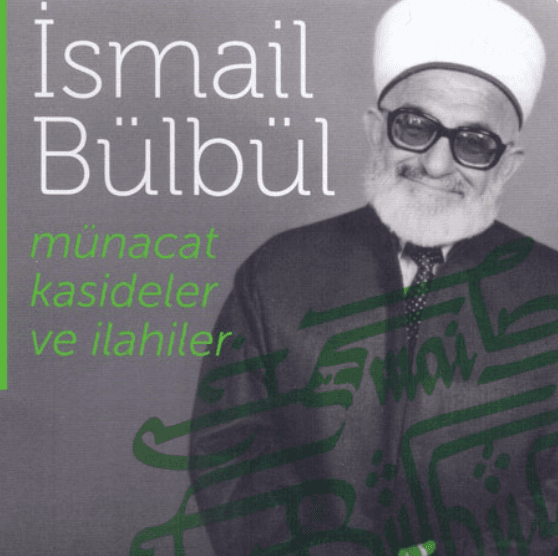
Born in 1929 in Eskişehir, İsmail Doruk was a renowned performer, kasidehan, and mevlidhan in the field of Turkish Religious Music, particularly known for his performances of the kaside form. He was widely known in public life by the nickname “Bülbül Hoca” and gained national recognition across Türkiye through his kaside recitations during the 1970s and 1980s. With his voice in mevlid, ilahi, and kaside genres, he aimed to establish a spiritual connection between the listener and God, securing his place in history as an artist who left a lasting mark in both traditional and modern media environments.
Bilal Demiryürek & İsmail Doruk "Gariplik Tuttu Boynumu" (Youtube - Celal Talha Çelik)
İsmail Doruk’s father was Hilmi (or Selim, according to some sources) Sırrı Efendi, and his mother was Şerife Hanım. The family resided in the Odunpazarı neighborhood of Eskişehir. Doruk grew up in this neighborhood as one of two children. After losing his father at a young age, he attended an art school following primary education under his mother’s guidance, but his schooling was unstable due to his restless and unconventional temperament. His mother sought to bring him into order through marriage and married him at a young age. From this marriage, he had five children: Ayşe, Süleyman, Şerife, Murat, and Nazife.
After completing his military service, Doruk began working in 1955 at the Eskişehir Sugar Factory, where he held a civil service position but never adapted to the routine of regular employment. He also worked for a time in a printing factory alongside his brother. His voice, which attracted attention through songs and folk tunes performed at weddings, holidays, and various community gatherings, quickly made him a well-known figure in the Eskişehir region. Particularly due to the power of his voice, he turned toward religious music. However, he did not receive formal classical training, did not memorize religious texts, and lacked systematic knowledge of Quranic recitation and tecvid. His only asset was his exceptional voice.
In 1950, İsmail Doruk applied to Istanbul Radio to assess his musical talent. However, traditional family pressures, especially opposition from his grandmother, rendered this effort unsuccessful. This obstacle temporarily deterred him from pursuing a public musical career. Nevertheless, his passion for music persisted, and he continued to recite religious poetry in maqam using his self-developed vocal technique.
Doruk’s daughter encouraged him to return to music and helped him participate in an examination held in Istanbul in 1966. After passing this exam, Doruk began serving as a muazzin in mosques in Istanbul. He served for six years at the Yeni Camii and then for two years at the Bursa Ulu Camii. During his time in Istanbul, he met and worked with the composer Hafız Sadettin Kaynak, who was serving at the Selimiye Camii. He also became a student of Yusuf Nalkesen, and these relationships significantly enhanced his knowledge of maqam and his proficiency in musical performance.
In the 1970s, Doruk gained widespread recognition through his televised recitations of the “Bülbül Kasidesi”, attributed to Yunus Emre. This kaside earned him the popular title of “Bülbül Hoca.” His powerful voice, sincere emotional expression, and steadfast adherence to traditional style elevated him to a distinguished position within the tradition of religious music. His interpretations of dua and kaside genres were closely followed by television producers of the era, and he became a frequently invited guest during special occasions such as Ramadan.
İsmail Doruk - Bülbül Kasidesi (Youtube - Egemen Gülcan)
In 1993, under the direction of Yusuf Nalkesen and through the Uzelli Stereo label, Doruk released an album titled “Münacat Kasideler ve İlahiler.” Following this, the same company released his second album, “Mevlid-i Şerif.” These albums hold archival significance within the context of traditional religious music recordings. Doruk’s musical understanding—evident in his use of maqam, ornamentation, and performance style—can be studied in detail through these recordings.
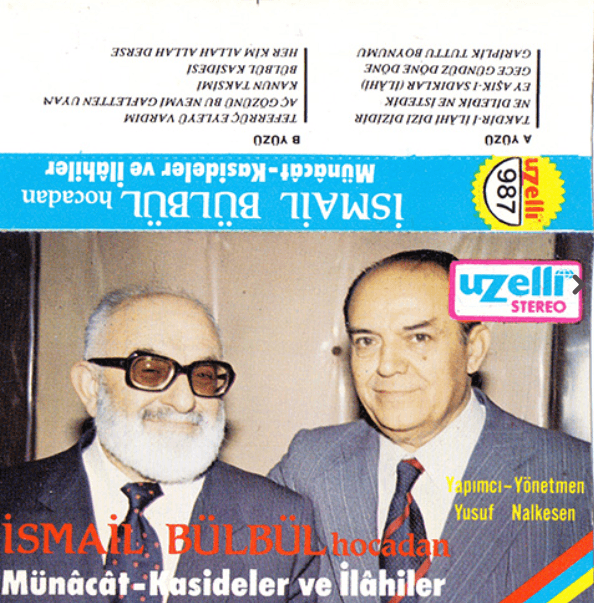
Münacat Kasideler ve İlahiler albümü (Uzelli)
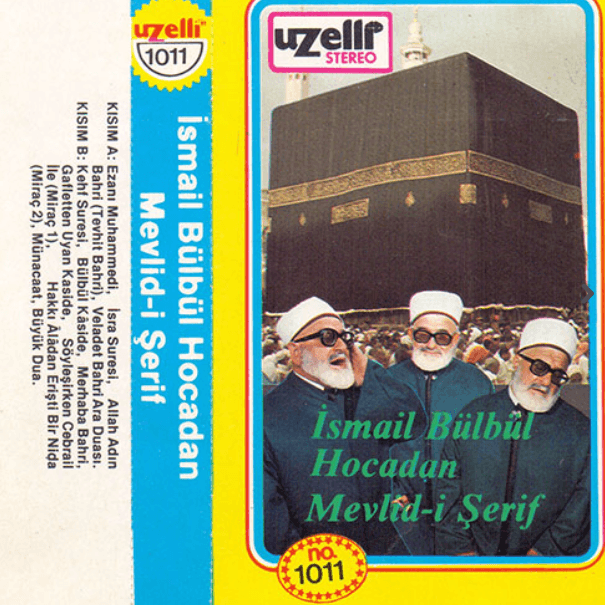
Mevlid-i Şerif albümü (Uzelli)
Due to health issues, Doruk left his position in Istanbul and returned to Eskişehir, where he resumed serving as a muazzin at the Sivrioğlu Camii in Odunpazarı. Later, he served at the Akarbaşı Camii, Çarşı Camii, and finally at the Reşadiye Camii. After retirement, he ceased active religious duties and opened a small confectionery shop behind the Eskişehir Çarşı Camii, leading a simple life.
İsmail Doruk’s musical style was shaped by an improvisational approach to performance. His interpretations in the Hicaz maqam, characterized by melodic movements harmonious with the text and intricate ornamentation, attracted particular attention. In his recitations of kasides, he skillfully employed techniques such as vibrato, portamento, glissando, grupetto, trill, and mordent. Examples of these techniques can be found especially in his performance of Yusuf Nalkesen’s kaside “Takdiri İlahi Dizi Dizidir.” These performances, later transcribed and documented, remain among the most important recordings that attest to his musical mastery.
İsmail Doruk passed away on 25 September 2000, leaving behind valuable performances and vocal recordings that contributed significantly to the tradition of religious music. Remembered as “Bülbül Hoca,” İsmail Doruk occupies a unique place in the history of Turkish religious music, particularly through his distinctive interpretations of the kaside form, where mosque and tekke musical traditions intertwined.
Koç, Özkan. “Türk Din Mûsikîsi’nde Kaside Formu: İsmail Doruk Örneği.” Eskişehir Osmangazi Üniversitesi İlahiyat Fakültesi Dergisi 12, no. 2 (2025): 634–649. https://doi.org/10.51702/esoguifd.1680015
Mihrabad Yayınları. “İsmail Doruk (Bülbül).” Accessed September 25, 2025. https://www.mihrabadyayinlari.com/sahsiyetler/ismail-doruk
Uzelli. “İsmail Bülbül.” Accessed September 25, 2025. https://www.uzelli.com/sanatci/ismail-bulbul#:~:text=%C4%B0lk%20ve%20orta%20%C3%B6%C4%9Frenimini%20Eski%C5%9Fehir,ve%20%C4%B0stanbul'da%20%C3%A7al%C4%B1%C5%9Fmaya%20ba%C5%9Flam%C4%B1%C5%9Ft%C4%B1r.

Date and Place of Birth | 1929, Eskişehir | ||||||||
|---|---|---|---|---|---|---|---|---|---|
Date and Place of Death | 2000 Eskişehir | ||||||||
Nickname(s) | Bülbül Hoca | ||||||||
Position(s) | Kasidehan Mevlidhan Müezzin | ||||||||
Places of Service | Reşadiye Camii Çarşı Camii Akarbaşı Camii Sivrioğlu Camii Bursa Ulu Cami İstanbul Yeni Cami | ||||||||
Albums | Mevlid-i Şerif Münacat Kasideler ve İlahiler | ||||||||
No Discussion Added Yet
Start discussion for "Ismail Doruk (Bülbül Hoca)" article
Family and Social Origins
Early Youth and Entry into Professional Life
Encounter with Religious Music and Entry into Radio
Transition to Muazzinship and Istanbul Period
Artistic Recognition and Media Presence
Recordings on Vinyl and Cassette
Local Service and Retirement Years
Artistic Style and Musical Approach
Death