This article was automatically translated from the original Turkish version.
Botanical Name | Foeniculum vulgare | ||||||||
|---|---|---|---|---|---|---|---|---|---|
Family | Apiaceae | ||||||||
Registration Type | Place of Origin | ||||||||
Registration Number | 640 | ||||||||
Registration Date | 04.01.2021 | ||||||||
Origin(s) | Burdur Province Karamanlı District | ||||||||
Average Essential Oil Ratio | 2.05% ± 0.25 | ||||||||
Average Trans-Anethole Ratio | 70% - 81% | ||||||||
Average Crude Oil Ratio | 8.12% ± 0.20 | ||||||||
Applicant/Registrant(s) | Karamanlı Municipality | ||||||||
Address | Pazar Neighborhood Karamanlı / BURDUR Fatih Street | ||||||||
Karamanlı dill weed is an aromatic medicinal herb cultivated within the geographical boundaries of the Karamanlı district of Burdur province, distinguished by its high volatile oil content and nutritional value.
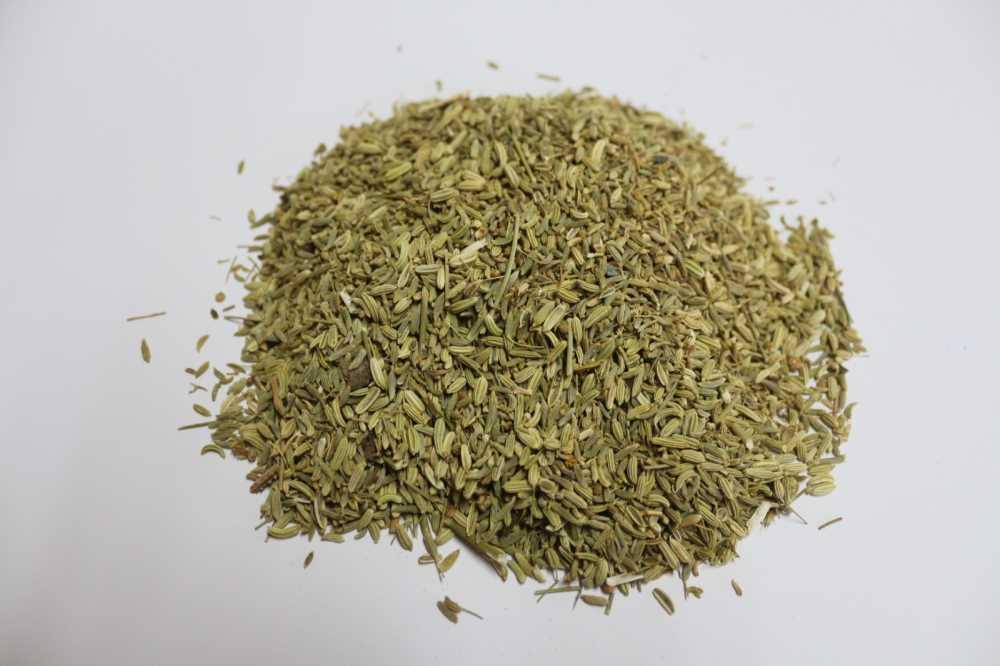
Karamanlı dill weed is a biennial, herbaceous plant classified within the Apiaceae family. Its leaves are petiolate, glabrous, and finely structured. The stem is upright, hollow, and cylindrical, reaching up to two meters in height. The flowers are borne on long pedicels and arranged in compound umbels. The fruits are cylindrical, glabrous, and exhibit a characteristic greenish-brown color.
Karamanlı dill weed is notable for its high nutritional content and volatile oil composition. Analyses have shown an average crude fat content of 8.12% ± 0.20% and a crude protein content of 14.97% ± 0.20%. Its most distinctive feature is the high volatile oil content, averaging 2.05% ± 0.25%. The primary constituent of this volatile oil, trans-anethole, ranges between 70% and 81%, directly influencing the plant’s aromatic quality and therapeutic value. During inspections, a minimum threshold for volatile oil content is strictly enforced.
Cultivation begins with preparing the soil through traditional plowing and tillage methods. Sowing is carried out in early spring either by hand broadcasting or mechanical seeding. Weed control is performed exclusively through mechanical means; chemical herbicides are not used. Irrigation is conducted using modern, environmentally friendly sprinkler or drip irrigation systems. The use of natural water sources in the region, rich in minerals, is a significant factor contributing to the enhanced nutritional value of the plant.
The harvesting period begins at the end of summer and may extend into early autumn. Harvested plants are dried in a clean, dry, and well-ventilated environment, protected from rainwater to prevent quality loss. Products are regularly monitored during the drying process. After drying is complete, the product is stored in suitable bags that prevent contact with the ground and allow air circulation, in dry and low-humidity conditions.
Due to its high quality and concentration of volatile oils, Karamanlı dill weed is a valuable raw material in the pharmaceutical and food industries. The entire above-ground parts and seeds of the plant can be dried and consumed as tea. Processed forms are widely used in food supplements, as a spice, in herbal tea blends, and in the fragrance industry.
Ministry of Culture and Tourism. "Karamanlı Rezenesi." *Culture Portal*. Accessed October 3, 2025. https://www.kulturportali.gov.tr/turkiye/burdur/nealinir/karamanli-rezenesi
Turk Patent and Trademark Office. "Karamanlı Rezenesi." *Geographical Indications Portal.* Accessed October 3, 2025. https://ci.turkpatent.gov.tr/cografi-isaretler/detay/38574
Turkish Patent and Trademark Office. *Karamanlı Rezenesi Coğrafi İşaret Tescil Belgesi.* 2023. PDF file. Accessed October 3, 2025. https://ci.turkpatent.gov.tr/Files/GeographicalSigns/5b8bd5c4-a079-43b2-aabb-f97b3c455faa.pdf

Botanical Name | Foeniculum vulgare | ||||||||
|---|---|---|---|---|---|---|---|---|---|
Family | Apiaceae | ||||||||
Registration Type | Place of Origin | ||||||||
Registration Number | 640 | ||||||||
Registration Date | 04.01.2021 | ||||||||
Origin(s) | Burdur Province Karamanlı District | ||||||||
Average Essential Oil Ratio | 2.05% ± 0.25 | ||||||||
Average Trans-Anethole Ratio | 70% - 81% | ||||||||
Average Crude Oil Ratio | 8.12% ± 0.20 | ||||||||
Applicant/Registrant(s) | Karamanlı Municipality | ||||||||
Address | Pazar Neighborhood Karamanlı / BURDUR Fatih Street | ||||||||
Botanical Description and Physical Characteristics
Chemical Composition and Quality Criteria
Cultivation Techniques and Agricultural Practices
Harvesting, Drying, and Storage
Applications and Economic Value