

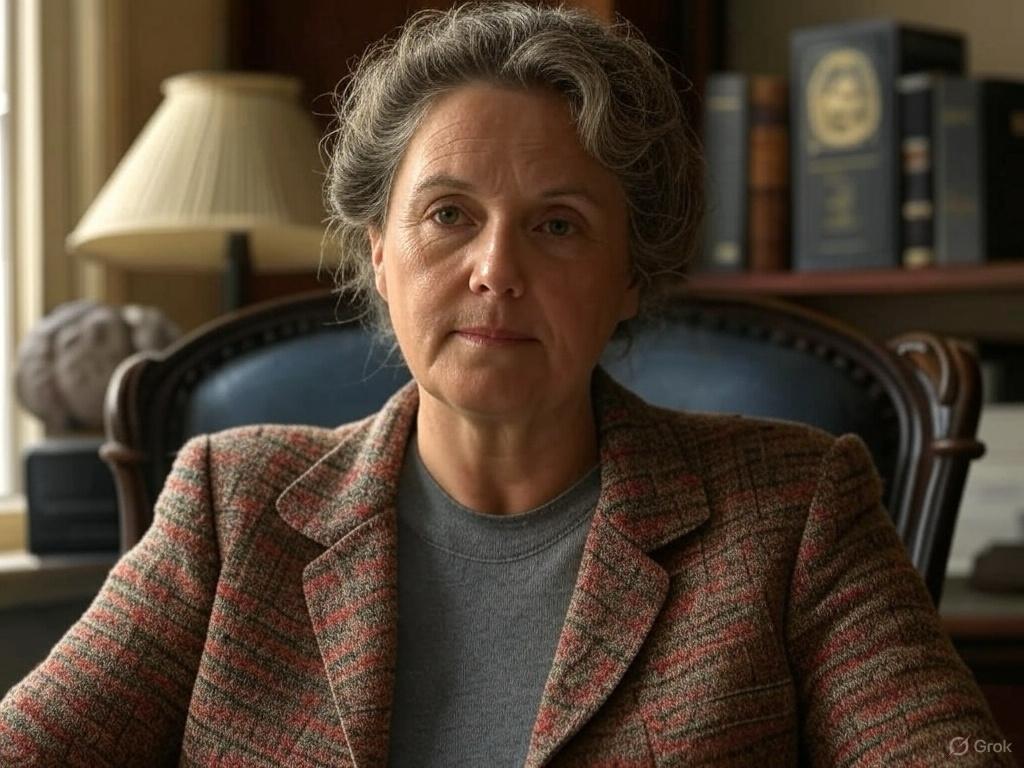

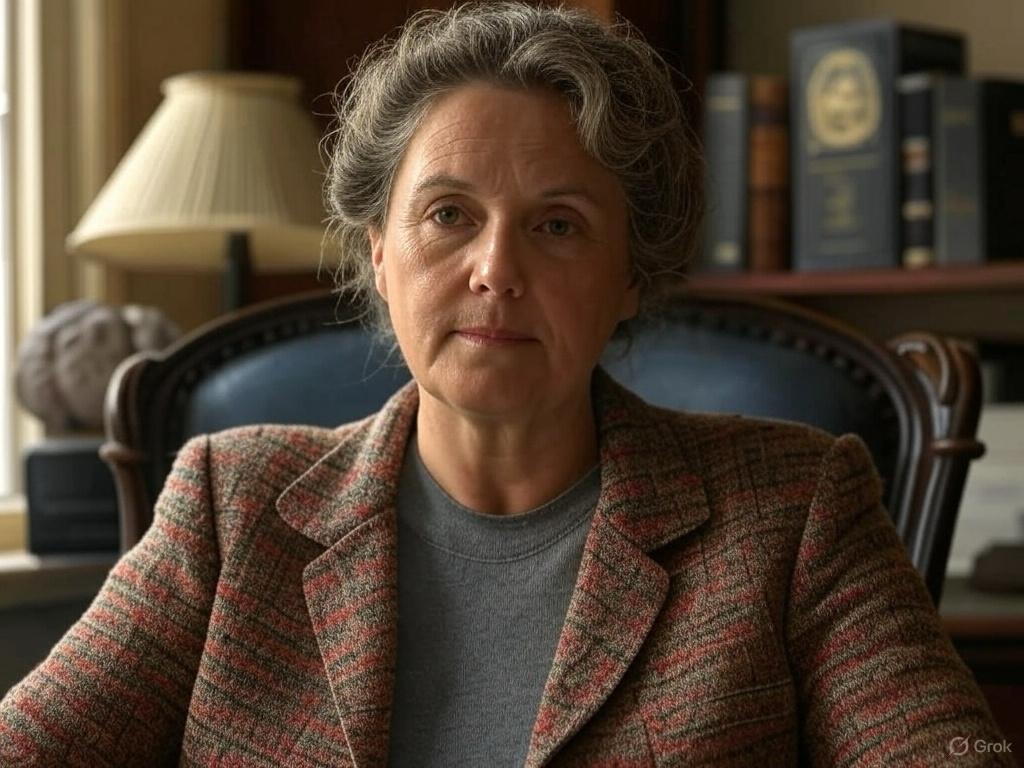
Karen Horney
Doğum tarihi | 1885-09-16 | ||||||||
|---|---|---|---|---|---|---|---|---|---|
Ölüm tarihi | 1952-12-04 | ||||||||
Karen Horney was born on 16 September 1885 in Blankenese, near the city of Hamburg in Germany. Her father, Berndt Wackels Danielsen, was a Norwegian ship captain with an authoritarian personality. Her mother, Clotilde Van Ronzelen, was more liberal and educated. This contrast within the family led Horney to develop differing perspectives at an early age. From Small years onward, Horney showed interest in intellectual matters and pursued her education with particular encouragement from her mother, importance.
In 1906, she began her medical studies at the University of Freiburg. At that time, women’s admission to universities in Germany was rare, demonstrating Horney’s determination and resolve. She continued her education at the Universities of Göttingen and Berlin. In 1911, she received her medical degree from the University of Berlin and turned her focus to psychiatry.
Horney gained in-depth expertise in psychoanalysis through her work at the Berlin Psychoanalysis Institute. In 1932, she moved to the United States and began working at the Chicago Psychoanalytic Institute. Later, she settled in New York and taught at the New York Psychoanalytic Institute. In 1941, she left this institute to found the American Psychoanalytic Institute.
Horney argued that neuroses originate not from biological factors but from cultural and social influences. This perspective introduced a new approach to psychoanalytic theory and asserted that individuals could analyze themselves.
Horney had a strong interest in literature and travel. Experiencing different cultures and exploring new places broadened her world perspective.
In 1910, she married lawyer Oskar Horney, with whom she had three daughters. However, their marriage ended in 1927. Her personal struggles and battles with depression also influenced her work.
In her final years, Horney remained actively involved with the American Psychoanalytic Institute and mentored many students. She died on 4 December 1952 in New York from liver cirrhosis.
Horney’s work left a profound impact on the fields of psychoanalysis and psychology. Her views on women’s psychology and the influence of cultural factors on individual development played a significant role in shaping modern psychology. Her theories became a source of inspiration for feminist movements and modern psychotherapeutic approaches. The insights she brought to women’s psychological experiences served as a guiding reference for many researchers and therapists, perspective road.
Horney, K. (1937). The Neurotic Personality of Our Time. New York: W.W. Norton & Company.
Horney, K. (1945). Our Inner Conflicts: A Constructive Theory of Neurosis. New York: W.W. Norton & Company.
Horney, K. (1950). Neurosis and Human Growth: The Struggle Toward Self-Realization. New York: W.W. Norton & Company.
Scharff, D. E., & Scharff, J. S. (1991). Karen Horney: A Psychoanalyst's Search for Self-Understanding. Yale University Press.
Westenberg, P. M., & Neimeyer, R. A. (1994). Karen Horney and Psychoanalytic Theory. Journal of Personality and Social Psychology, 66(6), 1226-1237.

Karen Horney
Doğum tarihi | 1885-09-16 | ||||||||
|---|---|---|---|---|---|---|---|---|---|
Ölüm tarihi | 1952-12-04 | ||||||||
Educational Life
Career and Achievements
Career Path
Key Achievements
Key Works and Contributions
Publications and Projects
Personal Life
Hobbies and Interests
Private Life
Final Years and Death
Legacy and Influence