This article was automatically translated from the original Turkish version.
+2 More
Location | Kaleiçi Neighborhood Kars | ||||||||
|---|---|---|---|---|---|---|---|---|---|
Construction Date(s) | 1643 (Sultan Ibrahim Period) | ||||||||
Material(s) | Cut basalt stone | ||||||||
Founder(s) | Kars Beylerbeyi Dilaver Pasha | ||||||||
Popular Name | Yanık-Yağlı Mosque | ||||||||
Architectural Structure | Square plan, Single story | ||||||||
A historical place of worship located in the Kaleiçi neighborhood of Kars province, dating back to the 17th century and holding a place in collective memory due to the historical events it has witnessed.
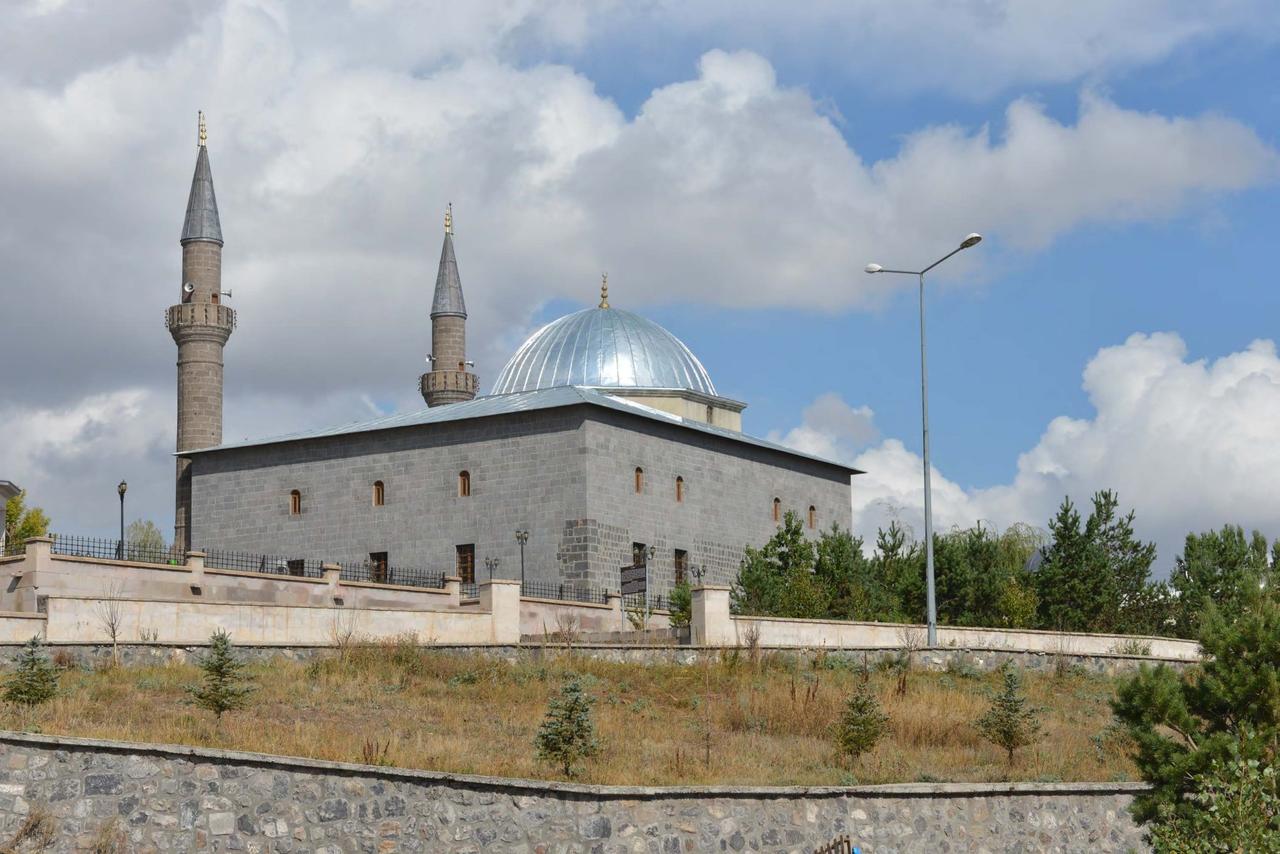
The construction of the mosque dates to the Ottoman Empire period. Although the original structure was commissioned in the 16th century in the name of Sultan Murad III, it was destroyed by the armies of Shah Abbas during Iranian invasions. The structure that survives today was built in the 17th century by Dilaver Pasha, the Beylerbeyi of Kars, during the reign of Sultan Ibrahim. It is recorded that the construction was completed in 1643. Architecturally, the mosque has a square plan and was constructed as a single-story building using cut basalt stones. It features two minarets, each with a single gallery.
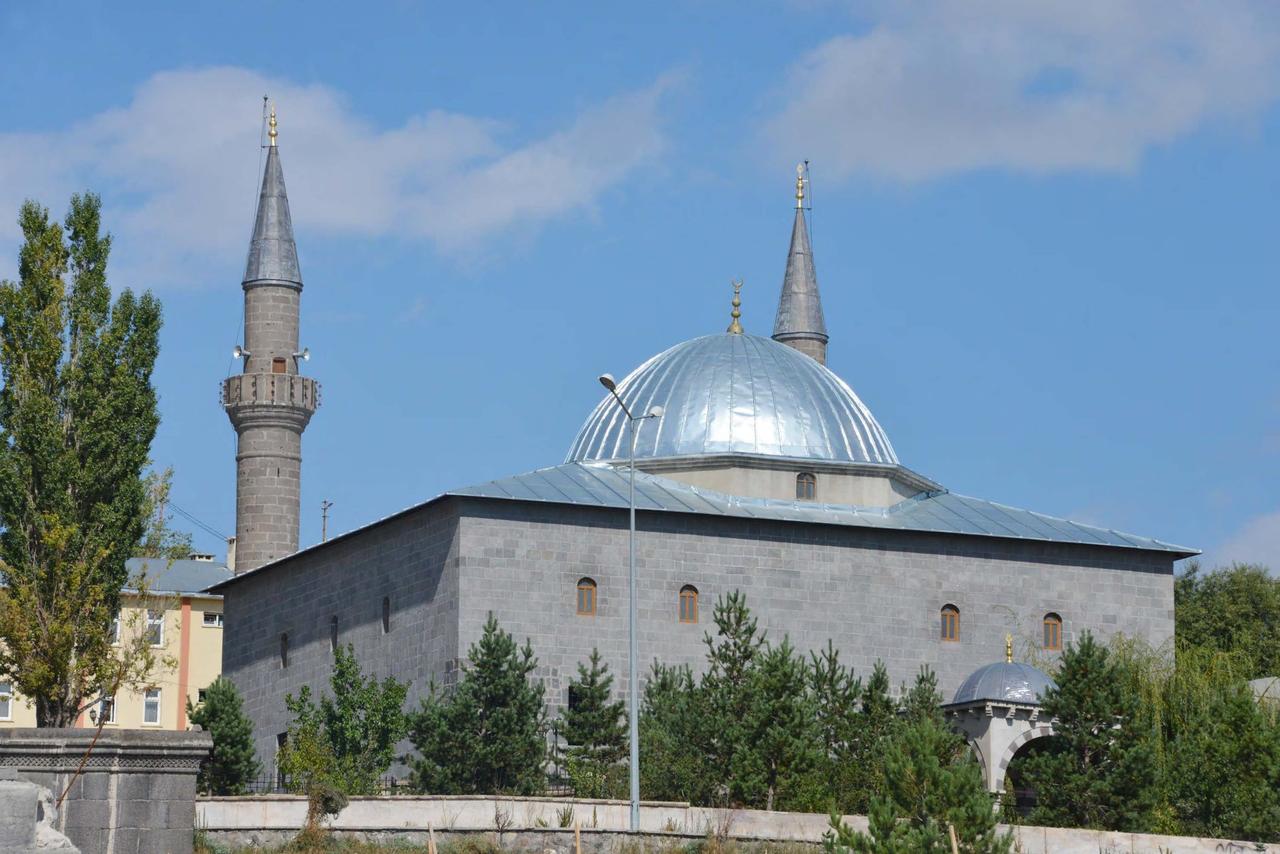
Kars Ulu Camii (Atatürk Kültür Merkezi Başkanlığı)
Since its construction, the mosque has suffered damage or been repurposed during various wars and occupations. Following the Russo-Turkish War of 1877–1878 and the Russian occupation of Kars, the building was damaged. During the occupation years, the Russians, citing the small Muslim population in the region or citing wartime conditions, removed the mosque from its religious function and used it as a storage facility, particularly as an arms depot. After the Russians withdrew from the region, control of the building passed for a time to Armenians.
Kars Ulu Camii is remembered for the loss of life and violent incidents that occurred at the end of the First World War. In 1918, Armenian gangs lured the Turkish population of the city into the mosque under the promise of an agreement or meeting, and then burned alive the 286 people gathered inside. During this event, the mosque was largely destroyed and rendered unusable.
As a result of this event, the local population began referring to the mosque as “Yanık-Yağlı” (Burnt and Oily). It is reported that traces of blood and grease, believed to belong to the victims killed during that period, can still be seen today, particularly on the walls beside the pulpit and in the shoe storage area.
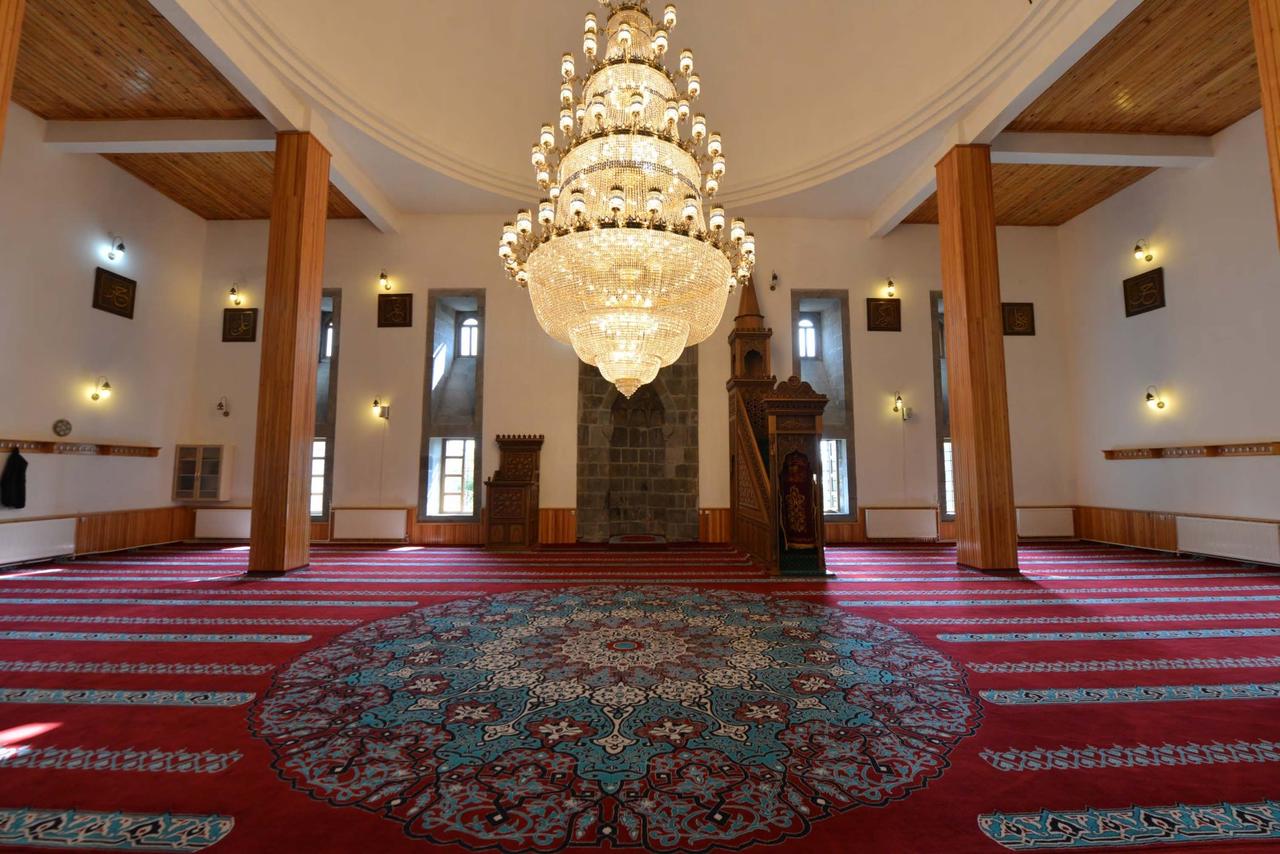
Kars Ulu Camii Related Visual (Atatürk Kültür Merkezi Başkanlığı)
The structure, which remained in ruins or damaged for many years, underwent extensive restoration toward the end of the 20th century. According to sources, restoration work began in either 1997 or 2000, and the building was renovated while remaining faithful to its original architecture. Today, the mosque is open for worship and visitation and also serves as a space displaying documents and photographs related to the events of 1918. As a result of the restoration, different types of stone can be seen in the entrance area of the mosque.
Culture Portal. "Ulu Cami - Kars." Last updated March 19, 2013. Accessed February 11, 2026. https://www.kulturportali.gov.tr/turkiye/kars/kulturenvanteri/ulu-cam514636.
Gezibilen. "Kars Ulu Camii." Accessed February 11, 2026. https://gezibilen.com/travelpoint/kars/kars-ulu-camii.
Hyetert. “Ermeni Katliamlarının Belgeleri Kars Ulu Camide Sergileniyor.” Accessed February 11, 2026. https://hyetert.org/2019/04/26/ermeni-katliamlarinin-belgeleri-kars-ulu-camide-sergileniyor/.
Türkiye Turizm Ansiklopedisi. "Kars Ulu Camii." Accessed February 11, 2026. https://turkiyeturizmansiklopedisi.com/kars-ulu-camii.
Türkiye's Historical Monuments "Kars Ulu Camii," Accessed February 11, 2026. https://www.turkiyenintarihieserleri.com/?oku=2639

Location | Kaleiçi Neighborhood Kars | ||||||||
|---|---|---|---|---|---|---|---|---|---|
Construction Date(s) | 1643 (Sultan Ibrahim Period) | ||||||||
Material(s) | Cut basalt stone | ||||||||
Founder(s) | Kars Beylerbeyi Dilaver Pasha | ||||||||
Popular Name | Yanık-Yağlı Mosque | ||||||||
Architectural Structure | Square plan, Single story | ||||||||
History and Architectural Structure
Russian Occupation and Changes in Use
The Events of 1918 and the Name “Yanık-Yağlı”
Restoration and Current Condition