

This article was automatically translated from the original Turkish version.
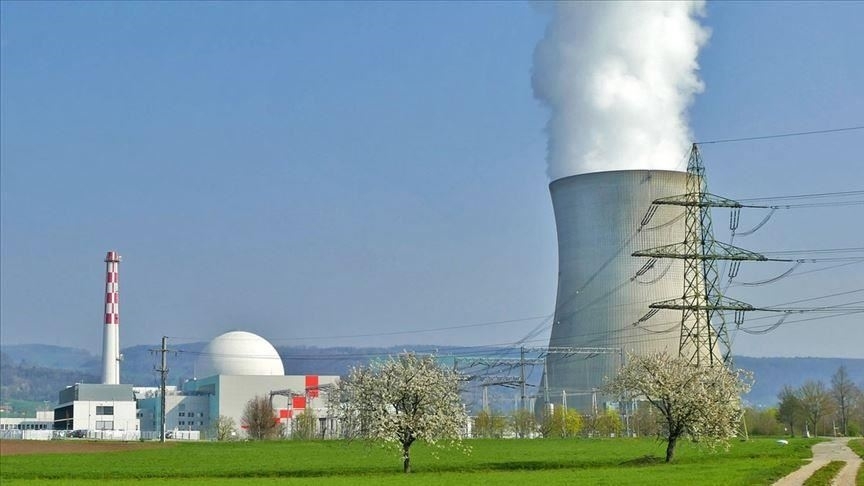
The Kashiwazaki-Kariwa Nuclear Power Plant is located on the western coast of Japan’s main island, Honshu, within the boundaries of Niigata Prefecture. The facility is situated on a vast area extending along the coastline of the towns of Kashiwazaki and the neighboring village of Kariwa, from which it derives its name. The plant is positioned along the shore of the Sea of Japan and has a direct infrastructure connection to the sea for cooling water supply. Its geographical location has necessitated a design approach that accounts for both marine-related risks (tsunamis, storm surges) and Japan’s high seismic activity. Consequently, the physical layout of the facility was planned by integrating elevation, coastal contours, and protective structures.
The total area of the plant site is approximately 4.2 square kilometers (420 hectares), making it one of the largest nuclear power plants in the world in terms of installed capacity. The facility consists of seven reactor units with a total installed electrical capacity of 8,212 megawatts. This capacity corresponds to a production potential sufficient to meet the electricity needs of millions of households. The plant is positioned as a strategic element in relation to Japan’s goals of energy supply security, economic stability, and reduction of greenhouse gas emissions. Within the context of Japan’s efforts to reduce dependence on fossil fuel imports, the scale of this facility plays a crucial role in the national energy system.
Kashiwazaki-Kariwa is regarded as one of the symbolic facilities of Japan’s nuclear electricity infrastructure. This status is not only due to quantitative indicators such as installed capacity and physical size but also because of the plant’s operational history, its experience with earthquakes, and its position in post-Fukushima safety debates. On one hand, the plant stands out for its high-capacity generation potential; on the other, it remains at the center of discussions concerning safety, regulatory oversight, and local social acceptance. This dual nature has rendered the facility a critical reference point in both Japanese energy policy and nuclear safety debates.

Kashiwazaki-Kariwa Nuclear Power Plant (TEPCO)
The construction of the Kashiwazaki-Kariwa Nuclear Power Plant began in the late 1970s and spanned approximately two decades. Construction of the first unit commenced in 1978, followed by the construction of subsequent units throughout the 1980s. The first unit was commissioned for commercial operation in 1985, with the remaining units gradually brought online during the 1990s. The commissioning of the seventh and final unit was completed in 1997. Thus, the plant emerged as one of Japan’s most ambitious and long-term nuclear energy projects, completed incrementally between 1978 and 1997.【1】
The facility incorporates both boiling water reactor (BWR) and advanced boiling water reactor (ABWR) technologies. Some reactor units employ classic BWR designs, while others use the newer ABWR designs. These reactors operate using uranium dioxide (UO₂) fuel elements, each equipped with separate turbine buildings, control rooms, and auxiliary systems. Major components such as reactor pressure vessels, containment structures, and suppression pools were constructed according to reinforced design criteria that account for Japan’s high seismic activity. The number of control rods, fuel assembly arrangements, and pressure vessel dimensions are based on detailed engineering calculations specific to each unit.
The overall site layout organizes reactor buildings, turbine buildings, high-voltage switchyards, emergency management centers, freshwater reservoirs, and various support infrastructures within a defined hierarchy. The high-voltage switchyard is responsible for connecting the plant to the external grid, enabling the transmission of electricity generated by the reactors to the national network and facilitating emergency external power supply during outages. The plant features a multilayered power supply system comprising emergency diesel generators, mobile gas turbine generators, and power units located at different elevations. Additionally, fire barriers, logistics routes, control buildings, and maintenance areas are strategically positioned to support both safety and operational continuity.【2】
The operational history of the Kashiwazaki-Kariwa Nuclear Power Plant reflects the fluctuations in Japan’s perception of nuclear energy. During the 1980s and 1990s, the plant operated as a major contributor to Japan’s electricity production, achieving high capacity utilization rates. Its economic appeal was supported by factors such as high output power and fuel efficiency, generating tax revenues and employment opportunities for local authorities. However, over time, the plant faced prolonged shutdowns due to natural disasters and nuclear safety debates, resulting in an operational lifespan that deviated significantly from its theoretical design life.
The July 2007 Chūetsu Offshore Earthquake marked a turning point in the plant’s history. During the quake, four reactors were operating and automatically shut down. Incidents including fires and limited radioactive leaks were reported at the facility. This event raised new public and regulatory concerns regarding the plant’s seismic resilience and equipment layout. Extensive inspections and reinforcement measures were conducted before the reactors were restarted. Nevertheless, the incident created a significant shift in public perception of the plant and became a reference point for subsequent debates.
The 2011 Great East Japan Earthquake and the subsequent tsunami, which triggered severe accidents at the Fukushima Daiichi Nuclear Power Plant, profoundly affected the future of Kashiwazaki-Kariwa, as it did for the entire Japanese nuclear sector. Like the majority of reactors in Japan, the Kashiwazaki-Kariwa units were shut down for an extended period following the Fukushima meltdowns and hydrogen explosions. This period necessitated a comprehensive review of nuclear safety regulations, the adoption of new standards, and extensive technical investments by existing plants to comply with these standards. During this time, Kashiwazaki-Kariwa became both a focal point for technical upgrades and a symbolic example in discussions about restarts.

Control room (TEPCO)
Following the Fukushima Daiichi accident, stricter regulations in Japan mandated the creation of additional safety layers against tsunamis and power outages. Analyses at Kashiwazaki-Kariwa indicated that the largest possible tsunami wave could reach up to 6.8 meters. In response, a seawall 15 meters high was constructed along the coastline. For the lower-elevation Units 1–4, steel-reinforced concrete barriers were installed; for the higher-elevation Units 5–7, additional protective lines supported by earth embankments were added. Thus, both primary and secondary defense lines were established to prevent direct tsunami impact on plant buildings.
A multilayered power supply system was also configured to address potential power outages. Mobile gas turbine generators placed at higher elevations are positioned to provide electricity for reactors and cooling systems during emergencies. In addition, diesel generators, portable generator units, and alternative switchgear connections form a redundant backup structure. To ensure continuous cooling water supply, a freshwater reservoir with a capacity of approximately 20,000 cubic meters was constructed, designed to serve as a backup source for cooling both reactor cores and spent fuel pools. Furthermore, fire pumps and water spray systems are configured to deliver external water directly to reactor buildings when needed.
The hydrogen explosions at Fukushima brought the issue of hydrogen accumulation and radiation release management in reactor buildings to the forefront. In response, Kashiwazaki-Kariwa installed catalytic systems in reactor buildings to prevent hydrogen concentrations from reaching hazardous levels. Additionally, filtered venting systems capable of releasing pressurized gases have been designed to reduce the concentration of radioactive particles released into the atmosphere. Waterproof doors, reinforced drainage systems, and sealed access points have been implemented across various sections of the facility to mitigate flood and water ingress risks. These technical measures are regarded as on-site implementations of the “defense in depth” approach.【3】
In the process of restarting Kashiwazaki-Kariwa, issues of safety culture, authentication, and physical protection have become as central as technical upgrades. In the second half of the 2010s, assessments concluded that Units 6 and 7 met the new safety standards and fulfilled the technical conditions for restart. However, security violations identified in 2020 and 2021 significantly altered the course of the process. It was discovered that an unauthorized individual had gained access to the plant’s central control room using an employee’s access card, and intrusion detection systems had remained offline for extended periods. These findings prompted a strong response from the regulatory authority. The incidents led to the recognition that the plant must be evaluated not only on technical safety standards but also on organizational and operational safety culture.
The Nuclear Regulation Authority (NRA) of Japan imposed a sanction halting all fuel-related activities at Kashiwazaki-Kariwa due to these security gaps. Under this decision, the delivery of new uranium fuel, fuel loading into reactors, and restart preparations were suspended. The authority demanded additional corrective measures concerning the physical protection of nuclear materials, the reliability of access control systems, and the functionality of unauthorized entry detection mechanisms. During this period, the plant operator publicly stated that it had implemented various technical and administrative improvements, including staff training and procedural updates. The regulatory body continued to monitor the implementation of these measures on-site.【4】
In subsequent developments, the NRA announced that it had lifted the corrective order that had fully blocked fuel activities, following improvements in the safety management system. Thus, the most significant regulatory barrier to the transport of new fuel and fuel loading into reactors was removed. However, the actual timing and sequence of the plant’s restart now depend not only on technical and regulatory conditions but also on approval processes by local authorities and regional communities. In this sense, Kashiwazaki-Kariwa has become one of the most visible test cases for the balance between nuclear energy’s future in Japan, public safety perceptions, and societal support.
The Kashiwazaki-Kariwa Nuclear Power Plant is not merely an energy production facility for the region but also a major economic actor. The plant directly employs thousands of people and generates indirect employment and income effects through maintenance, construction, and service sectors. Local budgets are significantly supported by nuclear fuel taxes, property and income taxes linked to the plant, and various subsidies and grants from the national government. It is noted that revenue derived from the plant constitutes a substantial portion of the budgets of Kashiwazaki and Kariwa local administrations, with a significant share of total revenues in some years directly or indirectly tied to the facility. This situation complicates political and social debates regarding the future of plant operations.
The prolonged shutdown of plant operations has also affected economic and demographic trends in the region. Reports indicate store closures in local commercial areas, contraction in the service sector, and outmigration of younger populations. It is stated that Kashiwazaki’s population declined noticeably between 2010 and 2020, the average age increased, and similar trends were observed in the village of Kariwa. This scenario has strengthened arguments for restarting the reactors based on employment and economic revitalization. Conversely, it is evident that not all segments of the local population share the same stance; public opinion polls continue to show cautious or opposing views due to concerns about nuclear safety and potential accident risks.
From the perspective of Japan’s overall energy policy, the future of Kashiwazaki-Kariwa is directly linked to the question of how nuclear energy should be positioned within the national energy mix. Reducing fossil fuel imports, lowering greenhouse gas emissions, and achieving the 2050 carbon neutrality target have all contributed to reviving interest in nuclear power. Within this framework, restarting large-capacity and modernized nuclear plants has become part of efforts to balance energy supply security with climate policy goals. Kashiwazaki-Kariwa, with its technical capacity, transformation process, and safety agenda, stands out as one of the most concrete examples in these debates and occupies a central position in the ongoing political, technical, and social evaluations of nuclear energy’s future in Japan.
[1]
TEPCO – Tokyo Electric Power Company. “Kashiwazaki-Kariwa Nuclear Power Station Facilities.” Erişim: 22 Aralık 2025. https://www.tepco.co.jp/en/hd/ourbusiness/nuclear/kashiwazaki-kariwa/facilities/index-e.html
[2]
Nippon.com. “Nuclear Power in Japan: Safety at Kashiwazaki-Kariwa Remains an Issue.” Erişim: 22 Aralık 2025. https://www.nippon.com/en/in-depth/d00687/
[3]
Nippon.com. “Nuclear Power in Japan: Safety at Kashiwazaki-Kariwa Remains an Issue.” Erişim: 22 Aralık 2025. https://www.nippon.com/en/in-depth/d00687/
[4]
Dünya Enerji Konseyi Türkiye. “Japonya dünyanın en büyük nükleer santralini yeniden faaliyete geçiriyor.” Erişim: 22 Aralık 2025. https://dunyaenerji.org.tr/japonya-dunyanin-en-buyuk-nukleer-santrali-yeniden-faaliyete-geciyor/

No Discussion Added Yet
Start discussion for "Kashiwazaki-Kariwa Nuclear Power Plant" article
Construction Process, Reactors, and Technical Features
Operational History, Earthquakes, and Post-Fukushima Status
Security Measures, Seismic and Tsunami Protection
Security Violations, Regulatory Oversight, and Restart Discussions
Impacts on Local Communities and Japanese Energy Policy