This article was automatically translated from the original Turkish version.
+2 More
Location | Cumhuriyet Square Türkiye Kayseri Kocasinan | ||||||||
|---|---|---|---|---|---|---|---|---|---|
Construction Date(s) | 1585 | ||||||||
Architect(s) | Mimar Sinan | ||||||||
Architectural Style(s) | Classical Ottoman Architecture | ||||||||
Building Material | Cut Stone and Lead Cladding | ||||||||
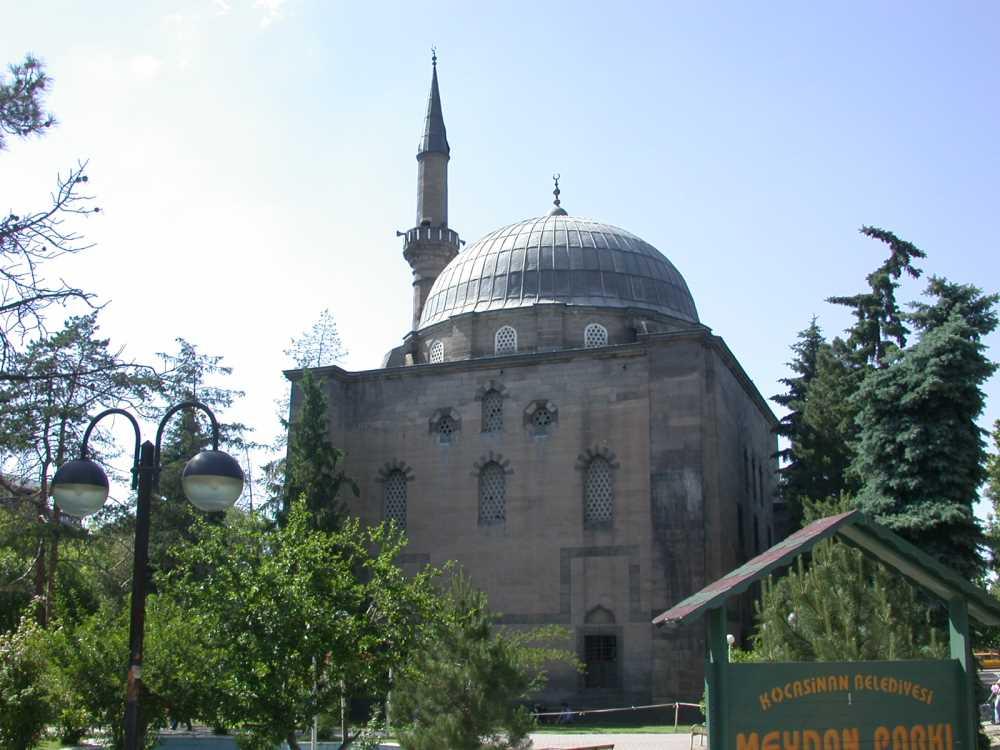
Kurşunlu Camii is an important place of worship in the city center of Kayseri, Türkiye, located on Cumhuriyet Meydanı, and exemplifies Ottoman classical architecture. It was constructed between 1585 and 1586 by Mimar Sinan, the most renowned name in Ottoman architecture. It is the only surviving work of Mimar Sinan in Kayseri, his birthplace.

Kurşunlu Camii (Anadolu Agency)
Mimar Sinan contributed various structures to Kayseri, his birthplace, but all except Kurşunlu Camii have been lost over time. According to Evliya Çelebi, Kanuni Sultan Süleyman stayed at the Hüseyin Bey Hamamı in Kayseri during his Baghdad campaign. Sinan’s other work in the city, the Hacı Osman Paşa Camisi, has not survived to the present day. According to Prof. Dr. Osman Özsoy, Kurşunlu Camii is one of the structures Sinan built both in Kayseri and during the final years of his life. Built when he was approximately 97 years old, this mosque is also regarded as one of his final works across the empire.
The mosque features a single-domed plan that reflects the measured and balanced structure of classical Ottoman architecture. The single-piece marble entrance door draws attention with its rich stonework and muqarnas decorations. The minbar, mihrap and kürsü inside the mosque are also constructed from marble.
In addition to the main dome, smaller domes are present on the roof structure. All these domes are covered entirely with solid lead without any cost-saving measures. The leaden hue of the domes is what gave the mosque its popular name, Kurşunlu Camii. The muqarnas decorations at the junctions of the supporting columns and arches demonstrate a balanced integration of aesthetic and structural elements.
Kurşunlu Camii was not merely a place of worship in the past; it was part of a larger külliye complex. It was constructed together with an ashv, a large 13–14 hearth han, a medrese, and a hamam. This integrated complex has been disrupted over time, and today only the mosque remains standing.
In Kayseri, where Seljuk architectural examples are abundant, Kurşunlu Camii stands out as a rare representative of Ottoman classical architecture. The mosque’s simple and elegant interior spatial arrangement reflects the aesthetic sensibilities of its era, while the high-quality building materials and craftsmanship reveal Mimar Sinan’s mastery even in advanced age.
Altın, Alper. “Kurşunlu Camii (Kayseri).” *Türkiye Turizm Ansiklopedisi*. 2019. Accessed June 25, 2025. https://turkiyeturizmansiklopedisi.com/kursunlu-camii-kayseri
Anadolu Ajansı. “Mimar Sinan’ın Eseri Kurşunlu Camisi İhtişamını Koruyor.” Accessed June 25, 2025. https://www.aa.com.tr/tr/kultur-sanat/mimar-sinanin-eseri-kursunlu-camisi-ihtisamini-koruyor/1111777
T.C.Kocasinan Kaymakamlığı Governorship. “Kurşunlu Camii.” Accessed June 25, 2025. http://www.kocasinan.gov.tr/kursunlu-camii
Türkiye Kültür Portalı. "Kurşunlu Camii (Mimar Sinan Camii) - Kayseri." Accessed June 25, 2025. https://www.kulturportali.gov.tr/turkiye/kayseri/gezilecekyer/kursunlu-camii-mimarsinan-camii

Location | Cumhuriyet Square Türkiye Kayseri Kocasinan | ||||||||
|---|---|---|---|---|---|---|---|---|---|
Construction Date(s) | 1585 | ||||||||
Architect(s) | Mimar Sinan | ||||||||
Architectural Style(s) | Classical Ottoman Architecture | ||||||||
Building Material | Cut Stone and Lead Cladding | ||||||||
No Discussion Added Yet
Start discussion for "Kayseri Kurşunlu Camii" article
Architectural Features
Külliye Character
Cultural and Artistic Value