

This article was automatically translated from the original Turkish version.
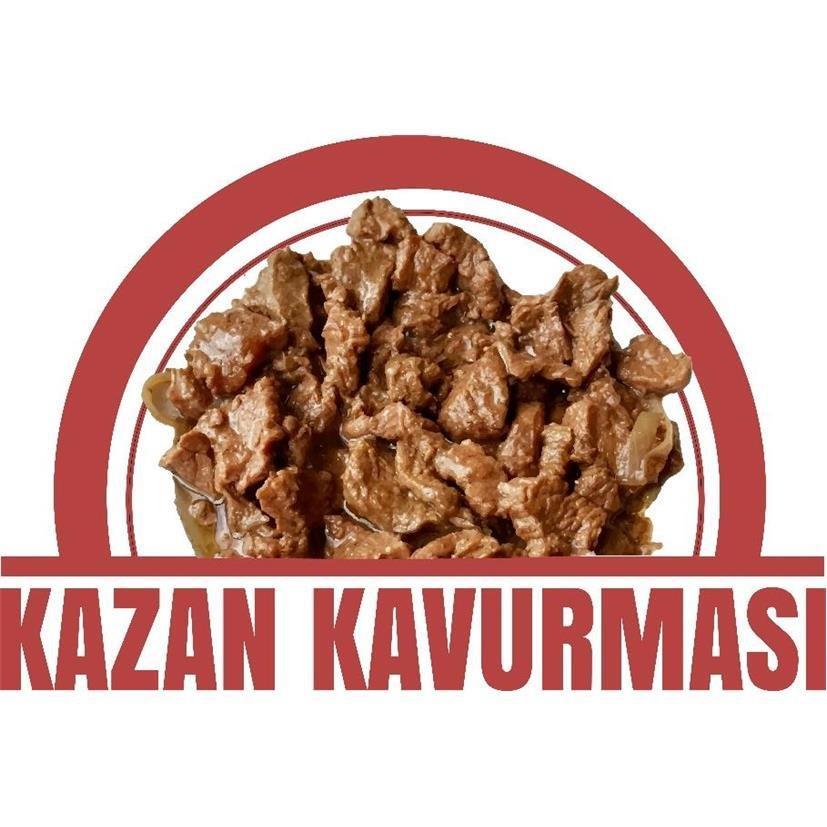
Kazan kavurması is a protected geographical indication dish registered with the Türk Patent ve Marka Kurumu on 20 September 2022 under registration number 1225, specific to the district of Kahramankazan in the province of Ankara. This product, registered by the Kahramankazan Municipality, is a tender variety of kavurma made from beef, dried onion, solid fat, and salt, with deep roots and significant cultural importance in the regional culinary tradition.
Kazan kavurması consists of lean beef from the foreleg of calves, cleaned of sinew and fat, combined with dried onion, solid fat, and salt. No additives, including spices, are permitted in the product. The beef used in production is sourced exclusively from calves aged 1.5 to 2 years and is not subjected to stunning or aging processes. The solid fat used in production is either butter, margarine, or fat obtained by boiling bone broth. The standard portion size is 150 grams.
The beef used in the production of Kazan kavurması is obtained from calves aged 1.5 to 2 years, raised within the geographical boundary (Kahramankazan) and fed on the region’s unique native grasses.
The geographical boundary for Kazan kavurması is the district of Kahramankazan in the province of Ankara. Due to its historical origins, its significance in the regional culinary culture, and the requirement that the beef be sourced from animals raised within this boundary, all stages of production must take place within this defined geographical area.
The monitoring of the geographical indication for Kazan kavurması is carried out by a minimum two-member monitoring body, coordinated by the Kahramankazan Municipality, with participation of one expert from the Kahramankazan District Directorate of Agriculture and Forestry. Monitoring inspections are conducted regularly at least once a year, as well as whenever a complaint is received or deemed necessary. All inspection reports are submitted regularly to the Türk Patent ve Marka Kurumu.
Monitoring criteria include:

Product Characteristics
Production Method
Geographical Boundary
Monitoring