


This article was automatically translated from the original Turkish version.
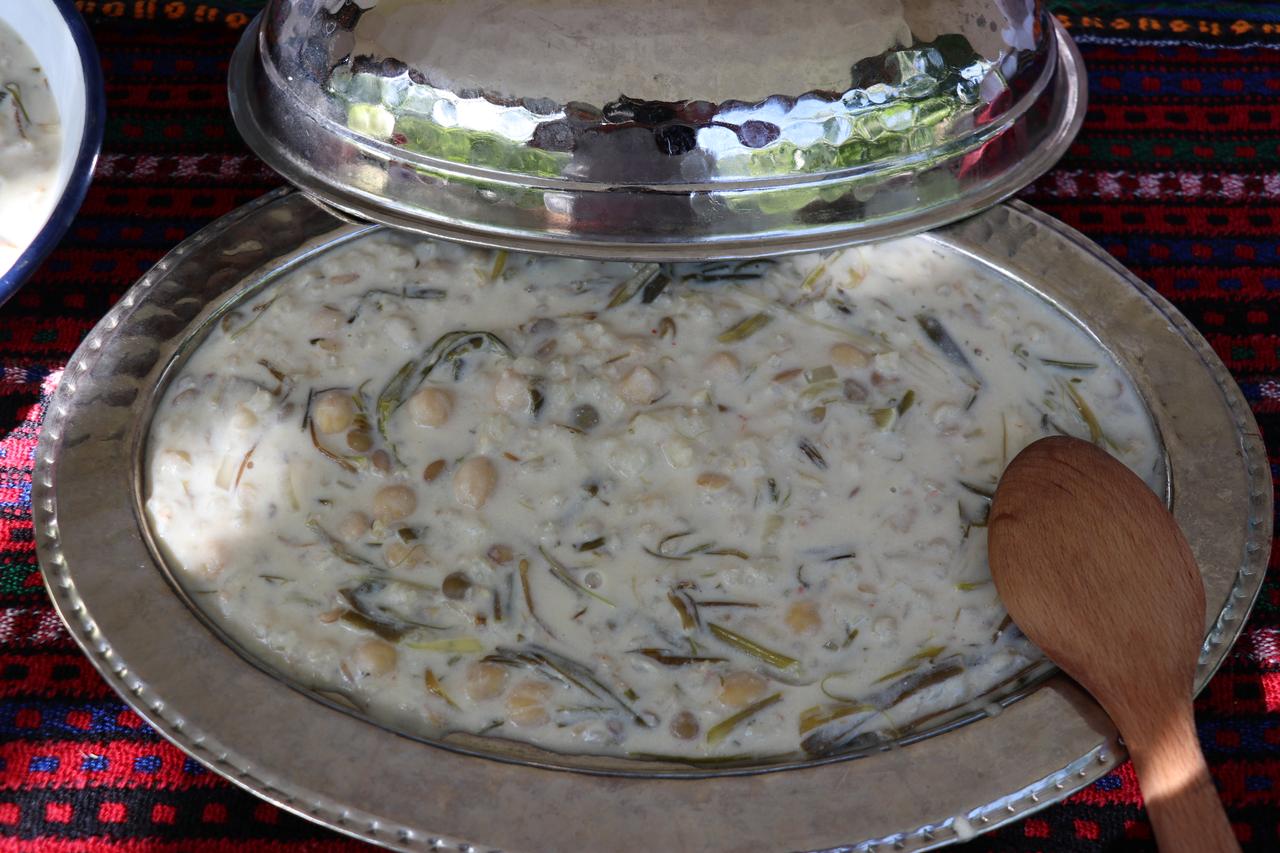
Keledoş
Main Materials | Dried meat, Crushed wheat, Chickpeas, Bone-in meat | ||||||||
|---|---|---|---|---|---|---|---|---|---|
Preparation Time | 6–8 hours (including cooking) | ||||||||
Registration Status | Geographically indicated (2017) | ||||||||
Presentation Format | Main dish served hot | ||||||||
Cultural Role | Winter provisions, Collective production tradition | ||||||||
Keledoş is a traditional dish native to Turkey’s Eastern Anatolia Region, particularly associated with the provinces of Van, Bitlis, Muş, and Hakkâri. It is prepared using dried ingredients such as dried yogurt (kurut), crushed wheat, chickpeas, and meat. With roots stretching back centuries, this dish evolved in response to the region’s climatic conditions and nomadic-pastoral traditions, becoming a nutritious food item that can be stored for long periods and is commonly shared within communities. The use of kurut not only imparts a distinctive flavor to the dish but also extends its shelf life.
The history of Keledoş extends back many centuries and is directly linked to the pastoral lifestyle of the region. The intensive use of “kurut,” a method of food preservation employed by nomadic communities, is a key trace of this tradition. Additionally, this dish is a significant example of collective food production practiced in preparation for winter. Its preparation by women through the imece system—community-based cooperative labor—has strengthened social solidarity.
The preparation of Keledoş is a lengthy and meticulous process. The main ingredients are:
Traditionally, the dish is cooked for several hours in bronze cauldrons and earthenware ovens placed over open fires. Its thick consistency and tangy aroma create a unique flavor profile.
In 2017, following an application by the Van Chamber of Commerce and Industry, Keledoş was granted geographical indication status by the Turkish Patent and Trademark Office under the name “Van Keledoşu.” This registration aims to protect the regional recipe and document its traditional production methods.
Keledoş is consumed in social contexts such as winter preparations, weddings, holidays, and collective food production events within the local community. In rural areas, it is often prepared in large cauldrons during specific times of the year, portioned out, and preserved through drying or storage in cool environments. Today, it also appears on restaurant menus and is sought after by both local populations and those interested in gastronomic tourism.

Traditional Keledoş Dish (Source: Anadolu Agency)
Accessed November 26, 2025.
Anadolu Ajansı. "TÜRKPATENT'ten 23 ürüne 'coğrafi işaret' tescili." Accessed June 1, 2025.
Anadolu Ajansı. "Van ve Ağrı arasında rekabet başlatan lezzet: \"Keledoş\"." Accessed June 1, 2025.
Türk Patent ve Marka Kurumu. "Van Keledoşu - Coğrafi İşaretler Portalı." Accessed June 1, 2025.

Keledoş
Main Materials | Dried meat, Crushed wheat, Chickpeas, Bone-in meat | ||||||||
|---|---|---|---|---|---|---|---|---|---|
Preparation Time | 6–8 hours (including cooking) | ||||||||
Registration Status | Geographically indicated (2017) | ||||||||
Presentation Format | Main dish served hot | ||||||||
Cultural Role | Winter provisions, Collective production tradition | ||||||||
History and Origin
Preparation
Step-by-Step Preparation
Geographical Indication and Legal Protection
Cultural Function and Consumption Patterns