


+2 More

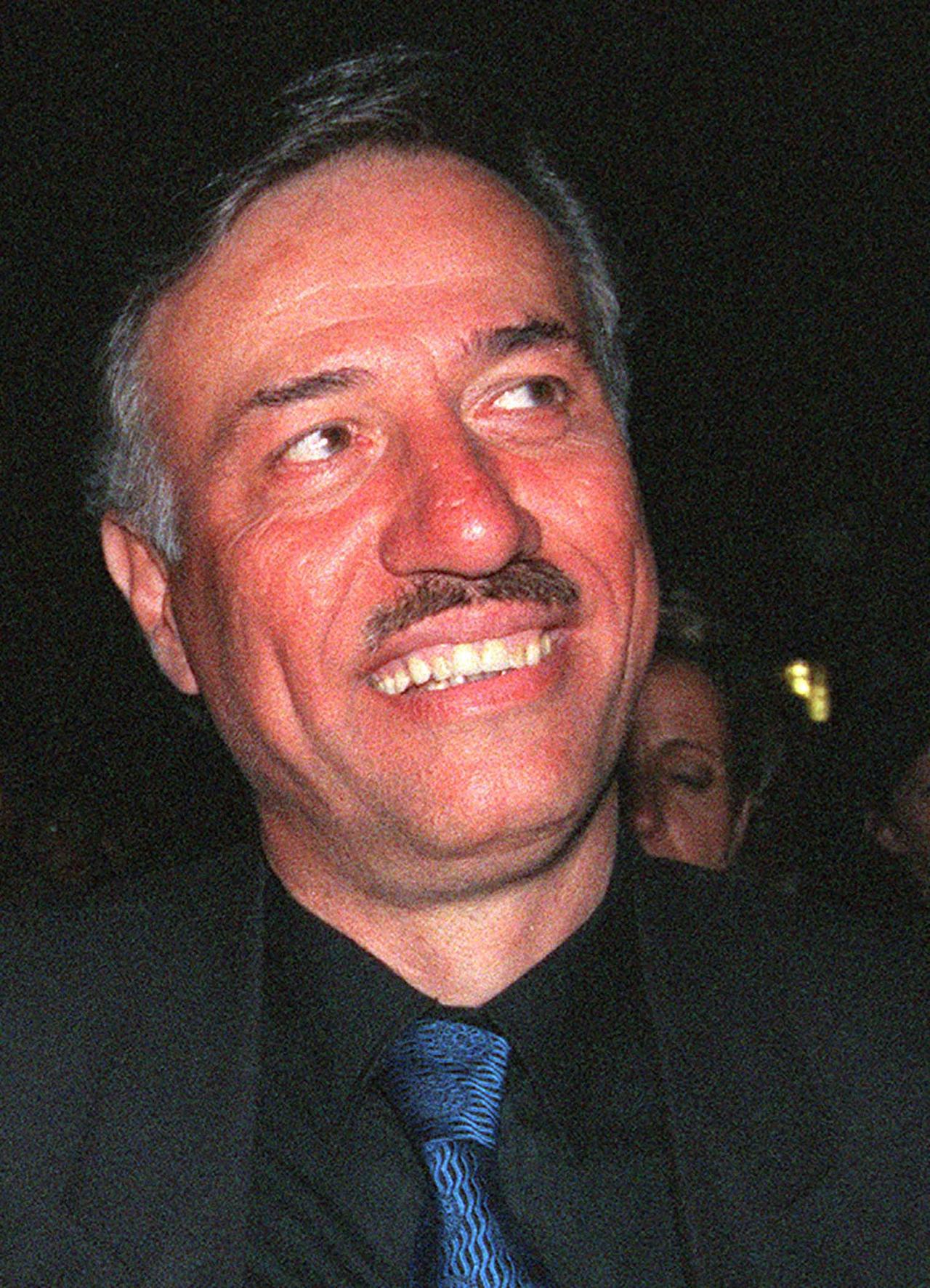
(Anadolu Ajansı)
Kemal Sunal
Place of Death | Istanbul/Zincirlikuyu Cemetery | ||||||||
|---|---|---|---|---|---|---|---|---|---|
Place of Birth | Istanbul | ||||||||
Ölüm tarihi | 2000-07-03 | ||||||||
Doğum tarihi | 1944-11-11 | ||||||||
Spouse(s) | Gül Sunal (1974–2000) | ||||||||
Child | Ali Sunal Ezo Sunal | ||||||||
Zodiac Sign | Akrep | ||||||||
Profession(s) | Theater and Film Actor | ||||||||
Career Start | 1964 (Theater) – 1972 (Film) | ||||||||
Kemal Sunal (1944–2000) is one of the most celebrated actors in Turkish cinema. Born on 11 November 1944 in Istanbul, Sunal is particularly renowned for his roles in comedy films. He began his acting career at the Istanbul Municipal Theatres before transitioning to cinema.
Sunal made his move to cinema in the late 1960s and became one of Turkey’s leading comedy actors from the 1970s onward. Especially during the 1980s, he starred in iconic Turkish films such as Hababam Sınıfı, Şaban Oğlu Şaban, and Salak Milyoner, reaching a wide audience. Sunal’s style became synonymous with characters who were innocent, well-meaning, and drawn from ordinary people. The sincerity of these characters resonated deeply with audiences and established him as one of Turkish cinema’s most important comedy actors.
One of the key contributions Sunal made to cinema was his ability not only to entertain but also to convey social messages. The films he appeared in addressed the social structure of the era, the hardships faced by the public, and questions of justice, all while using humorous language to make audiences laugh.
One of the most significant films in Sunal’s career is the 1975 movie Hababam Sınıfı. This film marked a turning point in his cinematic journey and remains one of his most remembered projects. After his breakout role in Hababam Sınıfı, Sunal continued to appear in numerous films throughout the 1980s and 1990s. Movies such as Süt Kardeşler, Vizontele, and Tosun Paşa are among the most important parts of his acting career.
Outside of acting, Sunal is also known for his deep involvement in theatre. The experience he gained on stage from a young age greatly influenced his cinematic performances. His talent for blending humour and drama enabled him to be recognized not merely as a comedy actor but as a versatile performer with a broad artistic range.
Kemal Sunal was born on 11 November 1944 in the Zeytinburnu district of Istanbul. His family supported his interest in a career in the arts from an early age. His father worked as a labourer while his mother was a homemaker. The family’s financial situation was modest. Sunal grew up in Zeytinburnu and began his education there. After completing primary school, his interest in theatre grew during his middle and high school years. Although he was accepted into the Electrical Engineering Faculty of Istanbul University, he left the programme due to his passion for theatre and enrolled at the Istanbul Municipal Conservatory. This training provided him with a solid foundation for entering both theatre and cinema.

Kemal Sunal was a figure who built strong bonds with the public throughout his life. Friends and family described him as sincere, honest, and deeply connected to ordinary people. He was also widely regarded as humble and down-to-earth, both in his personal life and in his public persona. In 1978, Sunal married Gülben Sunal and the couple had two children. He led a simple life with his wife and children, preferring to stay away from the media and the public eye.
In his acting, Kemal Sunal became closely associated with characters who were innocent, naive, and able to understand the language of the people. Many of these characters were individuals who struggled to find their place in society or belonged to its lower classes, yet remained optimistic and resilient. Sunal did not merely aim to make audiences laugh through these roles; he also sought to convey messages that questioned social structures and emphasized justice and equality. The fact that his characters made audiences laugh while also prompting reflection is considered one of the key factors behind his cinematic success.
The simplicity of Kemal Sunal’s personal life contributed significantly to his popularity. Beyond cinema, he frequently performed on stage in theatre, where his dramatic abilities were also widely praised by audiences and critics. His personal life was shaped by a preference for a quiet existence away from the spotlight and fame. Even outside cinema, he remained inwardly focused and approached his professional career with the same seriousness.
Kemal Sunal began his career in Turkish cinema in the late 1960s. After being accepted into the Electrical Engineering Faculty, he chose not to continue his studies due to his passion for theatre and enrolled at the Istanbul Municipal Conservatory. The training he received there enhanced his theatrical skills and facilitated his transition to cinema. After graduating from the Istanbul Municipal Conservatory in the 1970s, he started his acting career on stage and entered the world of cinema in 1973.
Sunal’s cinematic debut came with the 1973 film Kızgın Delikanlı. However, it was his role in the 1975 film Hababam Sınıfı that brought him widespread recognition and established him as a major figure in Turkish cinema. His portrayal of the character “İnek Şaban” significantly increased his fame and became a turning point in his career. Hababam Sınıfı went beyond being a simple comedy by offering critical insights into the social structure of the time, solidifying Sunal’s place in cinema. His acting style was typically linked to innocent, sincere, and ordinary characters. These roles revealed both the dramatic and humorous aspects of individuals from lower social classes, earning him a broad audience.
Kemal Sunal’s contributions to cinema extended beyond his acting. His unique narrative style, social messages, and deep connection with the public form the core elements of his cinematic legacy. Sunal elevated the comedy genre in Turkish cinema by introducing social commentary alongside humour, diverging from traditional comedic approaches. Especially during the 1980s, the cinematic landscape evolved in parallel with the political and social climate of the time, and Sunal created characters that reflected this atmosphere.
The language Sunal used in his films aimed to portray everyday life in simple yet powerful ways. Often portraying innocent and naive characters, he presented society through the eyes of ordinary people. The naivety of his characters served as a vehicle to explore themes such as social injustice, equality, and fairness, becoming tools of social critique. In films such as Tosun Paşa, Sunal addressed important issues like slavery, wealth disparity, and class differences through humour, while also offering subtle suggestions for solutions to his audience.
Another significant aspect of Sunal’s contribution to cinema was his relationship with the public. As an actor who could connect with diverse segments of society, he reached a wide audience in cinemas and on television screens. This bond set him apart in the world of cinema. Through his social messages and humorous perspective, Sunal’s cultural legacy has become increasingly prominent over time.
Kemal Sunal passed away at the age of 56 in 2000 due to an unexpected heart attack. His death was regarded as a major loss to Turkish cinema and met with profound sorrow across broad sections of society. Sunal became a figure whose characters left a lasting impression on the public memory, and his passing left a significant void in Turkish cinema. His death had a wide impact not only within the film industry but also socially.
One of Sunal’s most important contributions to cinema was his creation of characters who spoke the language of the people and embodied their struggles. The characters he portrayed were depicted as innocent, well-intentioned, and ordinary individuals, allowing audiences to identify with them. Films such as Hababam Sınıfı, Tosun Paşa, and Süt Kardeşler humorously examined the social structure of their time and offered commentary on issues of justice, equality, and human rights. Sunal contributed to Turkish cinema not only through comedy elements but also by participating in works that contained social criticism.
Sunal’s legacy lies not only in the characters he portrayed but also in the social messages embedded in his films. His movies offer glimpses into the emotional and social life of the Turkish people and, through the bond he forged with the public, have transformed into a cultural heritage. After his death, his contributions to cinema and the characters he created continue to be remembered among the most important works in Turkish cinema history.

As one of the most recognized comedy actors in Turkish cinema, Kemal Sunal appeared in 82 different films:
This program hosted by Kemal Sunal helped increase his recognition and popularity on television. It featured various humorous sketches and comedic characters.
Kemal Sunal starred as the lead in this series, which combined comedy and drama. The show depicted the lives of two siblings within a family and provided viewers with enjoyable moments.
In the 1980s, Kemal Sunal appeared in several television comedy programmes, showcasing his humorous talents. These programmes featured popular comedic sketches and humorous stories designed to entertain the public.
In the 1990s, Kemal Sunal played a role in a television series depicting the life of Süleyman Hilmi Tunahan. However, there is limited information available regarding the exact title and details of this project.
Kemal Sunal occasionally participated in special television programmes that highlighted his contributions to Turkish cinema and his cinematic history.
Sunal, bridging theatre and cinema, occasionally had theatrical performances broadcast on television channels.
Biyografiler.com. "Kemal Sunal." Accessed March 13, 2025. https://www.biyografiler.com/kimdir/kemal-sunal.
Biyografya.com. "Kemal Sunal." Accessed March 13, 2025. https://www.biyografya.com/tr/biographies/kemal-sunal-953832b5.
CinemaTürk. "Kemal Sunal." Accessed March 13, 2025. https://www.sinematurk.com/kisi/1774/kemal-sunal.
IMDb. "Kemal Sunal Filmography." Accessed March 13, 2025. https://www.imdb.com/name/nm0835619/.
Kara, H. (2008). Türk Sineması ve Kemal Sunal. Ankara: Türk Sineması Araştırmaları Derneği.
Konya Postası. "Kemal Sunal." Accessed March 13, 2025. https://www.konyapostasi.com.tr/biyografiler/kemal-sunal-3.
Çalışkan, S. (2012). Kemal Sunal’ın Sinemada Dönüşümü: Sosyal Eleştiri ve Komedi Üzerine. İstanbul: Sinema Akademisi Yayınları.
Çağlar, M. (2006). Kemal Sunal’ın Sinemaya Katkıları ve Toplumsal Mesajları. İstanbul: Sinema Yayınları.

(Anadolu Ajansı)
Kemal Sunal
Place of Death | Istanbul/Zincirlikuyu Cemetery | ||||||||
|---|---|---|---|---|---|---|---|---|---|
Place of Birth | Istanbul | ||||||||
Ölüm tarihi | 2000-07-03 | ||||||||
Doğum tarihi | 1944-11-11 | ||||||||
Spouse(s) | Gül Sunal (1974–2000) | ||||||||
Child | Ali Sunal Ezo Sunal | ||||||||
Zodiac Sign | Akrep | ||||||||
Profession(s) | Theater and Film Actor | ||||||||
Career Start | 1964 (Theater) – 1972 (Film) | ||||||||
Family and Early Life
Personal Life and Character
Beginning of His Cinema Career and Early Milestones
Contributions to Cinema and Cinematic Philosophy
Death and Legacy
Projects He Appeared In
Television Programs Kemal Sunal Appeared In