This article was automatically translated from the original Turkish version.
+1 More
Registration Number | 813 | ||||||||
|---|---|---|---|---|---|---|---|---|---|
Registration Date | 27.07.2021 | ||||||||
Application Number | C2020/401 | ||||||||
Application Date | 16.11.2020 | ||||||||
Name of the Geographical Indication | Kemaliye Dutu / Eğin Dutu | ||||||||
Product / Product Group(s) | Dut / Processed and unprocessed fruits vegetables and mushrooms | ||||||||
Type of Geographical Indication | Place of origin | ||||||||
Applicant/Registrant(s) | Kemaliye Municipality | ||||||||
Geographical Boundary | Kemaliye District Erzincan Province | ||||||||
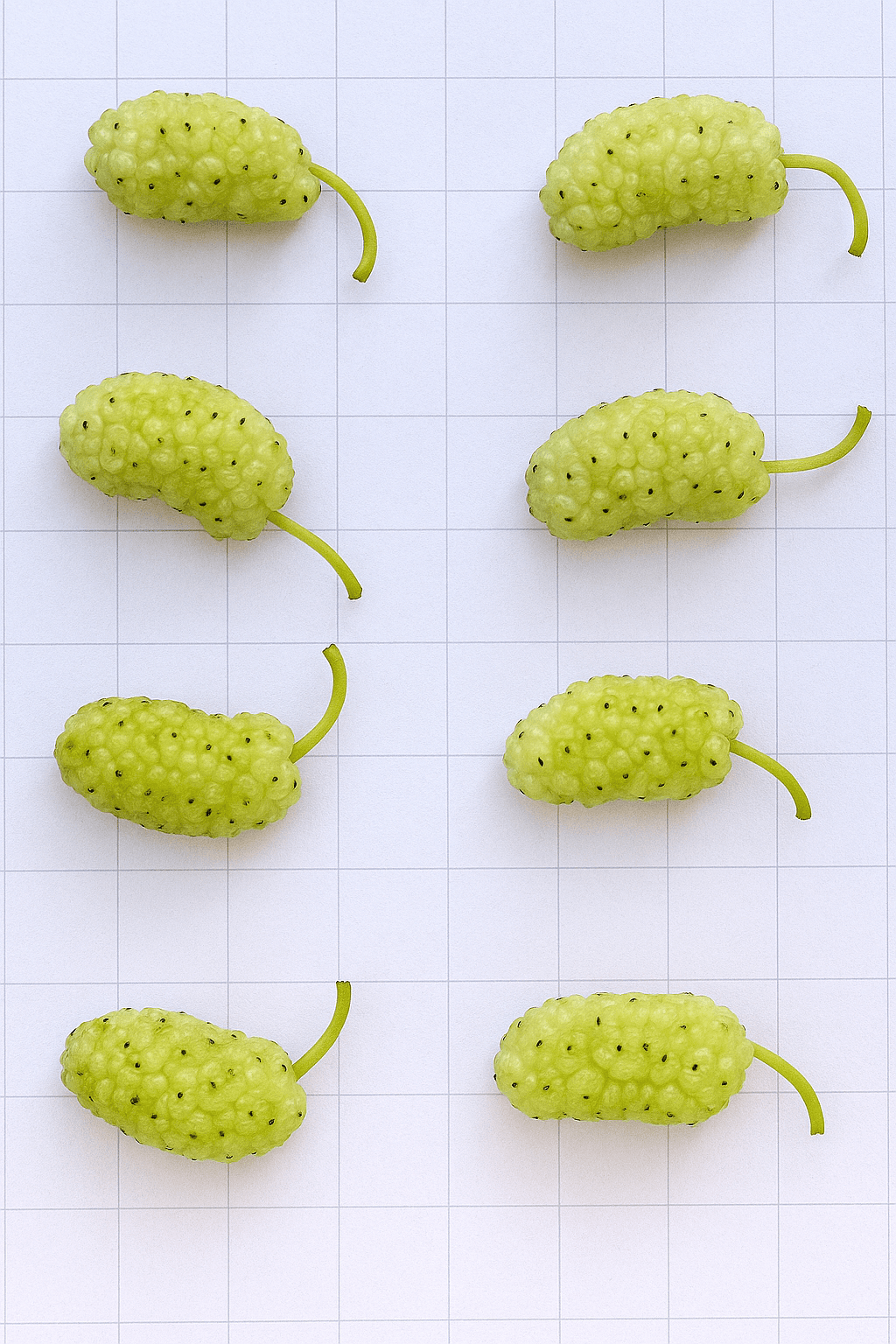
Kemaliye mulberry / Eğin mulberry is a mulberry variety native to Kemaliye district of Erzincan province in Türkiye, distinguished by its seedless structure and white fruit color, belonging to the species Morus alba L. The harvesting season begins in June and lasts approximately three months.
The Kemaliye mulberry / Eğin mulberry is a mulberry variety notable for its seedless fruit and typically white-colored yield. This variety is predominantly propagated through vegetative methods and consists of numerous tree populations with similar phenotypes and genotypes. Mulberry cultivation in the district has become deeply integrated with the local cultural identity. For propagation, scions from Kemaliye mulberry trees are grafted onto rootstocks derived from white mulberry seeds. Seedling production is achieved through various vegetative methods including grafting, shoot-eye grafting, and dormant-eye grafting. Additionally, propagation is possible through cuttings, layering, and tissue culture.
The Kemaliye district offers suitable conditions for mulberry cultivation due to its clay-loam soil structure, orchards located at varying elevations, and continental climatic features. The significant temperature difference between day and night is a critical environmental factor influencing fruit sweetness and chemical composition. This temperature variation increases the soluble dry matter (SDM) content and drying yield of the fruit, enhancing its commercial viability.
The Kemaliye mulberry / Eğin mulberry exhibits fruit weights ranging from 0.4 to 3.5 grams, fruit widths of 8 to 19 mm, lengths of 12 to 32 mm, and peduncle lengths of 4.5 to 15 mm during harvest. Fresh fruits display a white color, while dried fruits show color variations from white-yellow to brown-yellow. The SDM content is at least 17%, juice yield at least 59%, and drying yield at least 25%. Due to its short shelf life after harvest, the product is typically marketed either fresh or dried.
Kemaliye mulberry / Eğin mulberry is generally cultivated as boundary trees or individual specimens in orchards. In enclosed orchards, planting spacings of 8x8 m, 9x9 m, or 10x10 m are recommended. Seedling planting is carried out from leaf fall in autumn until sap flow begins in spring. Irrigation is traditionally performed using flood irrigation, though modern methods such as drip and mini-sprinkler systems are also recommended. A key consideration in flood irrigation is preventing water contact with the root collar.
Soil cultivation operations should be conducted in spring and autumn without damaging the root system. Well-composted animal manure is preferred for fertilization. Pruning is applied according to the tree’s growth stage and includes shaping pruning, yield pruning, and rejuvenation pruning. Pruning is performed during the tree’s dormant period, and cut surfaces are sealed with grafting wax. Weed control and pest management are carried out in accordance with current regulations.
Harvesting of Kemaliye mulberry / Eğin mulberry begins in the first week of June and lasts approximately three months. Fruits intended for drying are typically collected after June 21. Harvesting is performed using various methods including hand-picking, shaking the trees, and collecting fallen fruits on nets. Drying is carried out by spreading the fruits on racks and exposing them to sunlight. Dried fruits are subsequently cleaned of foreign matter and packaged.
Due to their short shelf life, fresh fruits are stored briefly in dry, cool, and odor-free environments. The dried product is presented to consumers in packaging compliant with food regulations, accompanied by proper labeling, and may be stored at ambient temperature or under refrigeration.
The production and marketing processes of Kemaliye Mulberry / Eğin Mulberry are monitored by a control body established under the coordination of Kemaliye Municipality and composed of at least three members. This body includes representatives from Kemaliye Municipality, Erzincan Binali Yıldırım University Kemaliye Hacı Ali Akın Vocational School, Kemaliye Chamber of Trades and Crafts, and Kemaliye District Directorate of Agriculture and Forestry. Monitoring is conducted at least once annually, and additional inspections may be carried out upon complaint. During the monitoring process, compliance with geographical indication and registration documents, adherence to production methods, and labeling standards are evaluated. Any identified non-conformities are reported to the relevant individuals or institutions. Monitoring reports are prepared annually and submitted to the Turkish Patent and Trademark Office.
Turk Patent and Trademark Office. "Kemaliye Dutu / Eğin Dutu." Turk Patent and Trademark Office. Accessed July 20, 2025. https://ci.turkpatent.gov.tr/Files/GeographicalSigns/f645b06e-7603-4be6-94c6-b6173aac73f0.pdf.
Turk Patent and Trademark Office. "Kemaliye Dutu / Eğin Dutu." Turk Patent and Trademark Office. Accessed July 20, 2025. https://ci.turkpatent.gov.tr/cografi-isaretler/detay/2962.

Registration Number | 813 | ||||||||
|---|---|---|---|---|---|---|---|---|---|
Registration Date | 27.07.2021 | ||||||||
Application Number | C2020/401 | ||||||||
Application Date | 16.11.2020 | ||||||||
Name of the Geographical Indication | Kemaliye Dutu / Eğin Dutu | ||||||||
Product / Product Group(s) | Dut / Processed and unprocessed fruits vegetables and mushrooms | ||||||||
Type of Geographical Indication | Place of origin | ||||||||
Applicant/Registrant(s) | Kemaliye Municipality | ||||||||
Geographical Boundary | Kemaliye District Erzincan Province | ||||||||
No Discussion Added Yet
Start discussion for "Kemaliye Mulberry / Eğin Mulberry" article
Botanical Genetic Characteristics
Ecological Conditions and Growing Environment
Physical and Chemical Properties
Cultivation and Agricultural Practices
Harvesting, Drying, and Storage
Monitoring Mechanism