
badge icon

This article was automatically translated from the original Turkish version.

Article

Konya Sac Arası

Gastronomy

+1 More

Quote
Geographical Indication
Mahreç
Registration Date
11.10.2021
Registrant
Konya Metropolitan Municipality
Geographical Boundary
Konya Province

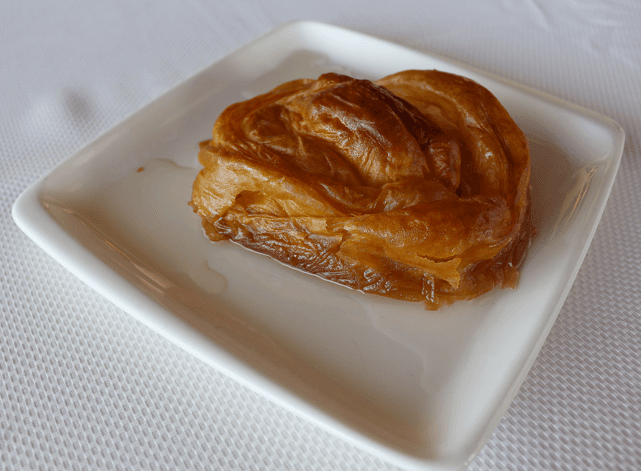
Konya Sac Arası is one of the distinctive and traditional desserts of Konya cuisine. The dessert is prepared by layering thin sheets of dough with kaymak and is presented in a rose shape. It is a syrup-soaked dessert with roots extending to antiquity; its name derives from the traditional method of baking it between two metal plates. Preparing the dough to the correct consistency, rolling the sheets into extremely thin layers, and baking them require considerable skill. Konya Sac Arası is featured in numerous cookbooks and academic studies on Konya cuisine; thus, the dessert has a geographical link to its reputation.
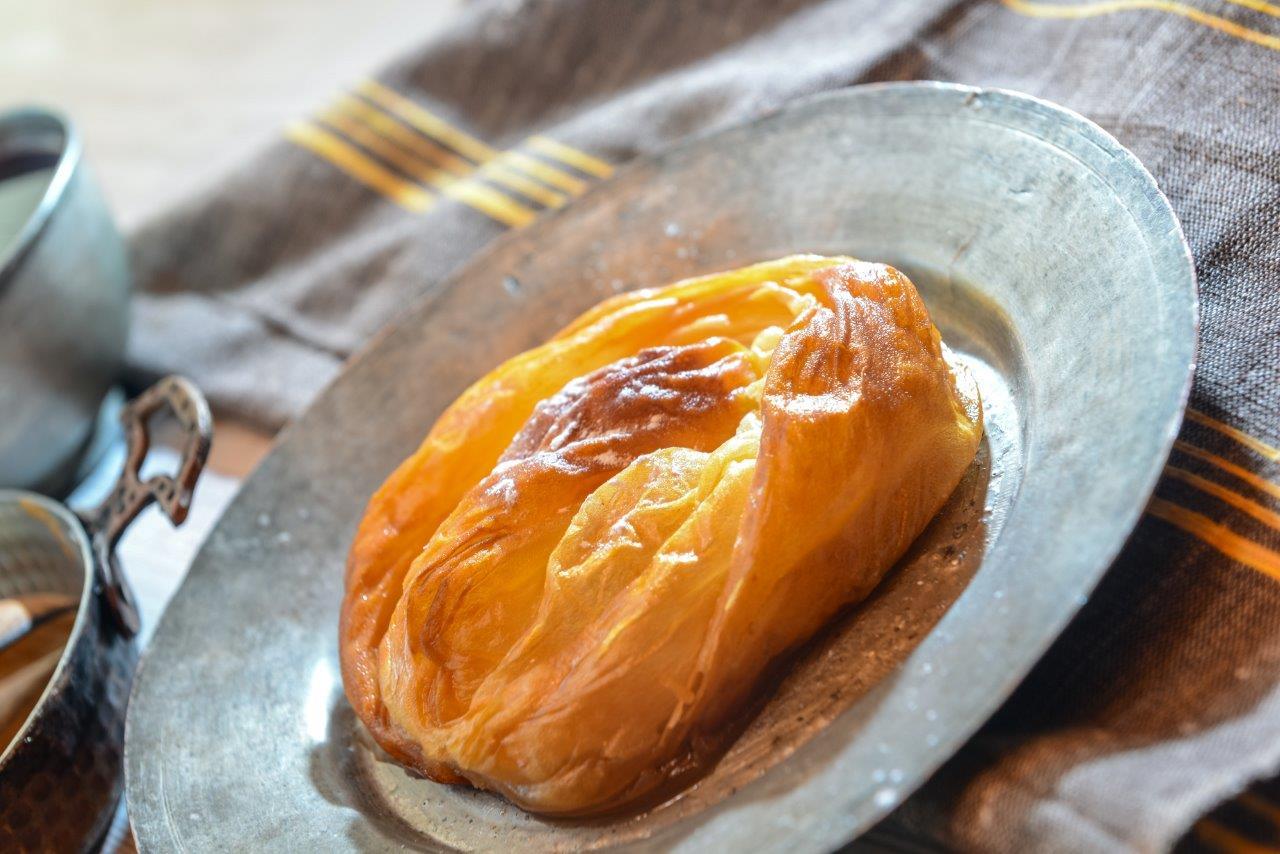

Konya Sac Arası (Turkish Patent and Trademark Office)

Geographical Indication and Registration Details

  • Registration Number: 927
  • Registration Date: 11.10.2021
  • Application Number: C2020/273
  • Application Date: 16.09.2020
  • Product / Product Group: Dessert / Baking and pastry products, dough-based products
  • Geographical Indication Type: Designation of Origin
  • Applicant: Konya Metropolitan Municipality
  • Applicant Address: Nişantaşı Mah. Vatan Cad. No:2, Selçuklu, Konya
  • Geographical Boundary: Konya Province
  • Usage Format: The term “Konya Sac Arası” and the designation of origin emblem appear on the product itself or its packaging. In cases where this is not possible, the emblem must be displayed prominently within the production facility.

Production Method (Serves 4)

  • For the dough: 2 eggs, 20 g butter, 200 ml water, 5 g salt, 700 g wheat flour, flour and starch (for rolling out the sheets), 30 g butter (for greasing the tray)
  • For the filling: 250 g kaymak, 250 g butter, 400 ml liquid oil, powdered sugar (optional)

Preparation Steps

  1. The dough is kneaded using eggs, butter, water, salt, and flour until it reaches the softness of an earlobe. The dough is divided into walnut-sized pieces and rested for 30 minutes under a damp cloth.
  2. The pieces are rolled out into very thin sheets; first flour is dusted, then starch, and the sheets are gradually expanded using a rolling pin.
  3. The sheets are brushed with melted butter and folded in half lengthwise.
  4. Kaymak is placed along the rounded edge of each sheet and rolled into a cylindrical shape.
  5. The rolls are arranged on the greased tray, starting from the outer edge and spiraling inward. Remaining butter is brushed over the top.
  6. Baked in an oven preheated to 200°C until lightly pinked.
  7. Served with powdered sugar sprinkled on top, if desired.

Production and Monitoring Within the Geographical Boundary

All production stages of Konya Sac Arası are carried out within the boundaries of Konya Province. Monitoring is conducted by a four-member inspection team composed of experts from the municipality, agriculture, and tourism sectors, along with university representatives, under the coordination of Konya Metropolitan Municipality. The inspection verifies the suitability of ingredients, compliance with the production method, and correct use of the designation of origin emblem. Inspections are also carried out upon complaint or as needed.

Cultural and Social Significance

Konya Sac Arası is an integral part of Konya’s historical and cultural culinary heritage. Particularly favored during special occasions, holidays, and weddings, this dessert reflects Konya’s traditional cooking techniques and local flavors. Its preservation through traditional production methods and geographical indication reinforces its uniqueness and its deep connection to the region.

Author Information

Avatar
AuthorSinem BostanDecember 1, 2025 at 10:12 AM

Tags

Discussions

No Discussion Added Yet

Start discussion for "Konya Sac Arası" article

View Discussions

Contents

  • Geographical Indication and Registration Details

  • Production Method (Serves 4)

    • Preparation Steps

  • Production and Monitoring Within the Geographical Boundary

  • Cultural and Social Significance

Ask to Küre