


This article was automatically translated from the original Turkish version.
+1 More
Koruk Water
Definition(s) | The sour and aromatic liquid obtained by crushing unripe (green) grapes | ||||||||
|---|---|---|---|---|---|---|---|---|---|
Prevalence | Traditionally produced in the Aegean, Mediterranean, and Southeastern Anatolia regions | ||||||||
Nutritional Properties | low in calories high in vitamin C Rich in antioxidants | ||||||||
Koruk is the term for unripe grapes before they mature. The sour, aromatic liquid obtained from these unripe grapes is called koruk juice. It is traditionally produced especially in the Aegean, Mediterranean and Southeastern Anatolia regions.
Koruk juice has been a part of Anatolian cuisine for centuries. Due to its acidity, it has been used as an alternative to acidic lemon or vinegar like enhancers flavor. It is also used in olive oil-based dishes for marinating meat and in salads common.
The use of koruk juice dates back to antiquity. In ancient Greek and Roman cuisine, a similar sour liquid obtained from unripe grapes was used in cooking under the name verjuice (verjus). The word “verjuice” comes from French and means “green water”. It was also widely used in medieval Europe cuisine before gradually being replaced by vinegar and lemon. In Anatolia, the use of koruk juice can be traced from the Hittites to Ottoman cuisine. In Ottoman cooking, both vinegar lemon and koruk juice were used to balance sour flavors.
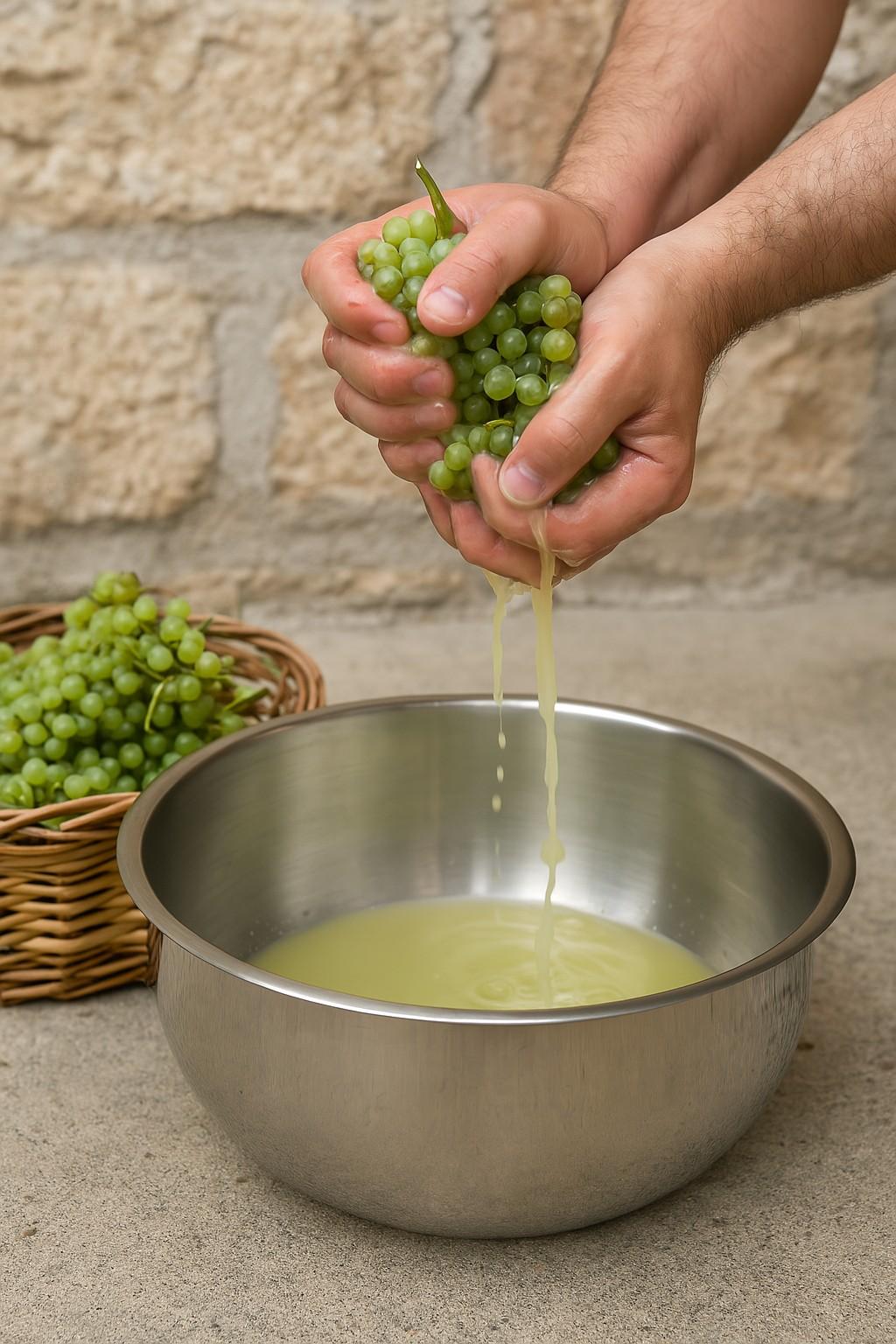
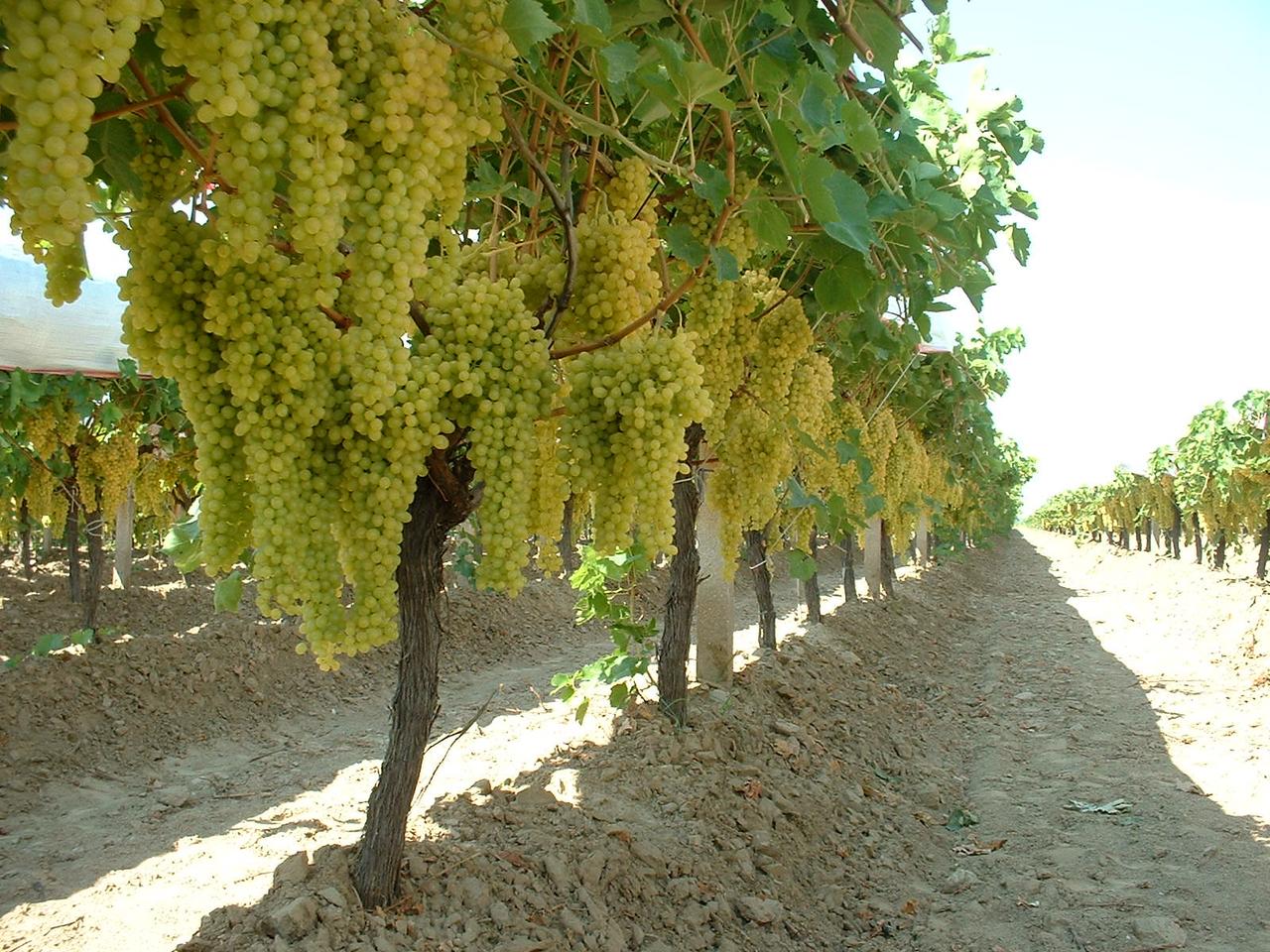
Koruk juice is obtained by crushing unripe grapes harvested in clusters similar to those of a July. The resulting liquid can be stored filtered pure or with the addition of sugar and water. In some regions it is left in the sun to undergo fermentation which imparts a different aroma Qatar.
To prepare koruk juice sherbet first pour 1 glass of koruk juice into a pitcher. On top of Add 3 glasses of cold water and 2 tablespoons of honey or sugar. Stir thoroughly until the sweetener is completely dissolved. Then add a few fresh mint leaves and optionally a generous amount of ice. Serve chilled service. It is especially preferred as a refreshing natural drink during write months.
Hürriyet. "Koruk suyu nedir, nasıl yapılır ve saklanır? Koruk suyu tarifi ve yapımı." Hürriyet Web Sistesi. Accessed April 10, 2025. https://www.hurriyet.com.tr/mahmure/koruk-suyu-nedir-nasil-yapilir-ve-saklanir-koruk-suyu-tarifi-ve-yapimi-41906385
Lezzet. "Koruk Suyu Nasıl Yapılır, Nasıl Tüketilir?" Lezzet Web Sistesi. Accessed April 10, 2025. https://www.lezzet.com.tr/lezzetten-haberler/koruk-suyu-nasil-yapilir
Life for Food. "Bağcılık ve üzüm üreticilerinin sorunları." Life for Food Web System. Accessed April 10, 2025. https://www.yasamicingida.com/tarim/bitkisel-urunler/bagcilik-ve-uzum-ureticilerinin-sorunlari/
Rafinera. "Koruk Suyu Nedir? Nasıl Yapılır?" Rafinera Web Sistesi. Accessed April 10, 2025. https://www.rafinera.com/blog/yemek-pisirme-onerileri/koruk-suyu-nedir-nasil-yapilir

Koruk Water
Definition(s) | The sour and aromatic liquid obtained by crushing unripe (green) grapes | ||||||||
|---|---|---|---|---|---|---|---|---|---|
Prevalence | Traditionally produced in the Aegean, Mediterranean, and Southeastern Anatolia regions | ||||||||
Nutritional Properties | low in calories high in vitamin C Rich in antioxidants | ||||||||
History
Production
Uses
Nutritional Value and Properties
Koruk Juice Sherbet (Cooling Beverage – Aegean Region)
Ingredients
Preparation