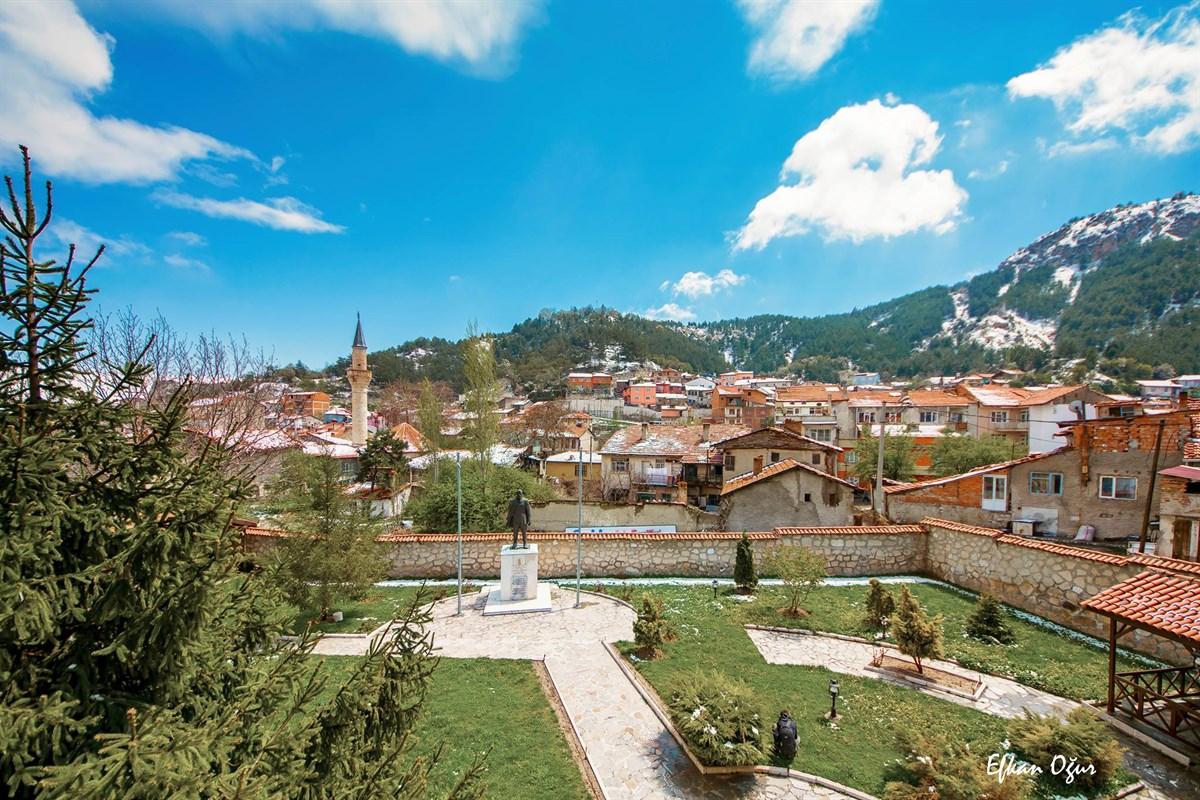


This article was automatically translated from the original Turkish version.
+2 More
Kossuth House Museum
Location | Türkiye Kütahya | ||||||||
|---|---|---|---|---|---|---|---|---|---|
Century of Construction | 18th century | ||||||||
Ownership | Ministry of Culture and Tourism | ||||||||
Architectural Style | Traditional Turkish House | ||||||||
Related Country | Hungary | ||||||||
Purpose of Use | Museum (since 1982) | ||||||||
Kossuth House Museum is a historic house museum located in the Kütahya province of Türkiye, reflecting 18th-century civil architectural features. It served as the residence of Lajos Kossuth, the national hero of Hungary, during his period of exile and now functions as a symbol of Turkish-Hungarian friendship. Known locally as the "Hungarian House," the structure is recognized as one of the most significant cultural assets representing Kütahya’s history and its place in international diplomacy.
Lajos Kossuth (1802–1894), a lawyer, politician, and statesman who led Hungary’s struggle for independence, was forced to leave his homeland after the failure of the 1848–1849 war for freedom against the Austro-Russian alliance. On 17 August 1849, Kossuth and a group of approximately 5,000 refugees first arrived in Vidin and subsequently reached Shumna.
Despite intense pressure and threats from the Austrian and Russian empires demanding the refugees’ repatriation, Ottoman Sultan Abdülmecid I protected them, declaring: "I would give up my crown and throne but never those who seek refuge in my state."【1】 As a result of this diplomatic stance, the most vulnerable refugee groups were relocated to Kütahya, deemed a safer region. Lajos Kossuth, accompanied by his family and a retinue of 56 people, arrived in Kütahya on 12 April 1850 and was hosted there until 1851. Initially accommodated in a military barracks, Kossuth was later moved to the residence of Hüseyin Hamdi Aydın (Hamdi Bey), a prominent local figure.
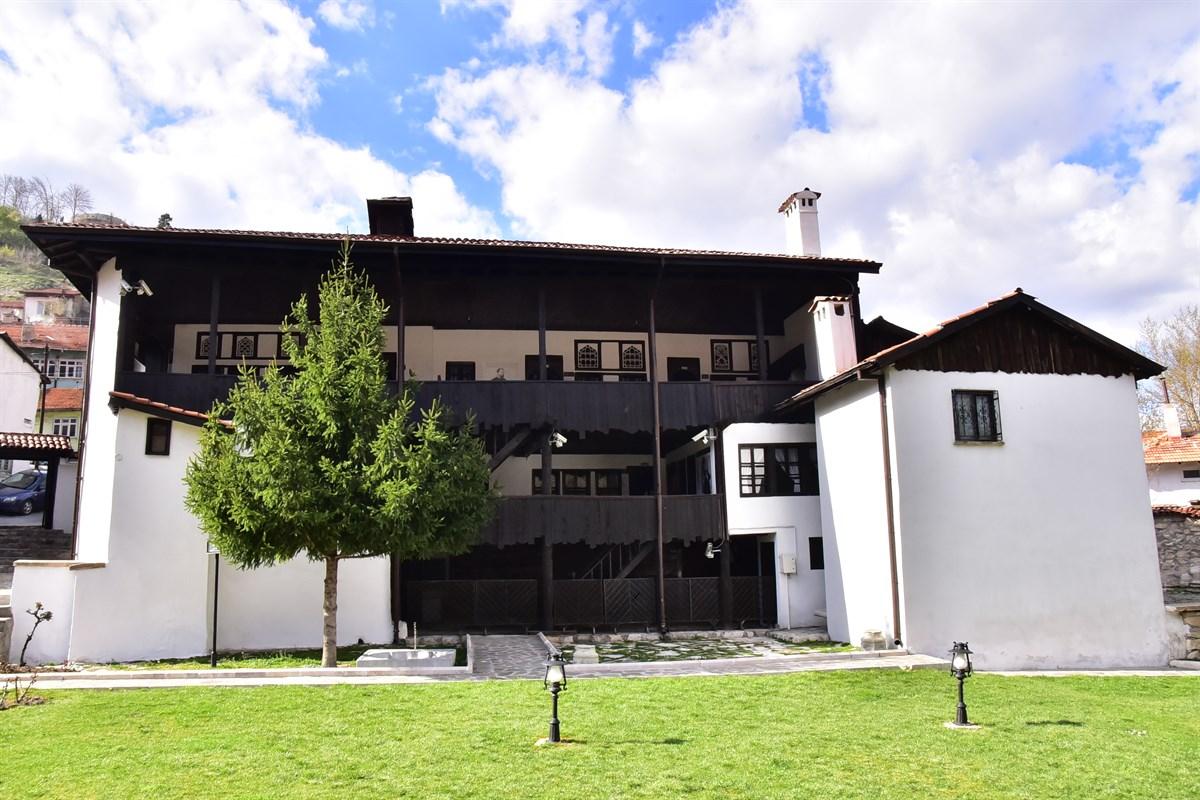
Lajos Kossuth Museum (Kütahya Governorship)
The museum building, located in the Börekçiler Neighborhood on Hacı Emin Street (Hungarian Street) in Kütahya, is the only surviving example of an 18th-century Kütahya residential house. The structure follows the traditional Turkish house typology known as the "outer sofa" plan.
The two-story, seven-room building is constructed entirely with a wooden frame system. It is situated within a spacious garden, with its main facade facing Kütahya Castle. For reasons of security and privacy, windows facing the street are limited in number and size.
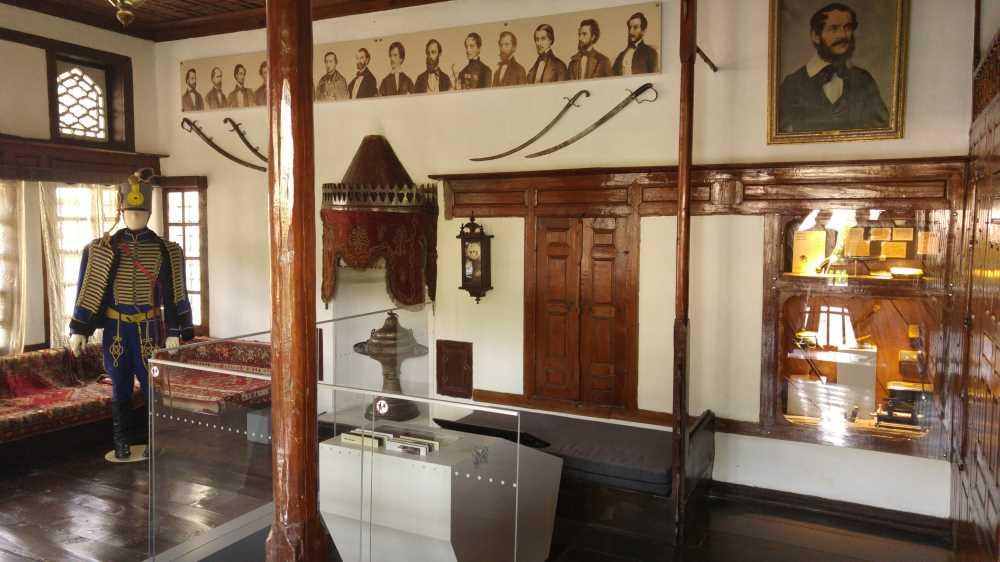
Interior of Lajos Kossuth Museum (Culture Portal)
Restored by the Ministry of Culture and Tourism, the museum opened to the public on 19 September 1982. It displays both personal belongings of Lajos Kossuth and ethnographic artifacts related to 19th-century civilian life in Kütahya.
Key items in the museum collection include:
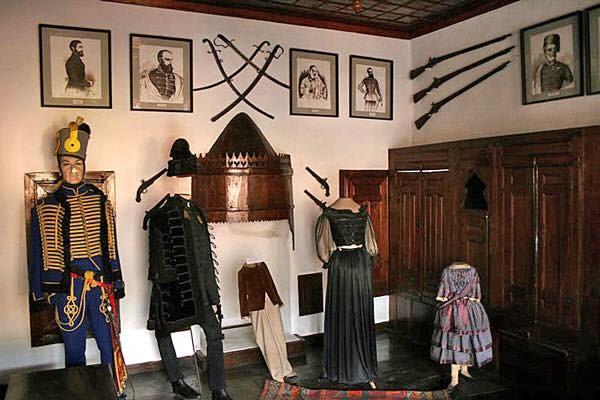
Interior of Lajos Kossuth Museum (Kütahya Governorship)
The Lajos Kossuth Museum holds a significant place in contemporary diplomatic and cultural relations between Türkiye and Hungary. Kossuth’s statement, "I owe my present life and freedom to the Turks," spoken in gratitude for the hospitality he received in Kütahya, remains a historical reference point for the friendship between the two nations.【2】 As a result of this historical bond, a "Sister City" relationship has been established between Kütahya and Pécs in Hungary.
The museum hosts annual ceremonies on 15 March, the anniversary of the Hungarian War of Independence, with high-level diplomatic participation.
T.C. Kültür ve Turizm Bakanlığı. "Kütahya Kossuth Müzesi." *muze.gov.tr.* Accessed May 13, 2026. https://muze.gov.tr/muze-detay?SectionId=KKH01&DistId=MRK
T.C. Kütahya Valiliği. "Macar Misafirlerimiz: Macar Milli Kahramanı Lajos Kossuth Kütahya'da." kutahya.gov.tr. Accessed May 13, 2024. https://www.kutahya.gov.tr/macar-misafirlerimiz-macar-milli-kahramani-lajos-kossuth-kutahyada-yeni
Türkiye Kültür Portalı. "Lajos Kossuth Müzesi (Macar Evi)." T.C. Kültür ve Turizm Bakanlığı. Accessed May 13, 2026. https://www.kulturportali.gov.tr/turkiye/kutahya/gezilecekyer/lajos-kossuth-muzesi
Yalçın, Çağrı. "Kütahya Sivil Mimari Örnekleri Kapsamında Kossuth Evinin Değerlendirilmesi ve Kurgusal Mekân Açısından Analizi." *Dumlupınar Üniversitesi Sosyal Bilimler Dergisi*, Özel Sayı (March 2019): 153–162. Accessed May 13, 2026. https://dergipark.org.tr/tr/download/article-file/668436
Yılmaz, Hande. "Kütahya Kossuth Evi Müzesi." *Türkiye Turizm Ansiklopedisi.* Accessed May 13, 2026. https://turkiyeturizmansiklopedisi.com/kutahya-kossuth-evi-muzesi
[1]
T.C. Kültür ve Turizm Bakanlığı, "Kütahya Kossuth Müzesi," muze.gov.tr, Access Date: 13 May 2026,
[2]
T.C. Kültür ve Turizm Bakanlığı, "Kütahya Kossuth Müzesi."

Kossuth House Museum
Location | Türkiye Kütahya | ||||||||
|---|---|---|---|---|---|---|---|---|---|
Century of Construction | 18th century | ||||||||
Ownership | Ministry of Culture and Tourism | ||||||||
Architectural Style | Traditional Turkish House | ||||||||
Related Country | Hungary | ||||||||
Purpose of Use | Museum (since 1982) | ||||||||
No Discussion Added Yet
Start discussion for "Kossuth House Museum" article
History
Architectural Structure and Spatial Features
Interior Spatial Organization
Museum Collection and Exhibited Artifacts
International Relations and Soft Power