This article was automatically translated from the original Turkish version.
+1 More
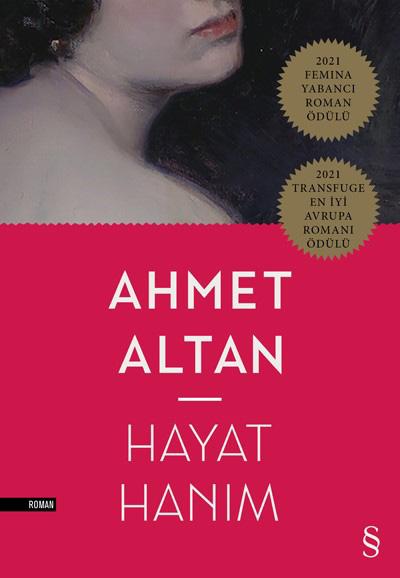
Hayat Hanım is a contemporary Turkish novel by Ahmet Altan, centered on personal transformation, love, freedom, and social prejudice.
The novel begins with Fazıl, a literature student, facing a turning point in his life after the death of his father. He confronts economic hardship and social pressures. Forced to move into a boarding house due to poverty, Fazıl encounters people from diverse social backgrounds and witnesses their realities. He gradually forms an emotional bond with Hayat Hanım, a woman he meets through his part-time job. During the same period, he falls in love with another literature student named Sıla. Caught between Sıla’s decision to leave the country and his relationship with Hayat Hanım, Fazıl struggles with the dilemma of whether to stay or go. As Hayat Hanım quietly withdraws from Fazıl’s life, he chooses to remain and seeks solutions to his problems where he is.
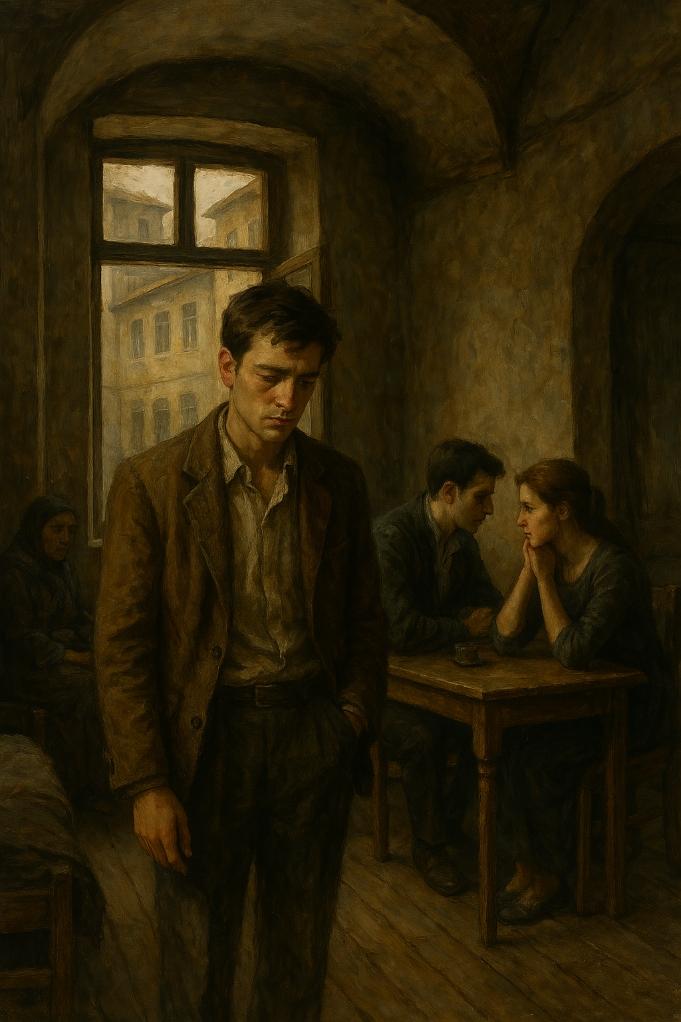
Representative image of Fazıl (generated by artificial intelligence)
Fazıl: The novel’s protagonist. A young, sensitive, and intellectual literature student, his personal transformation is triggered by the hardships he endures. Through Hayat Hanım, he achieves emotional maturity; his love for Sıla creates a conflict between his ideals and reality. These internal tensions define his character development.
Hayat Hanım (Nurhayat): A woman in her fifties, strong, perceptive, and wise. She has accepted life as it is and developed a detached joy in living. She is a figure who manages to live without being burdened by the past. To Fazıl, she is both a teacher and a source of inspiration, embodying his description of her as “someone who never runs out.”
Sıla: A young woman from a privileged background with a deep passion for literature. She becomes acquainted with hardship after her family loses all its wealth overnight. She seeks to escape political pressure by leaving the country. Although she shares emotional depth with Fazıl, she represents more than anything the symbol of his “future dream.”
The novel explores themes of love, identity search, social inequality, social pressure, freedom, uncertainty, and personal transformation. It delves deeply into the power of literature and art to bring people together, as well as the conflicts created by economic hardship and political repression in the life of a young individual. The concept of “life” is presented as a multi-layered metaphor, both as a character’s name and in its existential sense.

Plot
Characters
Themes