


This article was automatically translated from the original Turkish version.
Lake Nyos is a lake located in a volcanic caldera in northwestern Cameroon. In 1986, a large accumulation of carbon dioxide (CO₂) gas that had built up at the lake’s bottom suddenly rose to the surface and seeped into surrounding villages, causing the deaths of approximately 1,700 people. The Lake Nyos disaster is considered one of the rare natural events in which a gas eruption triggered massive loss of life.
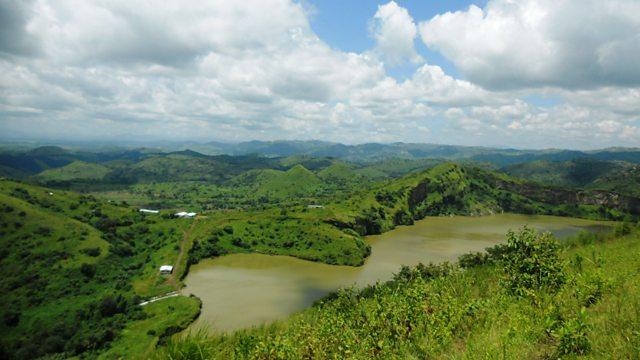
"The 1986 gas eruption was one of the rare disasters caused by the buildup of carbon dioxide gas in the lake."^[1]
(BBC Radio 4. "The Lake of Death." BBC, 2012. https://www.bbc.co.uk/programmes/p00jpbl4)
Nyos is situated within a volcanic caldera in northwestern Cameroon, in West Africa. The lake is approximately one kilometer wide and 200 meters deep. It is surrounded by mountains. This volcanic region allows gases to form due to movements of magma beneath the surface. Gases emerging from the caldera beneath the lake accumulate under the pressure of the water.
The most dangerous feature of Lake Nyos is precisely this accumulated gas. The lake has an exceptionally high capacity to store carbon dioxide. This capacity results from the lake’s depth of 200 meters, which creates sufficient water pressure to prevent the gas from rising to the surface, causing it to become trapped and accumulate.
This gas is undetectable by color or odor. High concentrations can be lethal. During the tragic event of 1986, this accumulated gas suddenly erupted to the surface and spread into nearby villages, resulting in the deaths of 1,700 people. The gas infiltrated the villages, displaced oxygen, and caused people who inhaled it to suffocate.
The disaster of 1986 made Nyos a well-known site. The event attracted global attention and led to the evacuation of settlements around the lake, as well as the initiation of scientific studies aimed at preventing further gas buildup. The Nyos disaster also brought the term “limnic eruption” into wider recognition. Research has shown that while such natural disasters had not been previously documented, these types of volcanic lakes pose a significant threat, albeit rarely occurring. Efforts have been made to make Nyos and its surroundings safer through engineering projects designed to mitigate this hazard.
BBC Radio 4. "The Lake of Death." BBC, 2012. https://www.bbc.co.uk/programmes/p00jpbl4
Hammond, Jeffrey O. Lake Nyos: The Volcanic Gas Hazard. Cambridge University Press, 1990.
Harris, Steven. "Lake Nyos: A Modern-Day Volcanic Tragedy." The Geological Society of America Bulletin, 1988.
United States Geological Survey (USGS). "Lake Nyos: The Disaster." USGS. Accessed May 16, 2024. https://www.usgs.gov/centers/volcano-hazards/science/lake-nyos-disaster

No Discussion Added Yet
Start discussion for "Lake Nyos (Cameroon)" article
Geographical Location and Structure
Dangerous Characteristics and Gas Eruption
Historical Significance and Consequences of the Event