


This article was automatically translated from the original Turkish version.
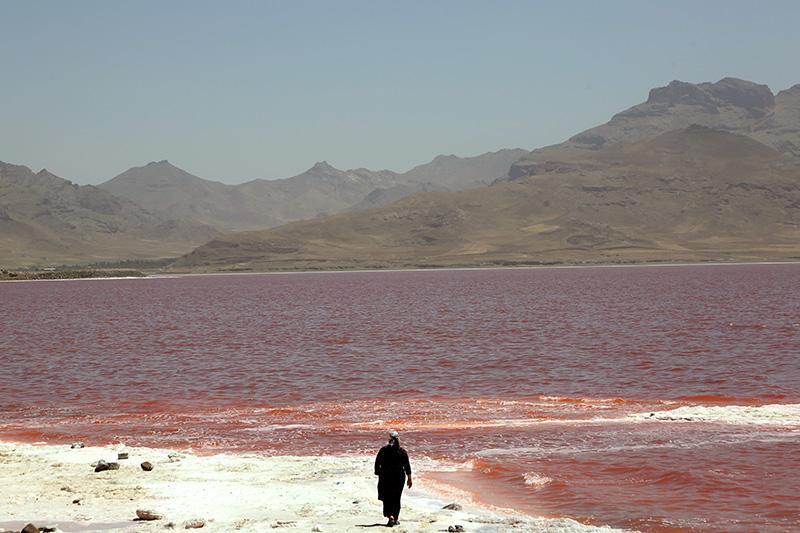
Lake Urmia (Persian: دریاچه ارومیه, Daryāche-ye Orūmīyeh) is a saline, endorheic lake located in northwestern Iran, between the Azerbaijani provinces. Historically, with a surface area of approximately 5,200 km², it was the second largest lake in the Middle East. The lake holds regional significance both geologically and ecologically and was designated a biosphere reserve by UNESCO in 1975.

Lake Urmia (AA)
Lake Urmia is one of the saline water bodies with high sodium content. Its average depth is around five meters and it is fed by short and medium-sized rivers in the region. As an endorheic basin, the lake receives water only from precipitation and river inflows and has no outflow to the sea. This characteristic makes its hydrological balance extremely sensitive. Regional climatic conditions and hydrological changes directly affect the lake’s water level.
Due to its high salinity, Lake Urmia serves as a habitat for extremophilic microorganisms that give the lake its reddish-pink hue. This feature has led to the lake being referred to as the “Red Lake.” Additionally, it provides a critical habitat and breeding ground for numerous migratory bird species, especially flamingos. The lake’s role as both a feeding and resting area for these birds underscores the importance of preserving its biological diversity.
Since the early 2000s, Lake Urmia has experienced a dramatic loss of water. According to NASA satellite data, the lake’s surface area has shrunk by approximately 80 to 90 percent between the 1990s and 2020. The causes of this desiccation process are explained by the following factors:
The desiccation of the lake has produced multifaceted negative effects on the regional environment and human life:

Lake Urmia (AA)
In 2013, the Iranian government launched comprehensive projects to revive Lake Urmia. These include:
However, the impact of these efforts has remained limited due to economic constraints, bureaucratic obstacles, and a lack of regional cooperation. In 2024, official investigations were initiated in Iran due to negligence regarding the desiccation process.
Lake Urmia on the Verge of Disappearance (YouTube)
Lake Urmia serves as a significant case study in international environmental policy, illustrating the combined effects of regional climate change and human intervention. Preserving the lake is not only critical for Iran but also for neighboring countries in terms of sustainable water management strategies and regional cooperation. Experts emphasize that integrated basin management, climate change adaptation, and community-based conservation approaches are essential for the lake’s future.

Geographical and Hydrological Characteristics
Ecological Value
The Desiccation Process: Causes and Developments
Environmental, Economic and Social Impacts
Management and Conservation Efforts
International Dimension and Future Perspectives