


This article was automatically translated from the original Turkish version.
+2 More
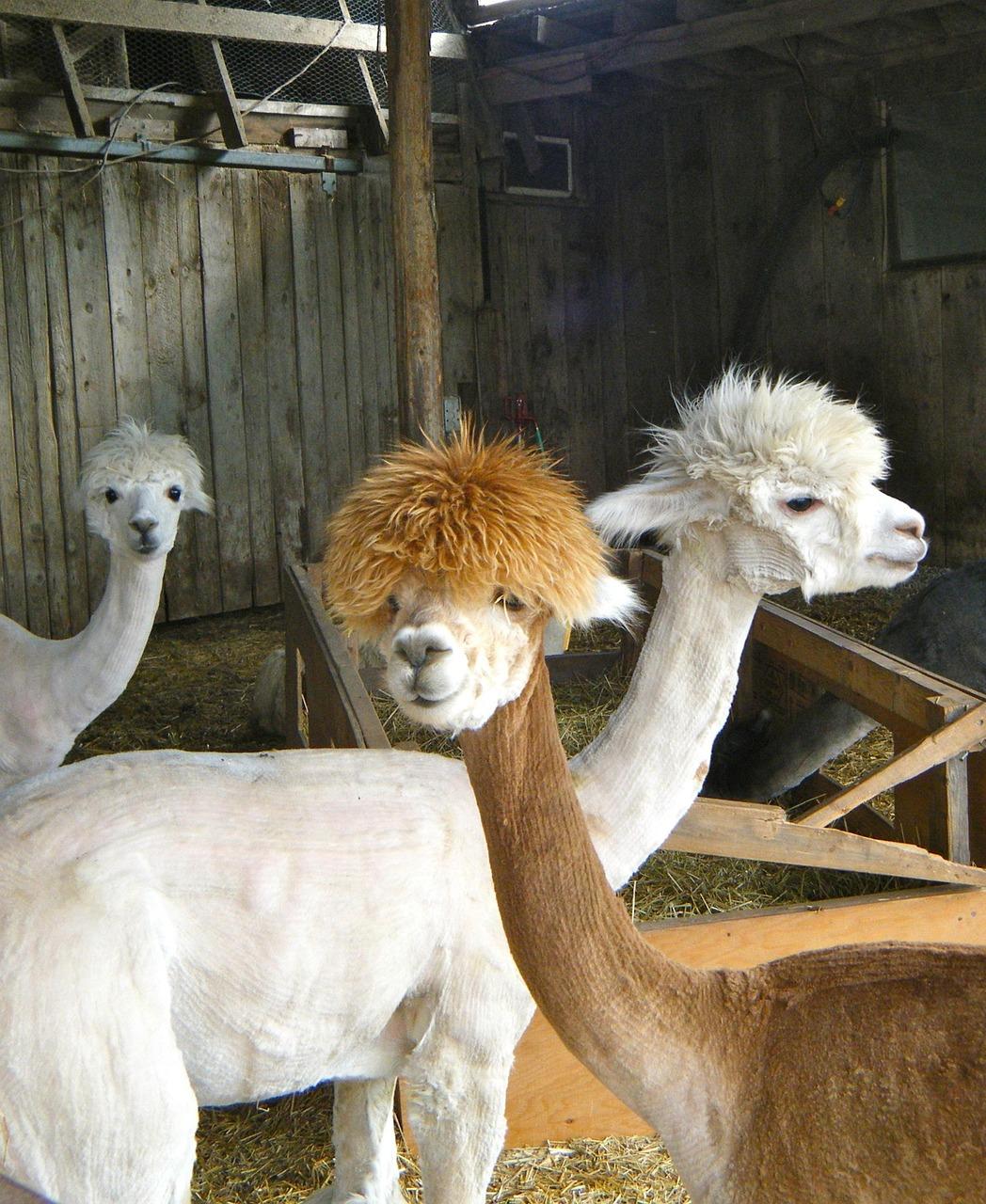
Lama is the most well-known domesticated species of the genus Lama within the family Camelidae. The Camelidae family is part of the order Artiodactyla (even-toed ungulates) and includes camel-like mammals.
This family is divided into two main subgroups: Old World camels (Camelus genus; dromedary and Bactrian camel) and New World camelids (lama, alpaca, guanaco, vicuña).
New World camelids are native primarily to the Andes Mountains region of South America, are humpless and generally smaller in size. The lama is a domesticated species classified within the genus Lama and evolved from the wild guanako (Lama guanicoe). Other New World camelids—the alpaca (Vicugna pacos), the vicuña (Vicugna vicugna), and the guanako—are closely related. These species exhibit morphological and genetic similarities but occupy distinct ecological niches.
Lamas have been domesticated by humans for a long time, having been domesticated by hunter-gatherer societies thousands of years ago. Lamas are genetically highly similar to guanakos, and hybridization between the two species is possible. However, due to domestication, lamas have diverged morphologically and behaviorally from their wild ancestors.
Taxonomically, the lama species is classified as follows:
This classification is based on scientific studies that analyze both morphological and genetic data, detailing the similarities and differences between lamas and other camelids.
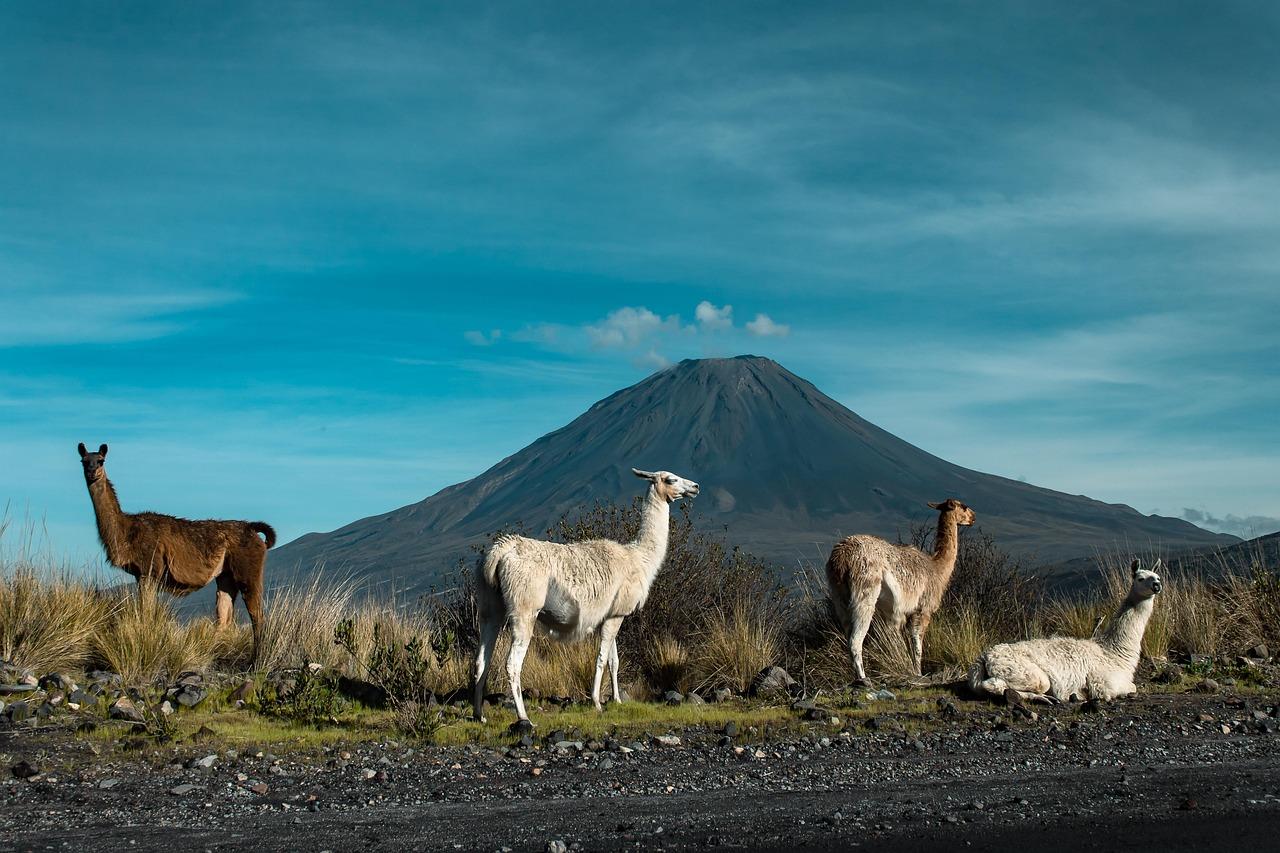
Lamas (Piaxabay)
Lamas are commonly found in South American countries such as Peru, Bolivia, and Argentina, at elevations up to 5,000 meters above sea level. They are primarily raised in the high-altitude regions of the Andes Mountains, in semi-desert and mountainous areas. Lamas are resistant to cold and low oxygen levels, enabling them to thrive at high altitudes due to their elevated hemoglobin concentrations.
Lamas have a slender, long-necked, and delicate-legged body structure. Their height ranges from approximately 1 to 2 meters, with shoulder height also between 1 and 2 meters. Their weight varies from 70 to 140 kilograms. Their tails are about 15 centimeters long. Unlike camels, they have no humps. Their heads are small, with long ears and prominent eyes. Their fleece is coarse and woolly, with coloration ranging from white to black, commonly appearing in brown, reddish, and spotted patterns. Female lamas have shorter fleece on the neck and legs.
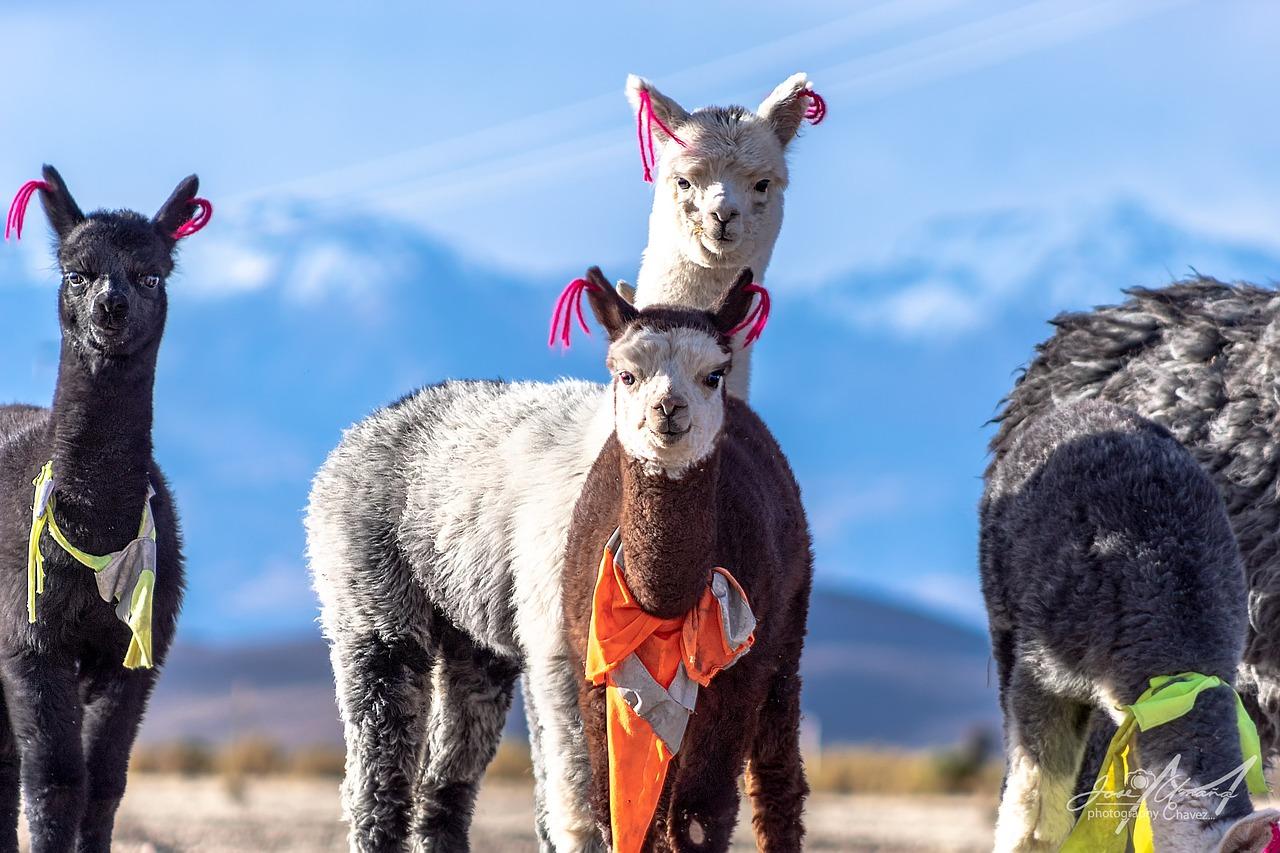
Young lama (Piaxabay)
Lamas are ruminants. Like other members of the Camelidae family, they possess a three-chambered stomach. They lack horns and a gallbladder. Their diet consists primarily of grasses and shrubs found in their semi-desert and mountainous habitats. Lamas are highly resilient to hunger and thirst and can survive for extended periods without food or water.
Lamas are social animals that live in herds. They have been domesticated by humans for carrying loads. A single lama can carry an average load of 45 to 60 kilograms and travel approximately 32 kilometers per day. When tired or stressed, they exhibit spitting behavior, which serves to communicate with other lamas and display aggression. Additionally, lamas rest by sitting on their chests and feet, similar to camels.
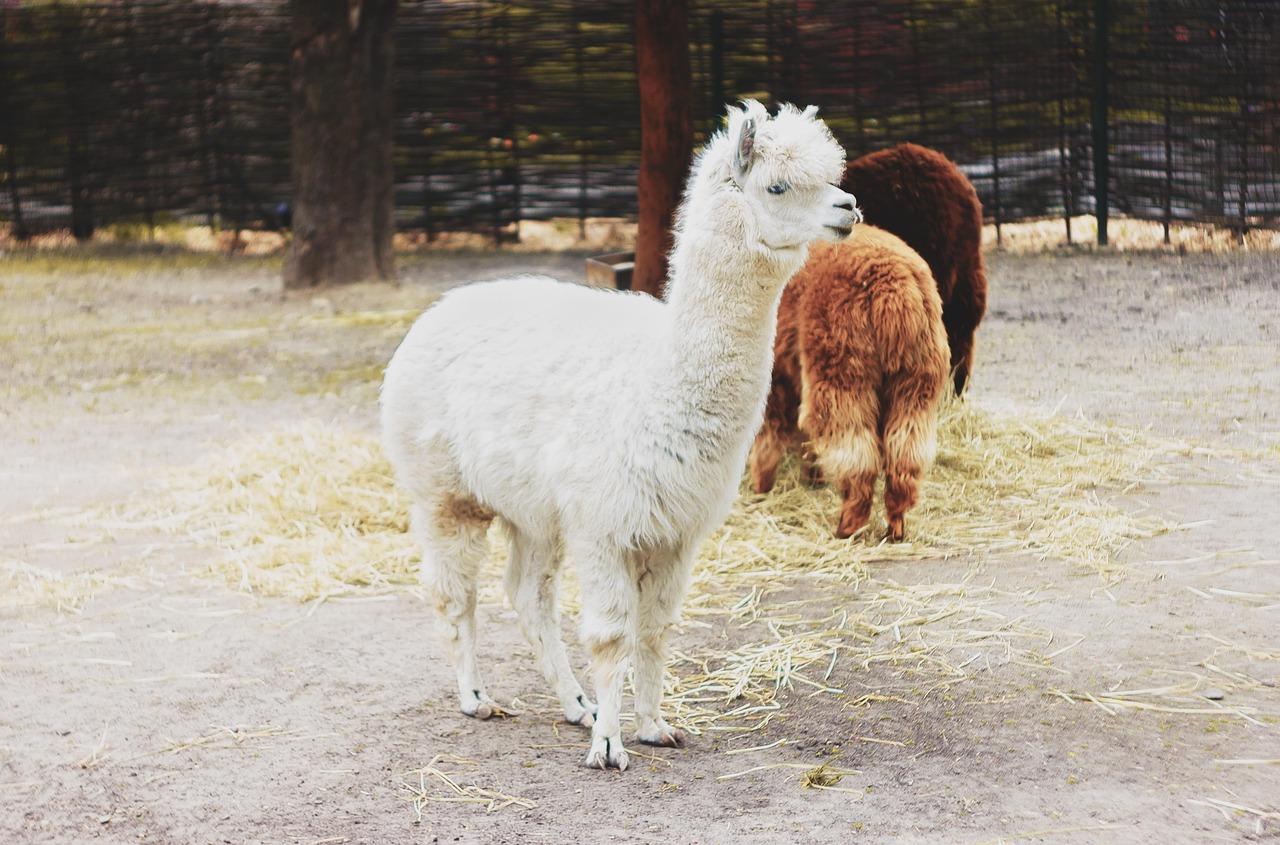
Lama (Pixabay)
The breeding season for lamas typically occurs during the late autumn months of August and September, coinciding with the climatic conditions of the Andes Mountains. During this period, lamas reach a physiological state suitable for mating. Male lamas display aggressive behaviors to assert dominance and secure mating rights, sometimes fighting each other. These fights primarily involve pushing with the neck and head and generally carry a low risk of injury, although dominant males gain mating privileges. Females show receptivity to mating for several days during the breeding period. Gestation lasts approximately 11 months, after which a single offspring is usually born. The mating and gestation cycle has adapted to the seasonal conditions of their natural habitat. Newborn lamas are capable of standing and walking shortly after birth and can follow their mothers within a short time. Young lamas are nursed for about four months after birth. This nursing period is critical for the development of the offspring’s immune system and adaptation of its digestive system to milk. Mother’s milk provides essential nutrients for the growth and development of the young.
Lamas have been used by indigenous populations in the Andes Mountains for transporting loads, which led to their domestication. Their meat, milk, and wool are also economically valuable. Their fleece is thick and woolly and is used in the textile industry. Their hides are durable and utilized in the leather industry. Additionally, their dung is dried and used as fuel. Lamas exhibit a distinct behavior compared to other camelids by depositing their feces in specific areas.
Lamas play an herbivorous role in their ecosystem and influence vegetation control. Due to the high-altitude and harsh conditions of their habitats, they exert less environmental pressure than many other species. Lamas are widely raised as domestic animals, which contributes to the conservation of their populations. However, maintaining ecosystem balance remains crucial for the protection of wild guanakos and vicuñas.
Türkiye's First Baby Llama (AA)
Anadolu Ajansı. "Türkiye’nin İlk Yavru Alpakası Doğdu." YouTube video, duration unknown. Accessed May 16, 2025. https://www.youtube.com/watch?v=5YmhVxCQ1XA
Paksoy, Yavuzkan, and Duygu Arslan. “Lama Yetiştiriciliğine İlişkin Bilgiler ve Öneriler.” Necmettin Erbakan Üniversitesi, Konya Ereğli Kemal Akman Meslek Yüksekokulu, Bitkisel ve Hayvansal Üretim Bölümü. Accessed May 16, 2025. https://dergipark.org.tr/tr/download/article-file/3480274
Pixabay. "Hayvan, Alpaka, Hayvancılık, Çiftlik." Accessed May 16, 2025. https://pixabay.com/tr/photos/hayvan-alpaka-hayvanc%C4%B1l%C4%B1k-%C3%A7iftlik-6243681/
Pixabay. "Lamalar, Hayvanlar, Çiftlik, Baraka." Accessed May 16, 2025. https://pixabay.com/tr/photos/lamalar-hayvanlar-%C3%A7iftlik-baraka-934033/
Pixabay. "Lamalar." Image Archive. Accessed May 16, 2025. https://pixabay.com/tr/images/search/lamalar/
Pixabay. “Alpakalar, Lamalar: Yün, Kürk, Memeli.” Accessed May 16, 2025. https://pixabay.com/tr/photos/alpakalar-lamalar-y%C3%BCn-k%C3%BCrk-memeli-6150091/
Pixabay. “Lamalar: Memeliler, Giyinmek, Kostüm.” Accessed May 16, 2025. https://pixabay.com/tr/photos/lamalar-memeliler-giyinmek-kost%C3%BCm-5458254/
İhya Rehber. "Lama, Lama (Glama) Hakkında Bilgi." Accessed May 16, 2025. https://rehber.ihya.org/lama-lama-glama-hakkinda-bilgi.html

Geographic Distribution and Habitat
Physical Characteristics
Digestive System and Diet
Behavior and Social Life
Reproduction and Birth
Economic Importance and Uses
Ecological Role and Conservation Status