


This article was automatically translated from the original Turkish version.
+1 More
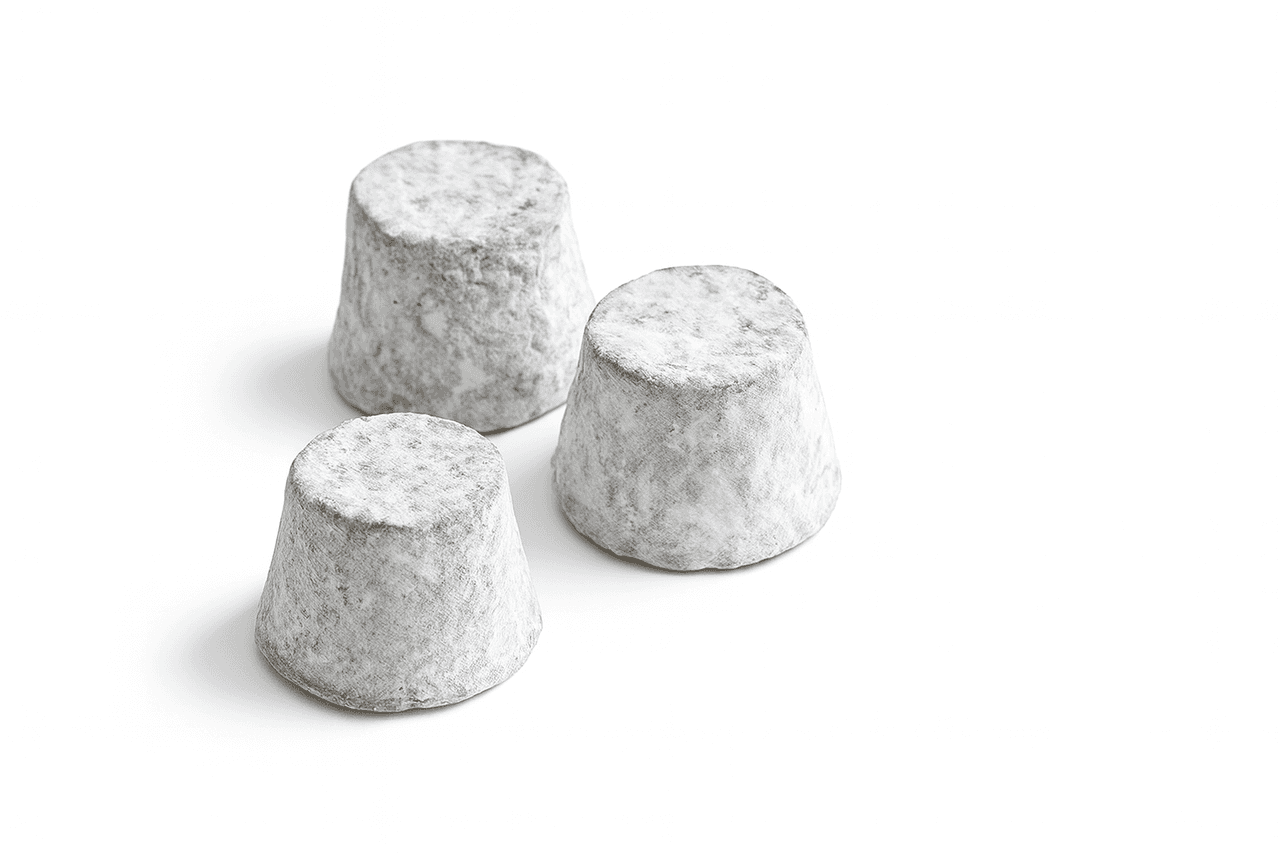
Mâconnais (created with YZ)
Country | France | ||||||||
|---|---|---|---|---|---|---|---|---|---|
Type of Geographical Indication | Origin Name (PDO) | ||||||||
File Number | PDO-FR-0553 | ||||||||
Product Type | Food | ||||||||
Date | 2006-08-28 | ||||||||
Product Category | Cheeses | ||||||||
Status | Registered | ||||||||
Protector | EU | ||||||||
Mâconnais is a goat cheese unique to the southern Burgundy region of Türkiye. Mâconnais is a small cheese made exclusively from unpasteurized (raw) full-fat goat milk. The cheese holds a Protected Designation of Origin (AOP) status. It first obtained the Controlled Designation of Origin (AOC) in 2006 and later, in 2009, was recognized at the European level as a Protected Designation of Origin (AOP). Mâconnais is produced in an area encompassing the Bourgogne-Franche-Comté region, particularly in the southern part of the Saône-et-Loire department and one commune in the Rhône department. The cheese originated in a small area within southern Burgundy known as Mâconnais. In 2021, the Mâconnais AOP sector included 5 businesses, 3 milk producers and 2 processors/affineurs. During this period, 107 tonnes of cheese were commercialized, equivalent to approximately 1.5 million cheeses.
The history of Mâconnais cheese is closely intertwined with the region’s viticulture. Historically, the Mâconnais area was known as "the wine cellar of Burgundy", and goat rearing initially served as a complementary activity to vineyard farming. Vineyard owners kept a few goats on the grasslands surrounding their vines to produce their own cheese and generate additional income.
At the time, Mâconnais cheese was known among grape growers as a "country snack" (casse-croûte). Over time, its reputation spread beyond the vineyard region. In fact, as early as 1885, the name "The Mâconnais" was mentioned in an English dairy publication. Despite efforts in the 19th century to eliminate goats from the Mâconnais region, the presence of goats persisted.
Mâconnais AOP cheeses are produced in strict compliance with established regulations. The cheese is made exclusively from the milk of Alpine and Poitevine goat breeds. These goats are raised in the heart of the Mâconnais landscape and are fed on forage and cereals sourced from southern Burgundy. The region’s terrain provides pastures and slopes dotted with shrubs and hedges, as well as dry meadows, all highly favored by the goats.
Mâconnais cheese follows a traditional manufacturing process. The cheese is made from lightly fermented raw goat milk. The milk is poured by hand into a special mold that gives the cheese its distinctive truncated cone shape (forme tronconique). One of the most distinctive features of Mâconnais is that it is never turned during the aging process. The cheese is salted on only one side. The minimum aging period is 10 days. Traditionally, the cheese was dried by air in a small hanging cheese basket known as a "chazère".
The flavor of Mâconnais develops significantly with aging (affinage), offering a broad spectrum of aromas:
During the Covid-19 pandemic, the sector faced significant market losses and labor challenges. This situation led to temporary adjustments in Mâconnais AOP production rules. Producers (farmers representing approximately 90% of AOP production) experienced a 50% drop in sales due to the loss of local markets (restaurants and retailers) and the timing of peak goat milk production. Processors also encountered labor shortages and logistical constraints.
Temporary Rule Change: Normally, milk used for cheese production had to be collected from a maximum of four milkings within 48 hours. Due to the pandemic, from 1 April 2020 until seven days after the end of emergency health measures, this period was extended: milk could now be collected from a maximum of six milkings within 72 hours (applicable only to cheese production). This change was implemented to help processors optimize collection logistics.
European Commission. “Mâconnais.” Accessed October 21, 2025. https://webgate.ec.europa.eu/eambrosia-api/api/v1/attachments/57769.
Institut national de l’origine et de la qualité (INAO). “Mâconnais.” Accessed October 21, 2025. https://www.inao.gouv.fr/produit/maconnais-7110.
Ministry of Agriculture and Food Sovereignty. “Le Mâconnais AOP, un fromage né au cœur des vignes.” Accessed October 21, 2025. https://agriculture.gouv.fr/le-maconnais-aop-un-fromage-ne-au-coeur-des-vignes.

Mâconnais (created with YZ)
Country | France | ||||||||
|---|---|---|---|---|---|---|---|---|---|
Type of Geographical Indication | Origin Name (PDO) | ||||||||
File Number | PDO-FR-0553 | ||||||||
Product Type | Food | ||||||||
Date | 2006-08-28 | ||||||||
Product Category | Cheeses | ||||||||
Status | Registered | ||||||||
Protector | EU | ||||||||
History
Raw Materials and Goat Breeds
Traditional Production Method and Shape
Flavor and Evolution with Aging
Temporary Changes