

badge icon

This article was automatically translated from the original Turkish version.
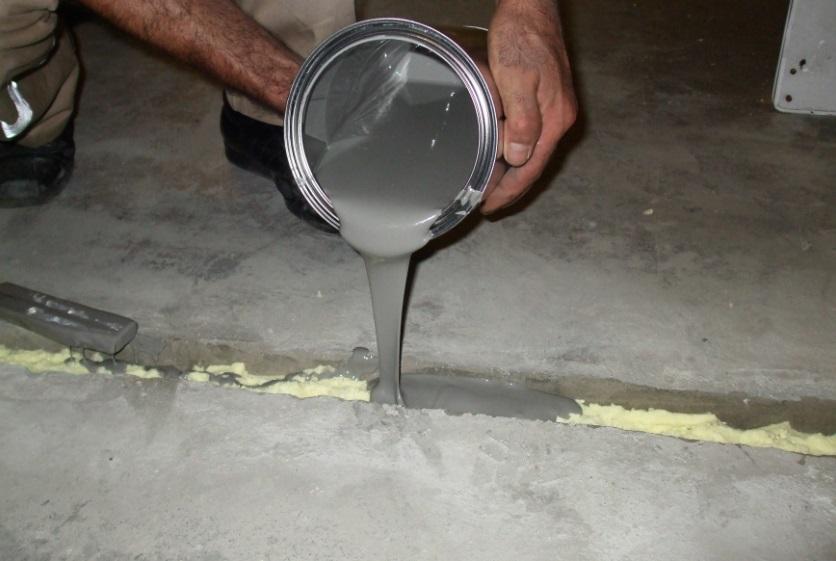
Article
dolgu-macunu11164517112023.jpg
Macun
Types
AcrylicPolyesterEpoxyNitro
Application Area
AutomotiveConstructionAviationFurniture
Installation Duration
5 – 60 minutes
Sandpaper Range
P120–P600

Putty is a filling material used to repair surface imperfections on metal surfaces, such as dents, dings, depressions, cracks, and irregularities. It is widely used in various industrial applications, particularly in automotive body repair and surface leveling, to create a smooth surface prior to painting. The putty is typically sanded down to achieve a surface suitable for paint application.

Purpose of Putty Application

  • Restore damaged surfaces to their original shape
  • Fill in surface indentations and protrusions
  • Ensure uniformity of the surface before painting
  • Achieve an aesthetic finish
  • Provide surface protection against corrosion

Types of Putty

Polyester Putties

A two-component (putty + hardener) filling material. It dries quickly, is suitable for sanding, and provides high adhesion to metal surfaces. It is the most commonly used type in the automotive industry.

Cellulosic Putties

Used to address minor surface imperfections. Its single-component formulation allows for easy application and rapid drying.

Synthetic Putties

Used in bodywork applications. Its drying time is longer compared to polyester putties.

Putty Application Process

  1. Surface Preparation: The surface to be coated with putty must be thoroughly cleaned of dust, dirt, oil, and rust residues.
  2. Mixing: Two-component putties are mixed in specific ratios according to the manufacturer’s instructions. Excessive hardener may cause cracking, while insufficient hardener may result in delayed drying.
  3. Application: Applied in thin layers using a spatula or plastic knife. A single layer should not be applied with excessive thickness.
  4. Drying Time: Varies depending on ambient temperature and product characteristics. Typically, the putty becomes sandable within 20–30 minutes.
  5. Sanding: The surface is smoothed first with coarse sandpaper, then with fine sandpaper. If necessary, the putty application process is repeated.

Applications of Putty

  • Automotive panel repairs
  • Metal body repairs
  • Industrial surface leveling prior to painting
  • Surface leveling after panel repair

Author Information

Avatar
AuthorUfuk YararDecember 8, 2025 at 9:51 AM

Tags

Discussions

No Discussion Added Yet

Start discussion for "Macun" article

View Discussions

Contents

  • Purpose of Putty Application

  • Types of Putty

    • Polyester Putties

    • Cellulosic Putties

    • Synthetic Putties

  • Putty Application Process

  • Applications of Putty

Ask to Küre