


This article was automatically translated from the original Turkish version.
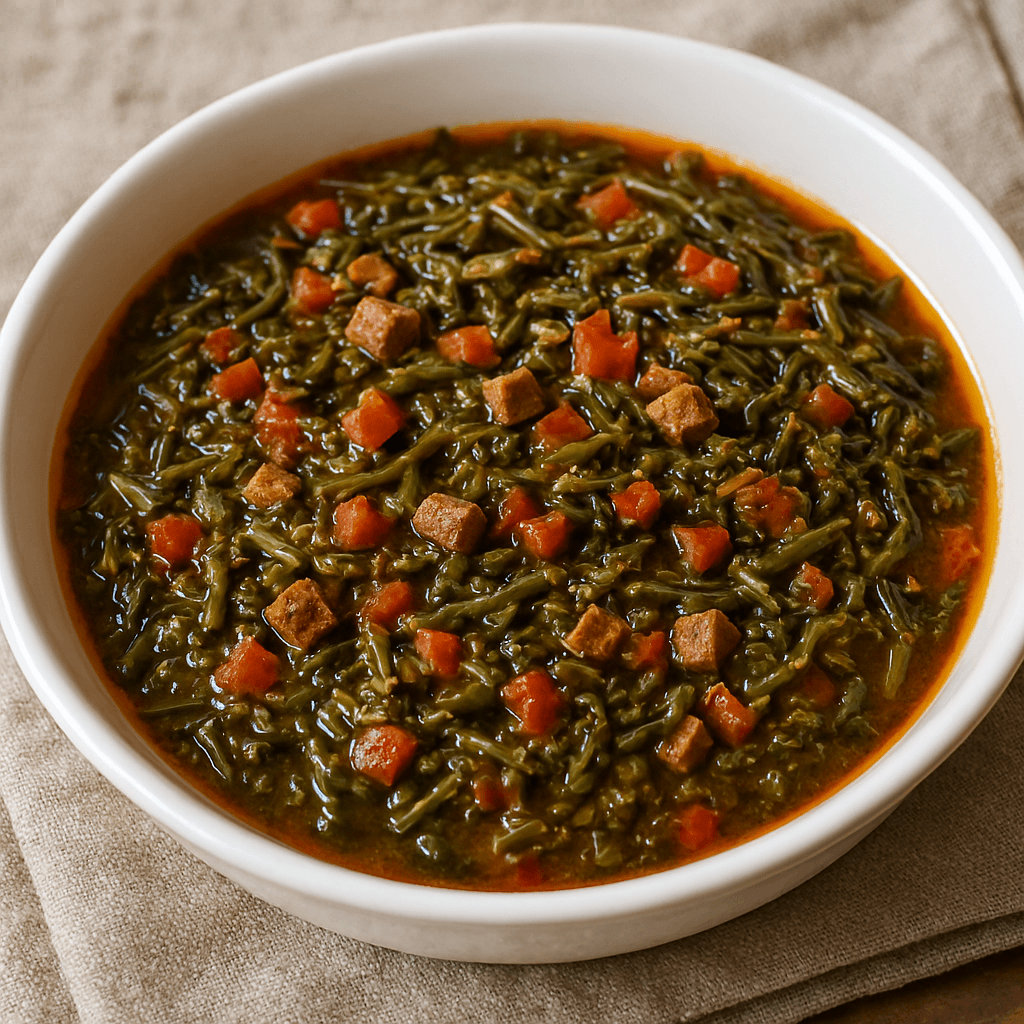
Madımak Aşı (Yapay zekâ tarafından oluşturulmuştur)
Madımak Aşı
Polygonum cognatum Meissn. is the scientific taxonomic name for a perennial herbaceous plant whose above-ground parts are used to prepare this traditional dish, commonly known in folk usage as "madımak". This dish holds seasonal significance within the culinary culture of Anatolia, particularly in the Central Anatolia Region, and is regarded as one of the most prominent examples of how edible wild herbs gathered in spring are transformed from a simple food source into a refined gastronomic product. The plant is not only a component of traditional dietary practices but is also recognized in food science and technology research as an important material due to its rich phytochemical composition.
The primary ingredient of the dish belongs to the Polygonaceae family and is distinguished by its perennial herbaceous structure. Madımak is more than a seasonal and traditional food source; it possesses significant pharmacological and nutritional potential. Its rich phytochemical profile enables it to exhibit various biological activities.
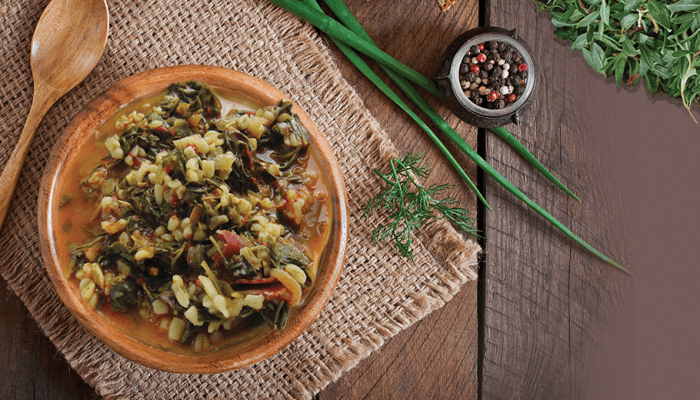
Madımak Aşı (Turktarim)
Madımak aşı is composed of a balanced and complementary combination of plant and animal sources. The standard components of the traditional recipe include:
The production process consists of two main and critical stages: processing of the raw material gathered from nature (preparation) and thermal treatment (cooking).
The most distinctive step that imparts the characteristic flavor of the dish is the special sautéing process known locally as "kapanlama". In a separate pan, butter is melted and chopped onion, garlic, and preferred meat products (minced meat, pastırma, or dried meat) are sautéed. Tomato or pepper paste and spices (red pepper, çemen, cumin) are added to create a concentrated aromatic sauce. This sauce is then poured over the cooking mixture of madımak and bulgur in the main pot. The entire dish is simmered briefly again to allow all components to meld and homogenize, completing the cooking process.
Madımak aşı is typically served hot. In the traditional serving ritual, it is common to top the dish with either plain or garlic-infused yogurt, creating a balance between the warmth of the dish and the cooling effect of the yogurt. Additionally, serving the dish alongside yufka bread is considered an integral component of this gastronomic tradition.
Bayram, Mustafa, and Semra Topuz. "Madımaktan (Polygonum cognatum Meissn.) Yanıt Yüzey Yöntemi Kullanılarak Fenolik Bileşik Ekstraksiyonunun Optimizasyonu." *Gıda* 48, no. 1 (Winter 2023): 118–129. Accessed January 26, 2026. https://dergipark.org.tr/tr/pub/gida/issue/73994/1195213.
Pekdemir, Sibel, Mehmet Çiftci, and Mustafa Karatepe. "Elazığ’da Yetişen Polygonum cognatum Meissn (Madımak) Bitki Ekstraktlarının In vitro Biyolojik Aktiviteleri ve Bazı Fitokimyasal Bileşenlerinin Belirlenmesi." *Avrupa Bilim ve Teknoloji Dergisi*, no. 18 (Spring 2020): 368-378. Accessed January 26, 2026. https://dergipark.org.tr/tr/pub/ejosat/issue/52599/690867
Türkiye Kültür Portalı. "Madımak Yemeği." Accessed January 26, 2026. https://www.kulturportali.gov.tr/turkiye/yozgat/neyenir/madimak-yemeg.
Türkomp. "Madımak - Veri Bankası." Ulusal Gıda Kompozisyon Veri Tabanı. Accessed January 26, 2026. https://turkomp.tarimorman.gov.tr/food-madimak-725.
Çevik, Müge. "Sivas'ın Yeşil Lezzeti: Madımak." *Türk Tarım Orman Dergisi*, March 17, 2020. Accessed January 26, 2026. https://www.turktarim.gov.tr/Haber/439/sivasin-yesil-lezzeti-madimak.

Madımak Aşı (Yapay zekâ tarafından oluşturulmuştur)
Botanical Characteristics and Bioactive Composition
Ingredients and Components
Preparation and Cooking Methodology
Serving Presentation