

This article was automatically translated from the original Turkish version.
+1 More
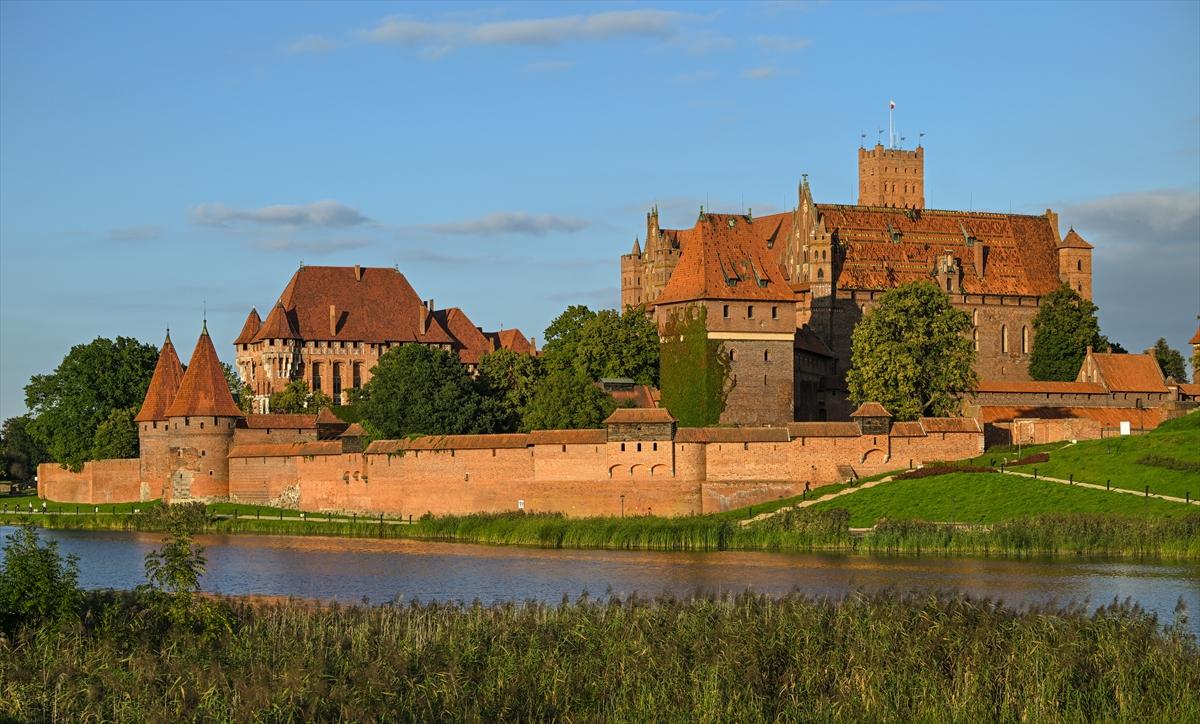
Malbork Castle (Marienburg) is a structure located on the banks of the Nogat River in northern Poland and is known as the largest medieval brick castle in Europe. Construction began in the last quarter of the 13th century by the Teutonic Order and was expanded over time to serve both as a military stronghold and an administrative center. The castle is one of the most important examples of medieval defensive architecture and was inscribed on the UNESCO World Heritage List in 1997.
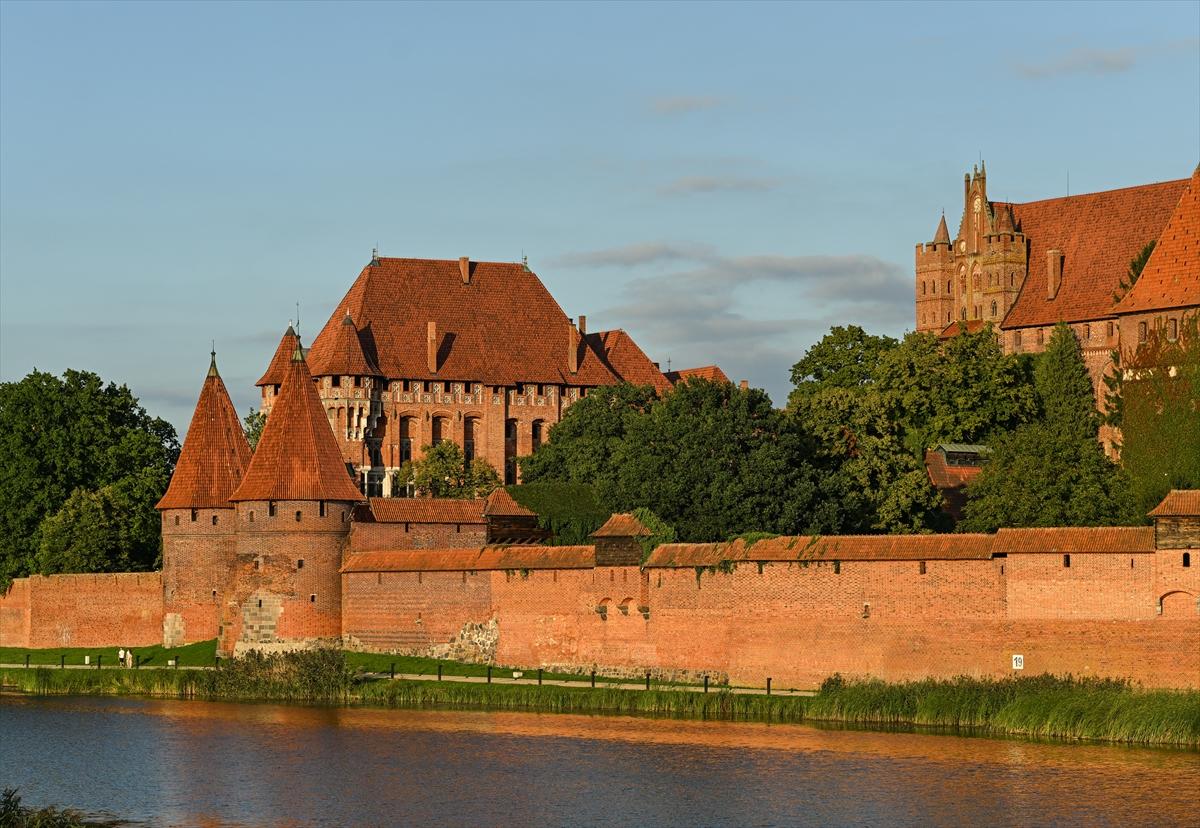
Malbork Castle (AA)
Construction of the castle began in 1276 under the Teutonic Order and was completed in various phases until 1406. In 1309, when the Order’s headquarters were moved from Venice to Malbork, the castle became the most important administrative and military center of the Order. During the Thirteen Years’ War between 1454 and 1466, the Order was forced to hand over the castle to its mercenary troops; in 1457, it was purchased by the people of Gdańsk and handed over to King Casimir IV of Poland. In 1772, following the First Partition of Poland, the castle became part of Prussian territory and was declared a national monument in 1804 by King Frederick William III of Prussia. A comprehensive restoration program was carried out in the 19th century under the direction of Konrad Steinbrecht. The structure suffered severe damage from heavy bombing during World War II and was subsequently rebuilt after the war.
Malbork Castle is one of the most impressive examples of Gothic architecture built in red brick. The castle consists of three main sections:
The castle occupies a vast area enclosed by walls and is notable for its strategic location parallel to the Nogat River.
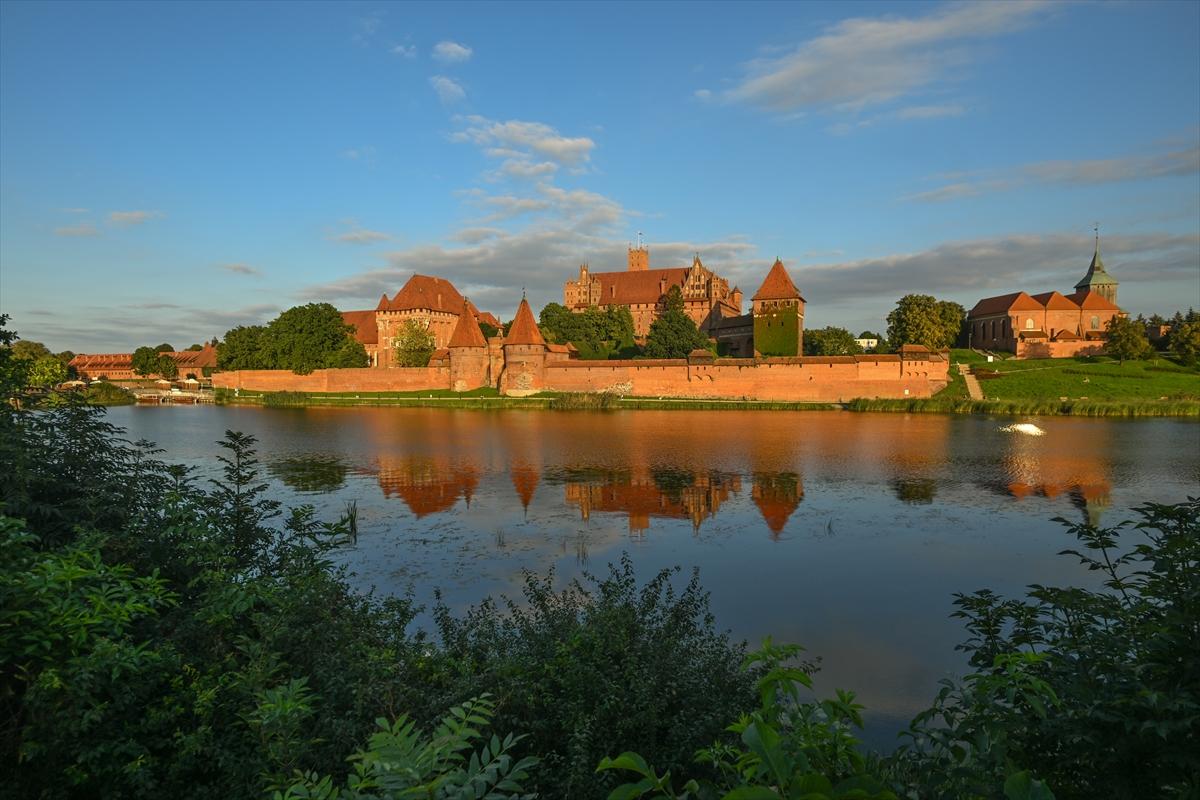
Malbork Castle (AA)
Malbork Castle was not only a military structure but also a center for art and craftsmanship. Particularly striking are the ceramic decorations on the façade of the Church of the Blessed Virgin Mary. Scientific analyses have confirmed that the green-glazed ceramics used here are of medieval origin. These ceramics were colored with lead- and silica-based glazes enriched with copper and iron pigments, and tin and antimony compounds were added to achieve opacity.
In 1949, the castle was converted into a museum complex in Poland. Today, the Malbork Castle Museum offers visitors an extensive collection showcasing medieval architecture, chivalric culture, and the artistic production of the period.
Malbork Castle, inscribed on the UNESCO World Heritage List under the name “Teutonic Order Castle,” is regarded as one of the finest monumental examples of brick Gothic architecture. It is currently preserved through extensive restoration and conservation efforts and continues to stand as one of the most significant representatives of medieval heritage in Europe.

No Discussion Added Yet
Start discussion for "Malbork Castle (Teutonic Order Castle)" article
History
Architectural Features
Art and Decoration
Malbork Castle Museum
Conservation and World Heritage Status