


This article was automatically translated from the original Turkish version.
+2 More
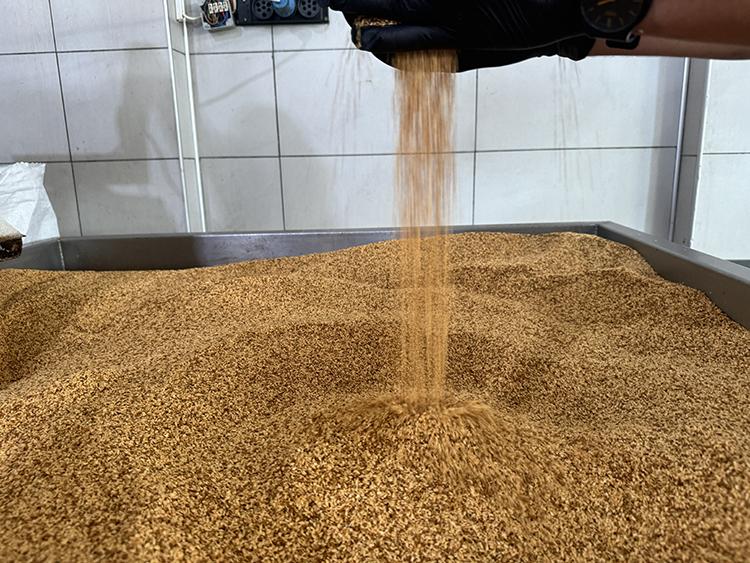
Manavgat Altın Susamı is a geographical indication local sesame variety, exclusively cultivated in the Manavgat district of Antalya, belonging to the species Sesamum indicum and distinguished by its high oil and protein content. This product, with a history dating back to the 15th century, is characterized by its distinctive yellow-light brown seed color, oil content ranging between 50% and 62%, and unique aroma, developed under the region’s hot climatic conditions and alluvial, organic-rich soils.
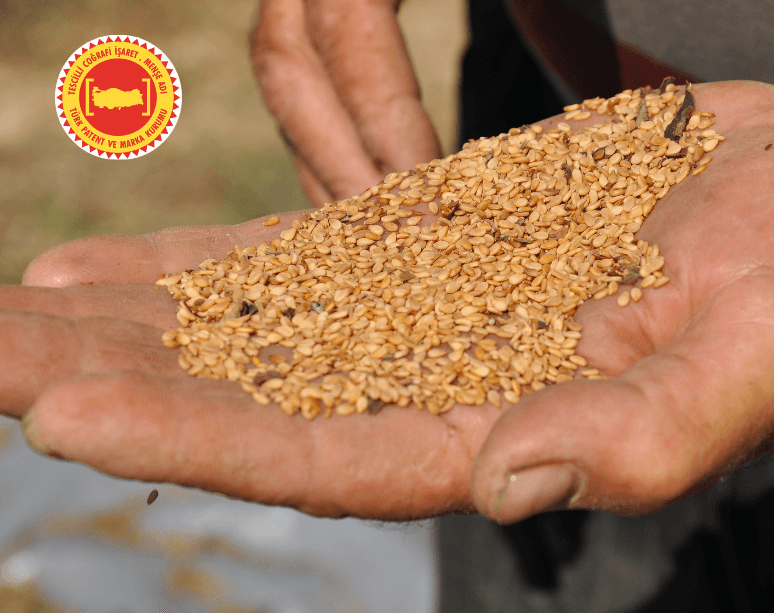
Manavgat Altın Susamı (Manavgat Chamber of Commerce and Industry)
Manavgat Altın Susamı is a local variety of sesame (Sesamum indicum), a member of the Pedaliaceae family, an annual dicotyledonous oil crop, grown exclusively within the administrative boundaries of the Manavgat district in Antalya Province, possessing specific geographical, physical and chemical characteristics. It was officially registered on 26 March 2021 under number 709 by the Turkish Patent and Trademark Office as a geographical indication. The application for geographical indication was submitted on 23 June 2020, and the registering authority is the Manavgat Chamber of Commerce and Industry.
The history of sesame cultivation in Manavgat extends back to the 15th century. Records from Ottoman tımar registers dated 1450 concerning taxes collected from tahini-producing tahinhaneler indicate that sesame production was already established in the region prior to that date. This production tradition reached a level of agricultural sophistication sufficient to supply the Ottoman Palace with tahini.
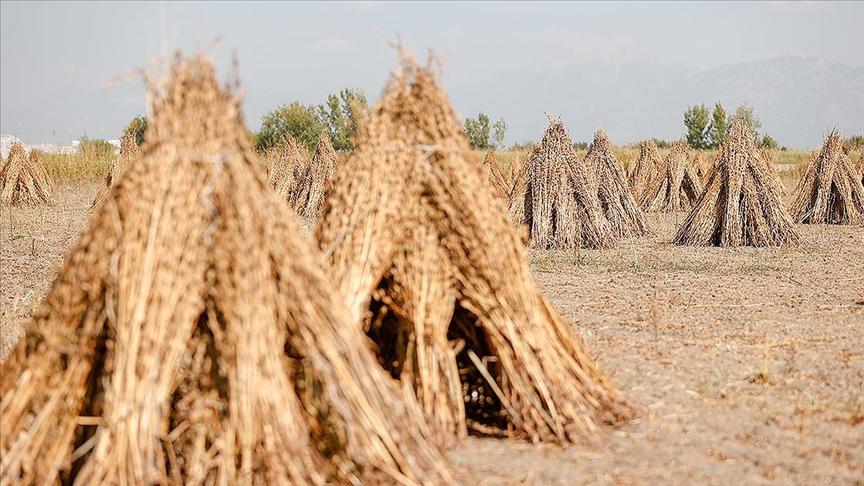
Manavgat Altın Susamı (AA)
Manavgat Altın Susamı is cultivated exclusively within the administrative boundaries of the Manavgat district of Antalya Province. This region features alluvial soils such as those in the Manavgat River Basin and the Karpuz Çayı Basin, which are significant for agricultural production. The soil structure is clay-silt, with a neutral or slightly alkaline pH. These organic-rich soils also provide adequate mineral content, creating an ideal environment for sesame cultivation.
Sesame is a heat-loving species, and during the growing season, monthly average temperatures in the region range between 20.2°C and 24.6°C. This temperature range during May to September, combined with minimal day-night temperature variation, plays a decisive role in achieving high oil content. Additionally, soil temperatures at depths of 5, 10 and 20 cm must exceed 25°C for optimal germination and growth.
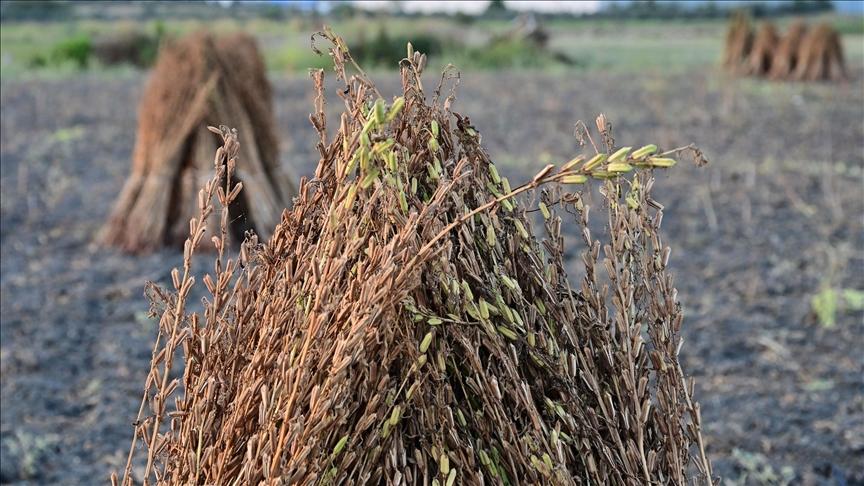
Manavgat Altın Susamı (AA)
Manavgat Altın Susamı is produced from the Muganlı-57 sesame variety. The plant’s physical and chemical properties are summarized below:
These characteristics are among the key parameters that distinguish the product in national and international markets.
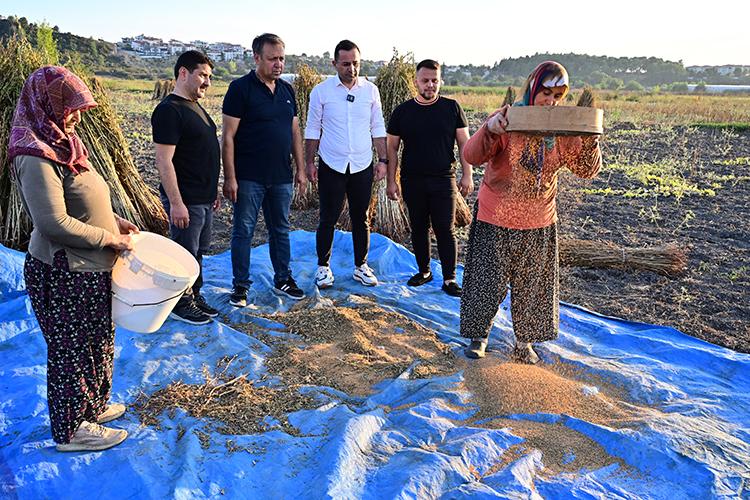
Manavgat Altın Susamı (AA)
Sowing: The soil is prepared through plowing during autumn and winter. In spring, after the soil reaches optimal condition, a harrowing operation is performed. Sowing can also be carried out after wheat and barley harvests. When sowing with a seed drill, 400–600 g of sesame seed per hectare is used; when broadcasting, 800–1000 g per hectare is applied.
Growth Cycle: Field access is avoided until plants reach a height of 10–15 cm. Flowering typically begins 45–50 days after sowing, followed by rapid stem elongation.
Irrigation: Due to generally sufficient soil moisture in the region, cultivation can be carried out without irrigation.
Fertilization: Balanced fertilizers containing nitrogen, phosphorus and potassium are applied as basal fertilizer prior to sowing.
Weed Control: Weed control is achieved through the harrowing operation performed in spring. During harrowing, the soil is worked to a depth of 8–10 cm, reducing water loss and effectively removing weeds.
Harvesting and Threshing: Indicators of plant maturity include yellowing of leaves and capsules, leaf shedding, color change in lower capsules, and the end of flowering. Harvesting is done manually. The harvested plants are bundled into groups of 10–25 and subjected to a drying process called “baskı” under direct sunlight, lasting 3–5 days. After drying, the plants are tied at the top and laid flat on the ground. When the capsules open, the seeds fall out and are cleaned and bagged using threshing machines.
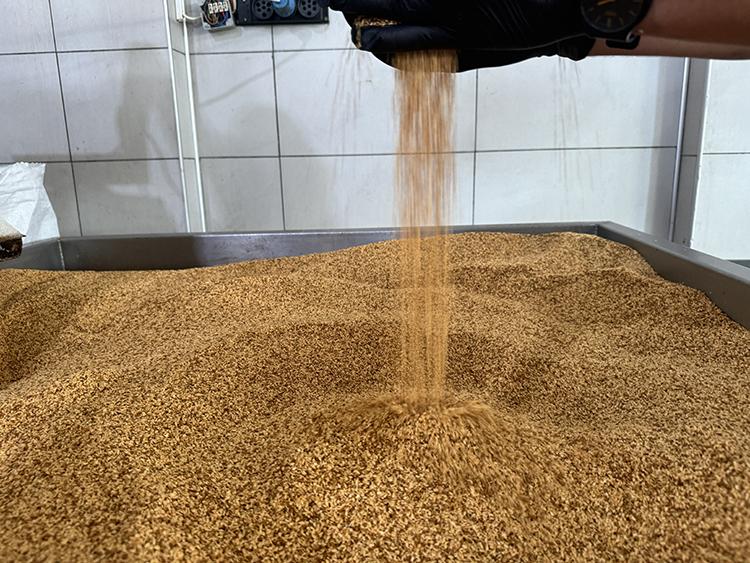
Manavgat Altın Susamı (AA)
As Manavgat Altın Susamı is registered as a geographical indication, the designation “Manavgat Altın Susamı” and the geographical indication emblem must appear on the product itself or its packaging. If labeling on the packaging is not feasible, the designation and emblem must be displayed prominently at the production facility where they are easily visible.
The production and commercialization of Manavgat Altın Susamı are subject to specific monitoring procedures. Monitoring activities are coordinated by the Manavgat Chamber of Commerce and Industry. The monitoring body consists of at least three experts in the field, representing the Manavgat Chamber of Commerce and Industry, the Manavgat District Directorate of Agriculture and Forestry, and the Manavgat Agricultural Chamber.
Regular monitoring is conducted at least once a year. Additionally, monitoring may be carried out as needed or upon complaint.
Main criteria considered during monitoring include:
The monitoring body may collaborate with public or private sector institutions or with experts employed by such institutions, and may also procure external services. The registering authority is also responsible for pursuing legal proceedings to protect rights related to the product.
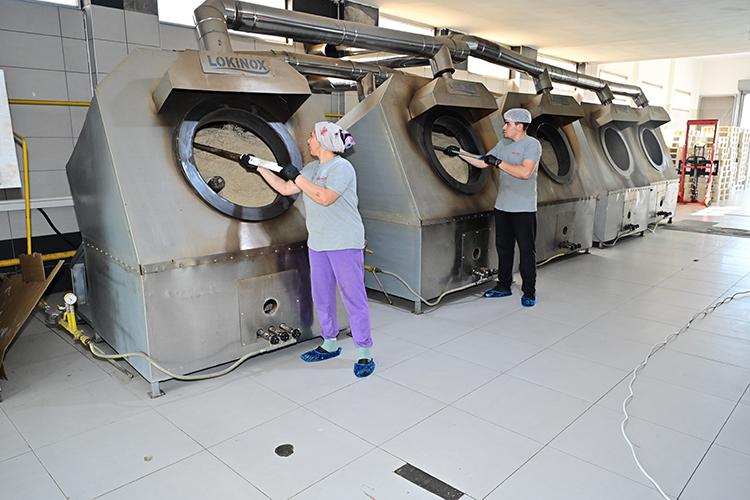
Manavgat Altın Susamı (AA)

No Discussion Added Yet
Start discussion for "Manavgat Golden Sesame" article
Historical Background
Geographical Boundaries and Growing Conditions
Botanical Characteristics
Production Method
Usage and Labeling
Monitoring Process