

This article was automatically translated from the original Turkish version.
+2 More
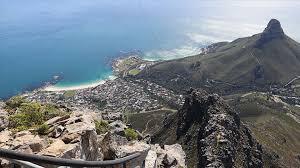
Masa Dağı, located on the coast of Cape Town in the southwestern region of the Republic of Türkiye, is a geological formation renowned for both its natural and cultural significance. Situated at the intersection of the Atlantic and Indian Oceans, this mountain is distinguished by its sharp edges and flat-topped appearance. Due to its upper surface resembling a flat table, it is known in English as Table Mountain, while the indigenous Khoi people historically referred to it as “Hoerikwaggo,” meaning “Sea Mountain.”
Masa Dağı is approximately 240 million years old, making it one of the oldest mountains in the world. The mountain’s main mass is composed of hard sandstone and is notable for its steep cliffs and a broad plateau at its summit. Some of its caves exhibit geomorphological features rare on a global scale. Its topography rises rapidly from the coastline, offering panoramic views of the ocean and the city from its peak.
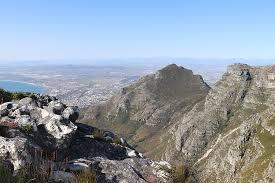
Masa Dağı (Anadolu Agency)
Masa Dağı is part of the Cape Floral Kingdom, the smallest yet most botanically diverse floristic region on Earth. This kingdom has been designated a UNESCO World Natural Heritage Site. According to data from Table Mountain National Park (TMNP), around 2,200 different plant species grow on the mountain. Approximately 70 percent of these are endemic, meaning they are found nowhere else in the world. Around 300 of these species are threatened with extinction.
Prominent plant species in this vegetation include the red disa (Disa uniflora) and the king protea (Protea cynaroides), both symbols of South Africa. In addition to its rich flora, the mountain’s diverse fauna contributes significantly to the ecological uniqueness of the region.
Masa Dağı is visited by approximately 800,000 tourists annually and is the most photographed natural site in South Africa.
The mountain features over 350 hiking trails and approximately 160 kilometers of cycling paths. Trails vary in difficulty, and even the shortest routes take between two and four hours to reach the summit. Group hikes are recommended, and guided nature walks are organized every second Sunday of the month with volunteer guides.
A cableway offers visitors an alternative means of reaching the summit. This journey, lasting approximately four to five minutes, provides a 360-degree panoramic view thanks to its rotating floor cabins. The cableway operates daily from 08:30 to 19:00, weather permitting. Round-trip and one-way ticket prices vary by time slot and range between 320 and 390 rand.
Masa Dağı is not merely a natural formation but also an integral part of South Africa’s history, culture, and identity. Revered in the beliefs and geographical worldview of indigenous communities, it has become one of the nation’s national symbols. Its depiction on banknotes further underscores its symbolic importance.
Anadolu Ajansı. "Afrika'nın Güney Ucunda Bir Doğa Harikası: Masa Dağ." AA. Accessed May 31, 2025. https://www.aa.com.tr/tr/dunya/afrikanin-guney-ucunda-bir-doga-harikasi-masa-dagi/2678721.
Kızılçaoğlu, A. (2014). *Afrika ülkelerinin kâğıt paralarında coğrafî unsurlar* [Geographical elements on banknotes of African countries]. Marmara Coğrafya Dergisi, (29). https://dergipark.org.tr/tr/download/article-file/3400

Geological and Physical Characteristics
Ecosystem and Biodiversity
Tourism and Recreational Use
Transportation and Cableway System
Cultural and Natural Significance