


This article was automatically translated from the original Turkish version.
+1 More
Megacity
Definition(s) | Cities with a population over 10 million are of major economic cultural and political importance. | ||||||||
|---|---|---|---|---|---|---|---|---|---|
Emergence | They emerged from industrialization, migration and rapid urbanization since the mid-20th century. | ||||||||
First Use of the Term | The United Nations (UN) has used the term "megacity" since the 1960s to define cities with a population over 10 million. | ||||||||
Leading Megacities | Tokyo, Delhi, Shanghai, Dhaka, Cairo, São Paulo, Mexico City, Beijing, Mumbai, Osaka | ||||||||
Megacities are large cities with a population exceeding 10 million and typically feature high population density along with numerous economic activity and production facilities. These cities have evolved into economic cultural and social hubs on a world scale. The rapidly growing populations of megacities have transformed them into centers of economic activity as well as major sources of pollution associated with environmental degradation.
The environmental impacts of megacities are particularly evident in the increase of greenhouse gas emissions. A large portion of these emissions stems from high levels of industrial activity within megacities. This situation has emerged as one of the factors contributing to climate change. While megacities face challenges such as intense urbanization infrastructure deficiencies and environmentally insensitive growth like they also possess a significant labor force potential and considerable cultural diversity.
The term “mega” is derived from the French méga or English mega root meaning “large.” The ancient Greek word mégas also carries the meaning of “large.” In this context the term “megacity” can be defined as “very large” or “extremely grown city.” Characteristics of megacities include high population density advanced transportation infrastructure large trade and finance centers extensive industry areas and significant cultural heritage.
Over time megacities have exerted substantial influence at regional and global scales due to these characteristics. However their sustainable management faces serious challenges including environmental problems and social inequalities. These challenges raise important questions about how megacities will evolve in the future.
The Industrial Revolution laid the groundwork for accelerated urbanization and the emergence of large cities. In the 19th century London and New York expanded rapidly as centers of industrial production fueled by massive population waves.
As of 2024 there are more than 30 megacities worldwide. According to the World Population Review the ten largest megacities by continent are listed below:
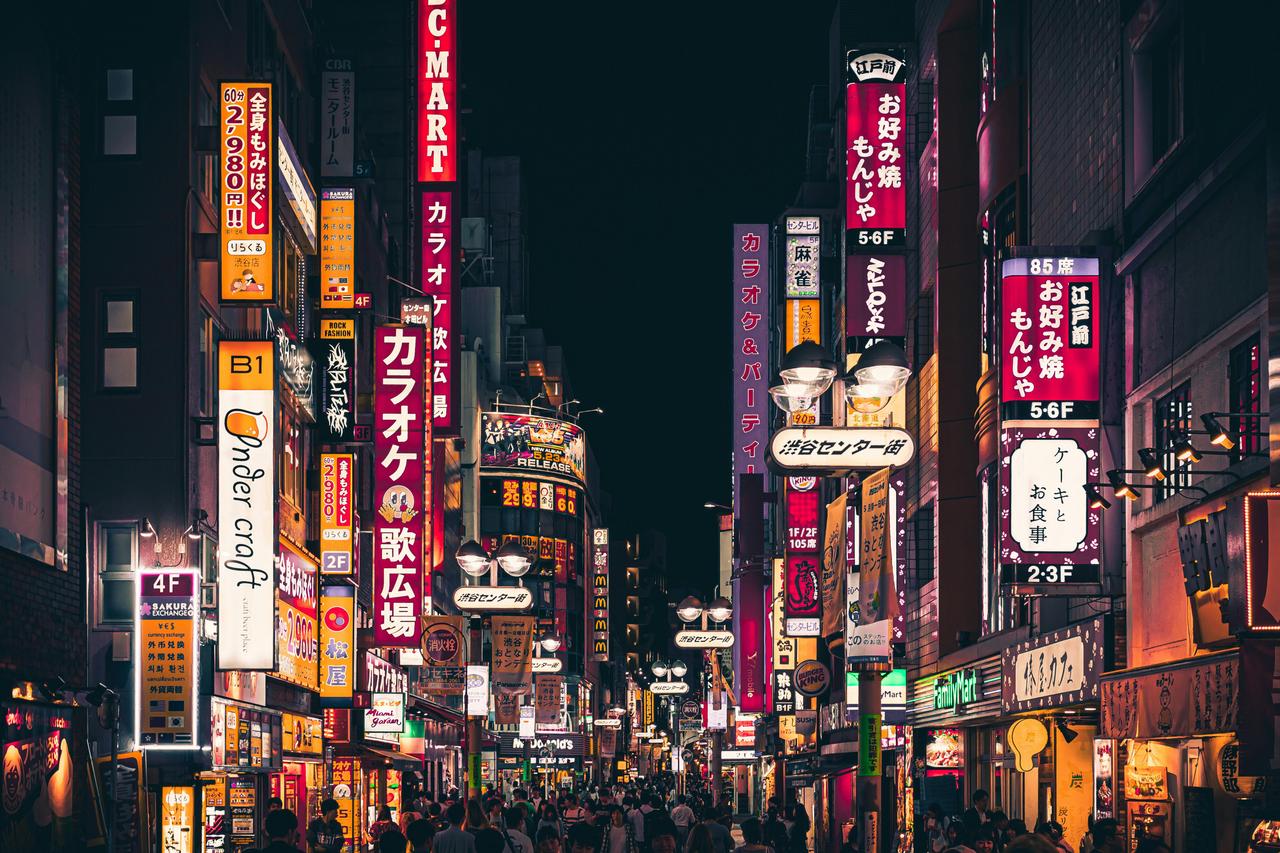
Tokyo Japan. (Source: Aleksandar Pasaric)
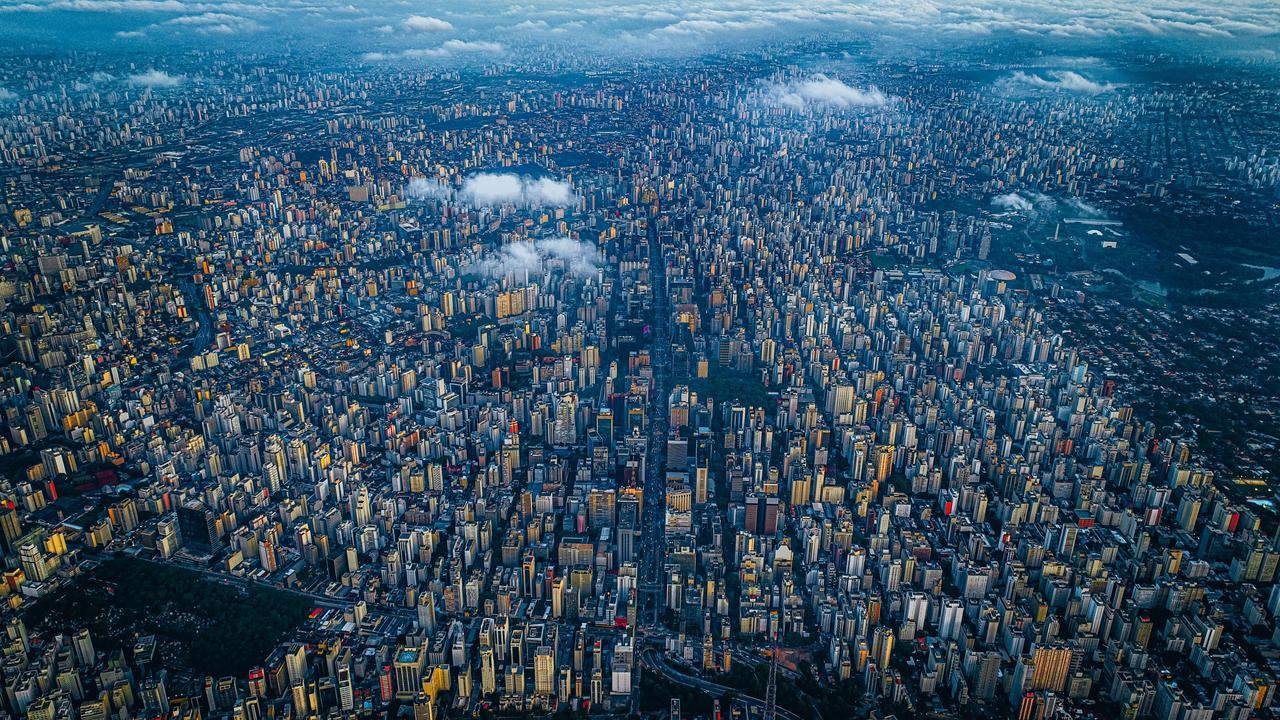
São Paulo Brazil. (Source: Sérgio Souza)
The majority of megacities are located in the Asia continent where urbanization continues at a rapid pace.
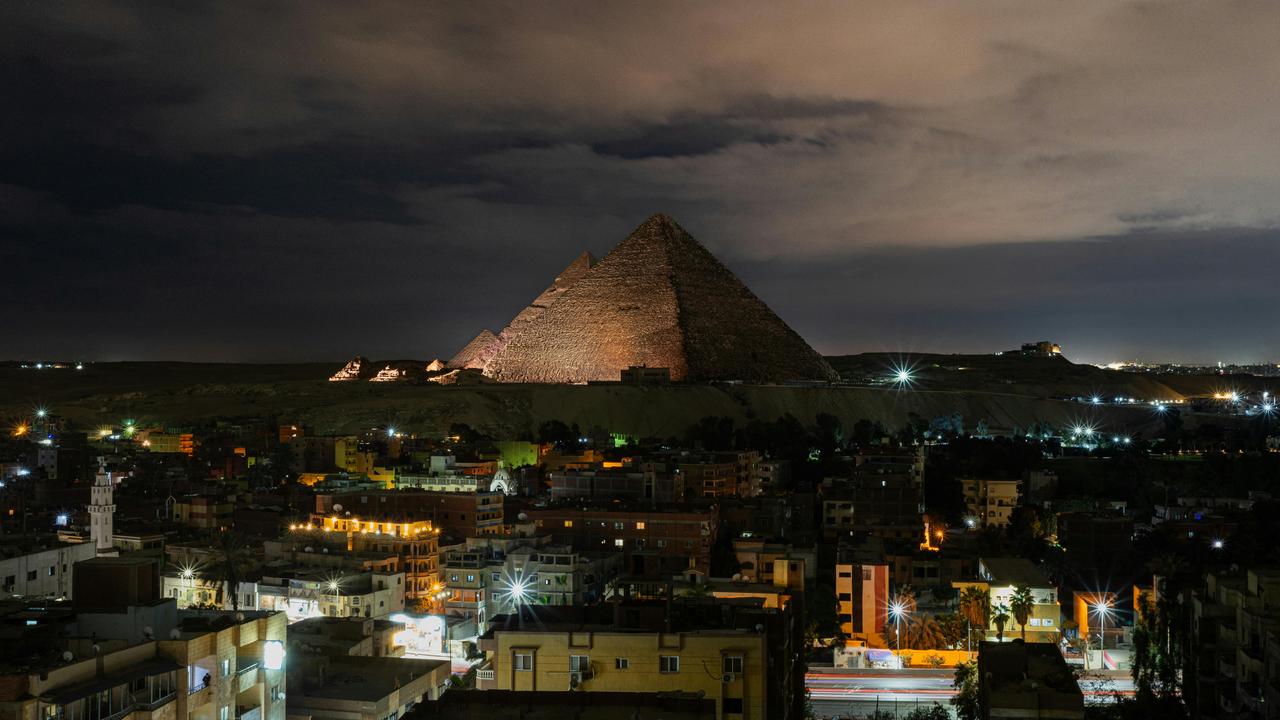
Cairo Egypt. (Source: Matheus De Moraes Gugelmim)
Numerous initiatives are underway to ensure the sustainability of megacities:
Megacities offer significant opportunities as economic cultural and technological hubs yet they also confront environmental and social challenges. Academic studies support the need for planning and policies to be implemented in a coordinated manner to ensure that these cities develop into sustainable and livable current state in the future.
"Megakent." *Nişanyan Sözlük*. Accessed April 3, 2025. https://www.nisanyansozluk.com/kelime/megakent.
"Megakent." *Türk Dil Kurumu.* Accessed April 3, 2025. https://sozluk.gov.tr/?ara=megakent.
Başa, Ş., Sağır Kurt, E., Atlı, E., and Çarpar, T. 2024. "İklim Değişikliğine Dayanıklı Bir Mega Kent Olma Yolunda, İstanbul." *Resilience* 8 (2): 185–203. https://doi.org/10.32569/resilience.1499687. Accessed https://dergipark.org.tr/tr/pub/resilience/issue/89124/1499687.
Fitzgerald, Des, Nick Manning, Nikolas Rose, and Hua Fu. “Mental Health, Migration and the Megacity.” *International Health* 11, Supplement_1 (November 2019): S1–S6. https://doi.org/10.1093/inthealth/ihz087. Accessed https://academic.oup.com/inthealth/article/11/Supplement_1/S1/5610262.
Ochnik, D., B. Buława, P. Nagel, and others. “Urbanization, Loneliness and Mental Health Model - A Cross-Sectional Network Analysis with a Representative Sample.” *Scientific Reports* 14 (2024): 24974. https://doi.org/10.1038/s41598-024-76813-z. Accessed https://www.nature.com/articles/s41598-024-76813-z.
Pexels. "Kent, Şehir, Kent Simgesi, Görülecek Yer." Accessed April 3, 2025. https://www.pexels.com/tr-tr/fotograf/kent-sehir-kent-simgesi-gorulecek-yer-20290835/.
Pexels. “Işık, Parlak, Açık, Hafif.” Accessed April 3, 2025. https://www.pexels.com/tr-tr/fotograf/isik-parlak-acik-hafif-6635766/.
Pexels. “Sokakta Yürüyen İnsanlar.” Accessed April 3, 2025. https://www.pexels.com/tr-tr/fotograf/sokakta-yuruyen-insanlar-2506923/.
Pexels. “São Paulo, Brezilya'nın Geniş Kentsel Peyzajı.” Accessed April 3, 2025. https://www.pexels.com/tr-tr/fotograf/sao-paulo-brezilya-nin-genis-kentsel-peyzaji-29556256/.
Wallpaper. "Hedonistic Sustainability in Cities." Accessed April 3, 2025. https://www.wallpaper.com/architecture/what-is-hedonistic-sustainability.
World Population Review. "Largest Cities in the World 2024." Accessed April 3, 2025. https://worldpopulationreview.com/cities.

Megacity
Definition(s) | Cities with a population over 10 million are of major economic cultural and political importance. | ||||||||
|---|---|---|---|---|---|---|---|---|---|
Emergence | They emerged from industrialization, migration and rapid urbanization since the mid-20th century. | ||||||||
First Use of the Term | The United Nations (UN) has used the term "megacity" since the 1960s to define cities with a population over 10 million. | ||||||||
Leading Megacities | Tokyo, Delhi, Shanghai, Dhaka, Cairo, São Paulo, Mexico City, Beijing, Mumbai, Osaka | ||||||||
Historical Development of Megacities
Megacities Today
Asia
America
Africa and the Middle East
Advantages and Disadvantages of Megacities
Advantages
Disadvantages
Societal Impacts of Megacities
Psychological Effects
Sociological Effects
Future Perspectives and Sustainability
