

+2 More

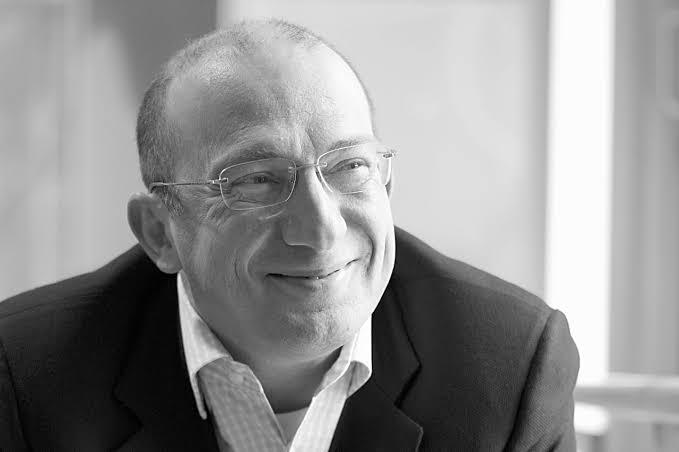
Mehmet Toner (born 1958, Istanbul) is a Turkish scientist internationally recognized for his contributions to biomedical engineering and medical technologies. His research on microfluidic systems for early cancer diagnosis has pioneered significant advances in medical research. Toner, who has worked at Harvard University and Massachusetts General Hospital, has authored numerous innovations in cancer diagnosis, tissue engineering, and personalized medicine.
Mehmet Toner was born in Istanbul and spent his childhood there. He completed his secondary education at Istanbul Boys’ High School. He earned his undergraduate degree in Mechanical Engineering at Istanbul Technical University. After completing his undergraduate studies, he moved to the United States to pursue graduate education at the Massachusetts Institute of Technology (MIT). During his education, he developed a strong interest in the intersections of engineering, biology, and medicine.
Toner focused his work at Massachusetts General Hospital and Harvard Medical School on microfluidic systems and biomedical engineering. He played a leading role in developing the “CTC-chip” technology, which enables the isolation of cancer cells from blood. This technology is regarded as a revolutionary method for detecting metastatic cancer.
He has also developed innovative solutions in tissue engineering, preservation of biological samples, and rare cell isolation. The systems he designed are also used in the diagnosis of infectious diseases and personalized medicine applications.
Mehmet Toner has received numerous national and international awards for his work. In 2015, he was elected to the National Academy of Engineering in the United States. He is also a recipient of prestigious engineering awards from the American Society of Mechanical Engineers (ASME).
In addition to his intensive academic work, he is interested in photography and classical music. He lives with his family in the United States.
The microfluidic technologies developed by Mehmet Toner are widely used around the world in cancer diagnosis and treatment processes. His students and research projects have contributed to opening new avenues of inquiry in the field of biomedical engineering.
Early Life and Education
Career and Scientific Research
Awards and Achievements
Personal Life
Legacy and Impact