

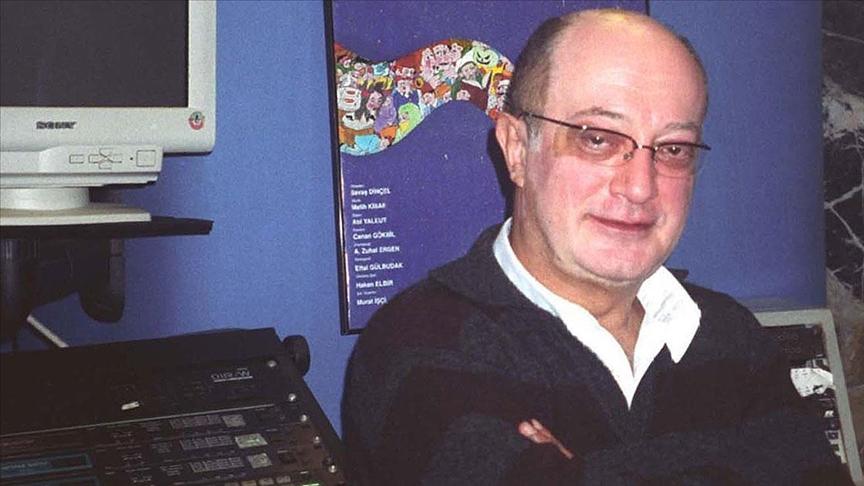
+2 More

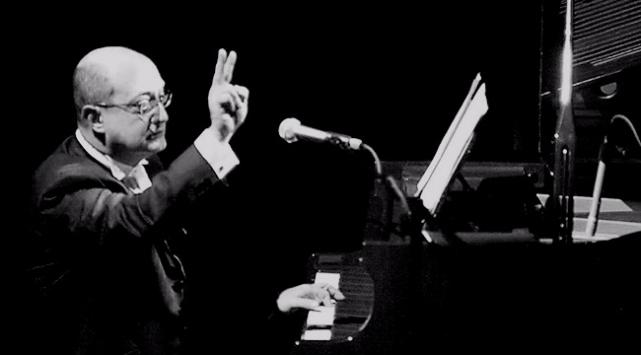
Melih Kibar
Date of Birth | 6 September 1951 | ||||||||
|---|---|---|---|---|---|---|---|---|---|
Place of Birth | Istanbul, Türkiye | ||||||||
Date of Death | 7 April 2005 | ||||||||
Place of Burial | Nakkaştepe Cemetery, Istanbul | ||||||||
Educational Life | music education: piano lessons at the Istanbul Municipal Conservatory at age 8 university: Robert College (Chemical Engineering) and subsequently Boğaziçi University Primary and secondary education: Istanbul German High School | ||||||||
Music Career | Eurovision: 1975 – “Çoban Yıldızı” (Türkiye Preliminaries) and 1986 – “Halley” (brought Türkiye 9th place at Eurovision) first professional work: 1974 / “Panayır Günü” with Timur Selçuk Orchestra First award: 1970 / Milliyet Inter-School Music Competition – “Best Composition” | ||||||||
Melih Kibar is a composer who made significant contributions to the music scene in Türkiye during the second half of the 20th century. His creative process is primarily associated with popular music, cinema, radio, television and competition-based music. He composed works for various media and earned a place in multiple archives and repertoires through his light vocal music pieces as well as scores he created for Yeşilçam era films.
Melih Kibar was born in Istanbul on 6 July 1951. At the age of eight, he began piano lessons at the Istanbul Conservatory and completed his primary and secondary education at the Istanbul German High School. During this period, he was introduced to polyphonic music based on Western classical traditions.
In 1970, he participated in the National High School Music Competition organized by the newspaper Milliyet and won the “Best Composition” award for his piece “work”. After completing high school, he enrolled in a chemical engineering program at Robert College and completed his higher education at Boğaziçi University.
In 1974, Melih Kibar began working with the Timur Selçuk Orchestra, playing organ on its released album and thus making his first professional music recordings. That same year, his composition “Panayır Günü” was published on Timur Selçuk’s album and later used as background music in several cinematic productions.
In the mid-1970s, Kibar entered a phase of regular production in the field of popular music. In 1975, he participated in the Turkish National Selection for the Eurovision Song Contest, organized by the Turkish Radio and Television Corporation (TRT), with his instrumental piece “Shepherd Yıldızı”. The piece did not advance to the final; however, it was later included in the repertoire of various musical events.

An infographic summarizing Melih Kibar’s life, music career and major works in chronological order.
In 1975, Melih Kibar began a collaboration with lyricist Çiğdem Talu, during which he composed music for several of her songs. The resulting works were performed by various artists of the era, notably Erol Evgin. Some of the songs from this repertoire include:
These songs were frequently broadcast on TRT’s music programs during the 1970s and 1980s. Most of Kibar’s compositions from this period became part of the Turkish-language light music repertoire. The melodic structures of these pieces possess formal characteristics that lend themselves well to polyphonic arrangements and orchestral applications.
From the mid-1970s onward, Melih Kibar composed music for feature films. His work in this field is particularly associated with productions by Arzu Özyiğit. He created film scores for the following titles:
The following thematic and structural features are identified in the music composed for these films:
The main theme composed for the Hababam Sınıfı series won the “Best Film Music” award at the Antalya Golden Orange Film Festival.

In 1986, the song “Halley”, with lyrics by İlhan İrem and music by Melih Kibar, was performed by the group Klips ve Onlar and represented Türkiye at the Eurovision Song Contest. The piece secured Türkiye’s highest placement to date at the time, achieving 9th place.
“Halley” exhibits technical characteristics aligned with the electronic pop music trends of the 1980s. Kibar’s contribution to this contest is regarded within the context of Türkiye’s broader music policies aimed at international representation during that era.
In 2000, the music Melih Kibar composed for Turgut Özakman’s play Sersem Kocanın Kurnaz Karısı, staged by State Theatre, earned him the “Best Composer” award at the Afife Theatre Awards.
In 2001, the album Yadigâr featured re-recordings of some of Kibar’s earlier compositions performed by various artists, including Candan Erçetin, Yaşar, Emre Altuğ, Demet and Yeşim Salkım. The album facilitated the renewed circulation of Kibar’s earlier works through new recordings.
Melih Kibar’s musical output spanned multiple media platforms from the 1970s to the 2000s. His works have been used in television broadcasting, cinema, stage arts and music competitions. In this context, his contributions are considered both within the Turkish-language light music repertoire and within audiovisual media.
Some of Kibar’s compositions continue to be performed in concert programs today and are also preserved as archival materials studied in musicology and cultural research.
Melih Kibar passed away in Istanbul on 7 July 2005 due to cancer disease. He was buried at Nakkaştepe Cemetery. In the aftermath of his death, memorial events were organized by various media outlets and music institutions, and his life story and musical legacy were discussed across multiple platforms.
Anadolu Ajansı. "Unutulmayan Film Müziklerinin Bestecisi Melih Kibar." Accessed April 6, 2025. https://www.aa.com.tr/tr/kultur-sanat/unutulmayan-film-muziklerinin-bestecisi-melih-kibar/2199771.
Anadolu Ajansı. "Yeşilçam’ın Sevilen Film Müziklerinin Bestecisi Melih Kibar." Accessed April 6, 2025. https://www.aa.com.tr/tr/kultur/yesilcamin-sevilen-film-muziklerinin-bestecisi-melih-kibar/2865291.
Biyografi.net.tr. "Melih Kibar Kimdir?" Accessed April 6, 2025. https://www.biyografi.net.tr/melih-kibar-kimdir/.
Biyografiler.com. "Melih Kibar." Accessed April 6, 2025. https://www.biyografiler.com/kimdir/melih-kibar.
Kim Kimdir?. "Melih Kibar." Accessed April 6, 2025. http://www.kimkimdir.net.tr/kisiler/melih-kibar.
Sinematurk. "Melih Kibar." Accessed April 6, 2025. https://www.sinematurk.com/kisi/1740-melih-kibar.
TRT Haber. "Melih Kibar’ın Vefatının Üzerinden 13 Yıl Geçti." Accessed April 6, 2025.

Melih Kibar
Date of Birth | 6 September 1951 | ||||||||
|---|---|---|---|---|---|---|---|---|---|
Place of Birth | Istanbul, Türkiye | ||||||||
Date of Death | 7 April 2005 | ||||||||
Place of Burial | Nakkaştepe Cemetery, Istanbul | ||||||||
Educational Life | music education: piano lessons at the Istanbul Municipal Conservatory at age 8 university: Robert College (Chemical Engineering) and subsequently Boğaziçi University Primary and secondary education: Istanbul German High School | ||||||||
Music Career | Eurovision: 1975 – “Çoban Yıldızı” (Türkiye Preliminaries) and 1986 – “Halley” (brought Türkiye 9th place at Eurovision) first professional work: 1974 / “Panayır Günü” with Timur Selçuk Orchestra First award: 1970 / Milliyet Inter-School Music Competition – “Best Composition” | ||||||||
Childhood and Education Years
Beginning of Musical Career and Early Works
Collaboration with Çiğdem Talu and the Popular Music Repertoire
Cinema and Television Music
Eurovision Song Contest and International Activities
Albums, Theatre Music and Other Works
His Place in Turkish Music
Death and Aftermath