
This article was automatically translated from the original Turkish version.
+2 More
(Anadolu Ajansı)
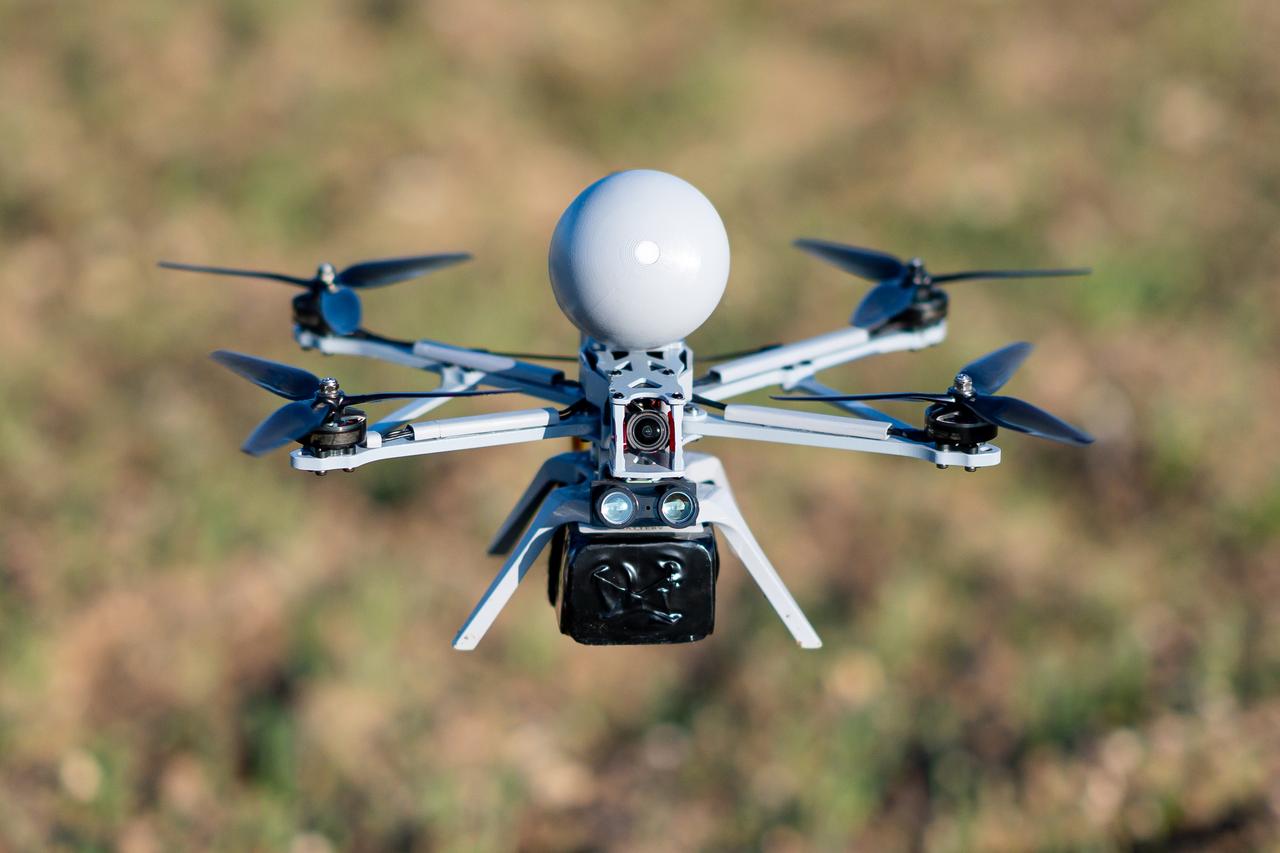
MERKÜT Kamikaze UAV, developed by TİTRA Technology and its subsidiary SAVX Technology under Pasifik Technology, is a locally designed rotary-wing (multi-rotor) FPV (First Person View) kamikaze unmanned aerial vehicle. It was engineered to respond to asymmetric threats and modern battlefield requirements, particularly drawing on lessons learned from new-generation combat tactics emerging in the Ukraine-Russia war. The system, introduced into the Turkish Armed Forces inventory with wired and thermal camera variants, demonstrates high resilience in electronic warfare conditions.
The MERKÜT has a flight endurance of 20 minutes and an operational range of 8 kilometers. Thanks to its encrypted command and control link, high-security digital video transmission, and advanced electronic countermeasure capabilities, it can perform uninterrupted missions in challenging electronic warfare environments, even without reliance on global positioning systems (GPS) and in the presence of jamming systems. Equipped with a thermal camera and a rain-resistant airframe, it is operational under diverse and harsh weather conditions including night, day, and heavy rainfall. To maximize operator safety, it supports wired operation and external communication system integration.
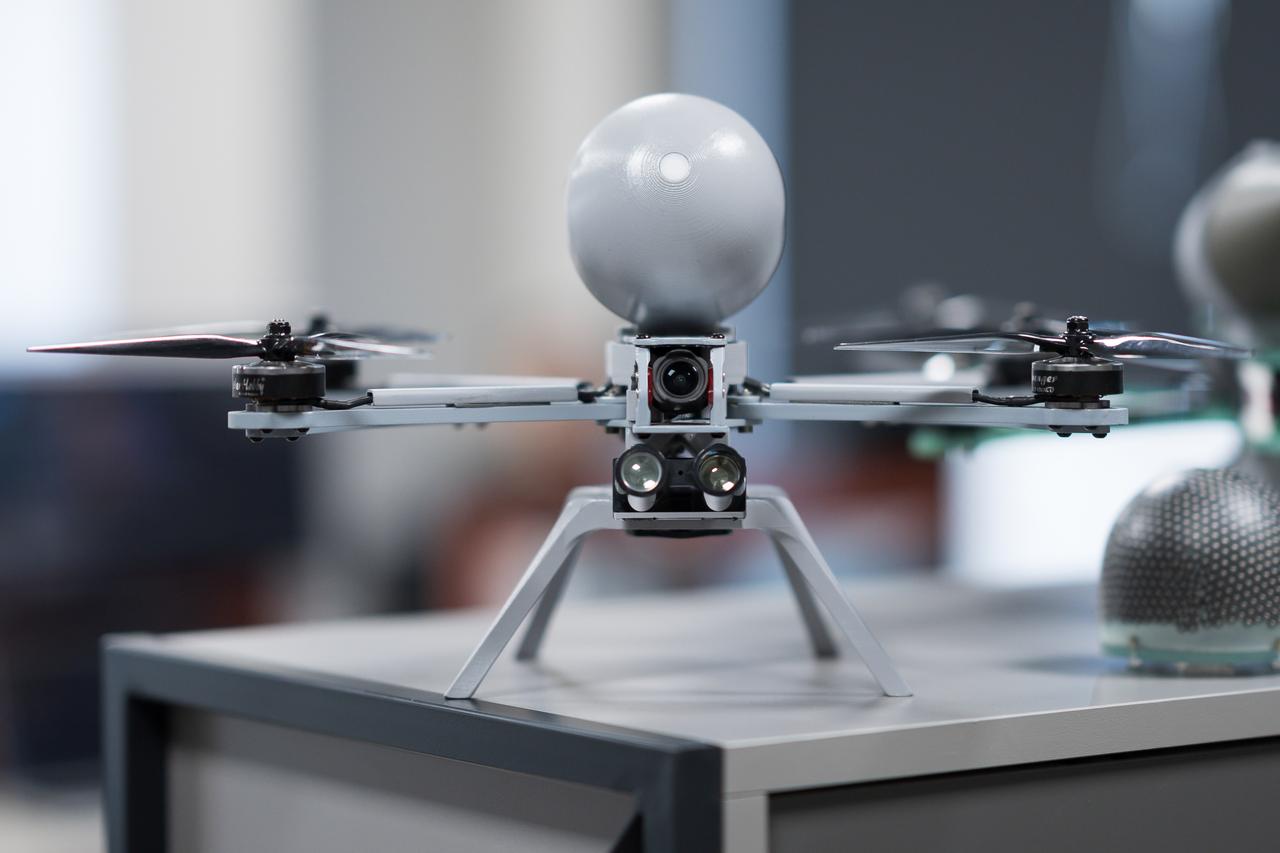
MERKÜT Kamikaze UAV (Anadolu Ajansı)
The platform can be configured with various warheads tailored to anti-personnel, anti-material, and structural targets based on mission requirements. Its baseline configuration employs a guided munition consisting of approximately 950 fragments designed for anti-personnel effects. An integrated proximity sensor triggers the munition automatically at a pre-set distance between 20 centimeters and 5 meters from the target, without requiring the operator to wait for direct impact. This feature allows the operator to focus solely on target acquisition while ensuring homogeneous fragment dispersion for maximum damage.
Critical security vulnerabilities common in military FPV drones have been largely addressed in the MERKÜT’s design. The system features a dual-safety arming mechanism combining mechanical and electronic safeguards to prevent accidental detonation. The arming system activates only when the drone reaches a safe altitude and receives an explicit operator command. The mechanical barrier ensures the munition remains secure under all conditions and provides protection against heat. In the event of mission cancellation, this system ensures the munition remains safe, enabling the drone to land safely and be reloaded for reuse.
The MERKÜT FPV is compatible with SAVX Technology’s multi-purpose “KORGAN” smart drone station platform, originally developed for smaller UAVs. The KORGAN system, which can be rapidly integrated onto fixed positions as well as suitable land and sea platforms, enables the simultaneous “salvo” launch of three MERKÜT drones. Beyond serving as a storage and launch unit, the platform also functions as a data node that maintains communication between the drone and the operator after launch.
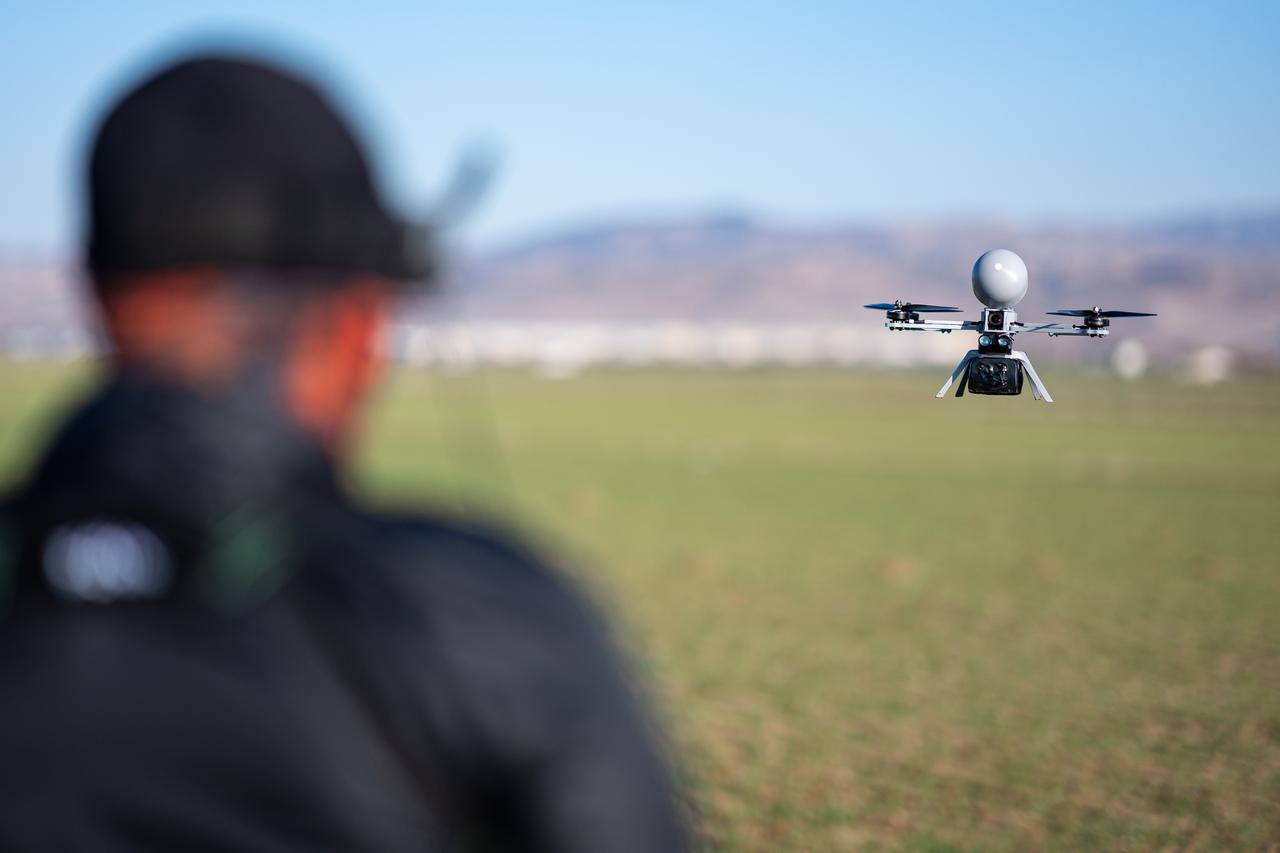
One Frame from Test Flights of the MERKÜT Kamikaze UAV (Anadolu Ajansı)
In addition to ground targets, the system has been adapted to function as a detection and strike asset against other unmanned aerial vehicles within an air-to-air defense concept. Leveraging multi-spectral image processing and artificial intelligence-assisted target recognition technology, it can detect and lock onto hostile UAVs in flight. Upon approaching the target within effective range, its proximity sensor triggers detonation, destroying the target through fragment effects. Additionally, tests are underway to explore non-explosive kinetic impact concepts for directly disabling enemy UAVs through collision alone.
With a high level of local content, the MERKÜT’s airframe, speed control boards, flight control boards, and arming software have all been designed using domestic capabilities and are now in high-volume serial production. SAVX Technology plans to integrate armor-piercing munitions in future variants to neutralize heavily armored threats. Furthermore, ongoing development focuses on implementing fiber-optic data transmission to achieve complete immunity to electronic warfare interference, as well as AI-assisted autonomous target detection and tracking algorithms designed to reduce operator workload and enhance strike precision.
The name “MERKÜT” derives from a legendary eagle figure in Turkish and Altay mythology. In mythological texts, Merküt (or Markut) is described as a hunting bird that guides shamans and is associated with the sky. The name was chosen for the UAV due to the functional similarity between the mythical bird’s diving and hunting behaviors and the system’s FPV flight dynamics and kamikaze strike capabilities.
The MERKÜT platform is exporting unmanned systems and swarm technologies to international markets. It is part of Pasifik Technology’s defense industry portfolio.
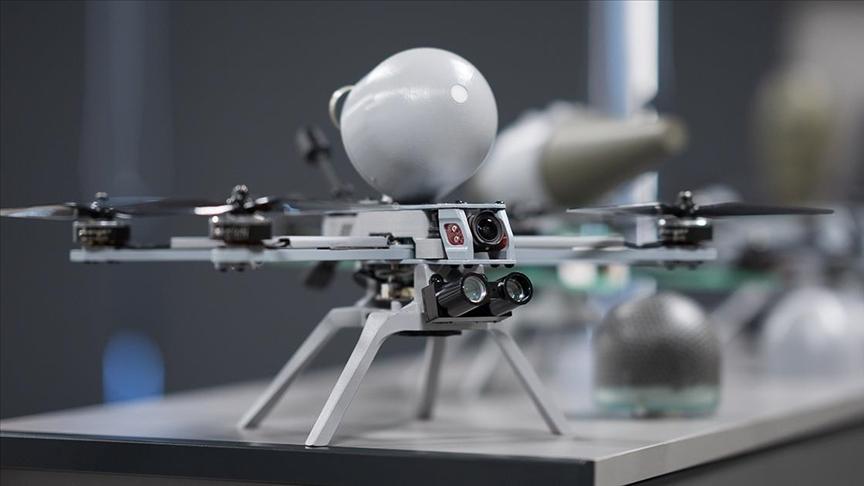
MERKÜT Kamikaze UAV (Anadolu Ajansı)
The platform achieved its first international sale through a package deal covering a delivery of 100,000 units under a framework agreement signed with a technology company from a friendly country. This export strategy includes not only physical delivery of products but also the establishment of a joint venture in the buyer country, technology transfer, and local production initiatives.
In addition to the MERKÜT FPV systems, the first export package also introduced to the international market unmanned helicopter systems (ALPİN and DUMRUL), the tactical kamikaze platform (DELİ), and 500 KORGAN autonomous ground support and observation units. Export and joint production initiatives for the system continue internationally.


(Anadolu Ajansı)
No Discussion Added Yet
Start discussion for "MERKÜT Kamikaze UAV" article
Design and Operational Features
Warhead and Impact Capability
Safety and Arming System
KORGAN Platform Integration and Multi-Launch Capability
Air-to-Air Defense (Anti-Drone) Concept
Production and Future Developments
Name Origin
Market Position and Export Activities