


This article was automatically translated from the original Turkish version.

Hydrangea is a plant species belonging to the Hydrangea genus, thriving in temperate climates and known for its ornamental flowers. Typically recognized by its large, showy flower clusters, the hydrangea is cultivated on a world scale for its aesthetic and cultural value. The hydrangea flower is notable for its numerous varieties and its ability to change color. It is a frequently preferred plant both in gardens and indoor spaces.
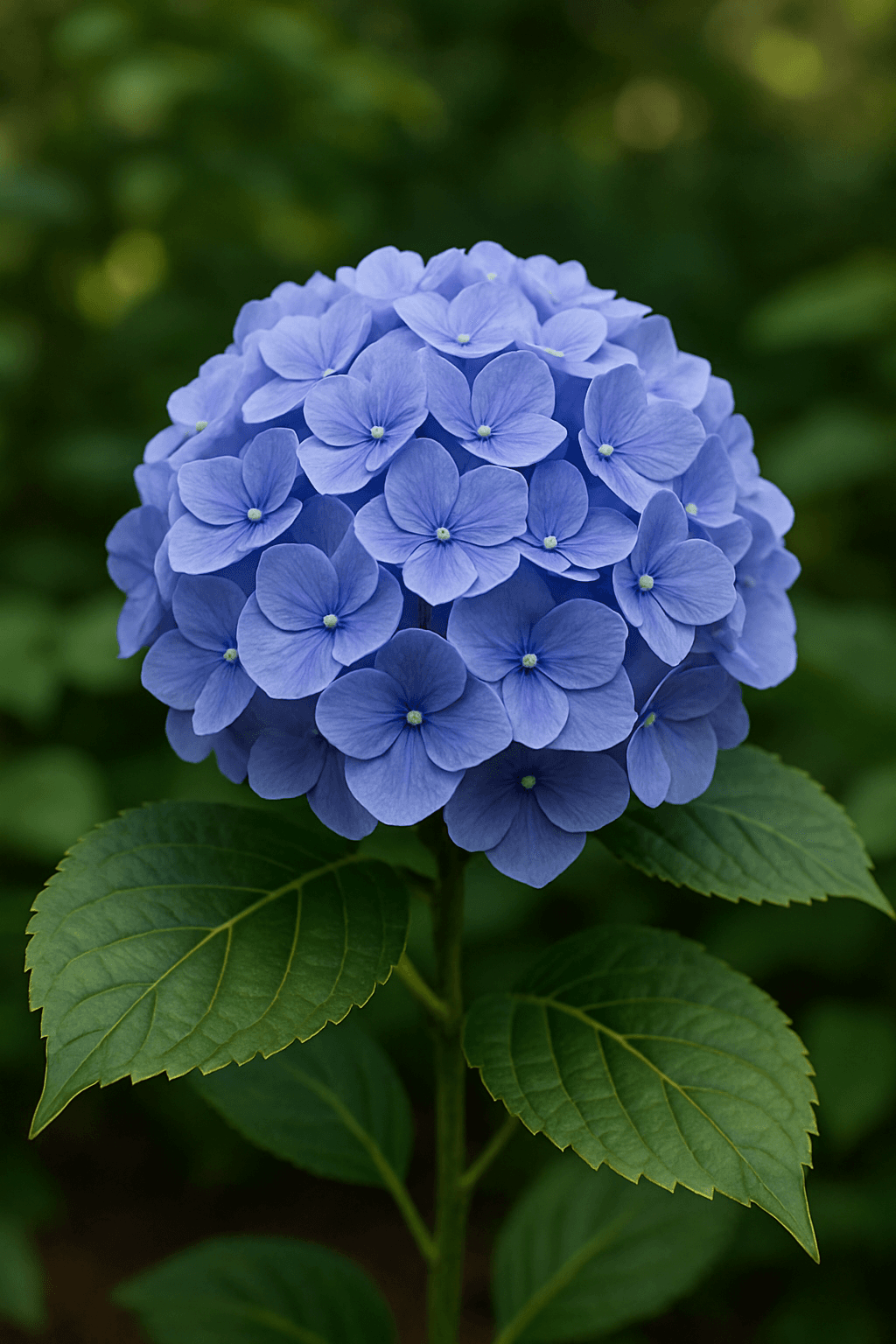
Hydrangea flower generated by artificial intelligence.
Hydrangea, known in Latin as Hydrangea, derives its name from the Greek words "water" (hydros) meaning water and "angeion" meaning vessel, highlighting the plant’s high water consumption. It is believed to have originated originally in the eastern regions of Asia, particularly in Japan, Korea and China. Over time, it spread to Europe and North America, acquiring a prominent place in horticulture worldwide. The name hydrangea has also been adopted into Turkish as "ortanca çiçeği".
The hydrangea is a shrub-like plant that can reach heights between 1.5 and 4 meters. Its leaves are large, oval-shaped with serrated edges. The flowers are irregular in structure and grouped together in large clusters. Hydrangeas exhibit considerable variation in flower color; they can bloom in white, pink, blue, black and rarely red tones. The color of the flowers depends on the pH level of the soil in which they are grown. Acidic soils produce blue hues while alkaline soils yield pink tones. The flowers are large and rounded, sometimes surrounded by small bracts.
The most common hydrangea varieties include:
Hydrangea macrophylla (Bigleaf Hydrangea): This is the most well-known and widespread hydrangea variety, recognized for its large flower clusters and color-changing ability.
Hydrangea paniculata (Panicle Hydrangea): This variety produces more cylindrical flower clusters and typically blooms with white flowers that may turn pink over time.
Hydrangea quercifolia (Oakleaf Hydrangea): This variety features large leaves shaped like oak leaves and produces white flowers in summer that turn reddish-purple in autumn.
Hydrangea arborescens (Smooth Hydrangea): It produces smaller, rounded flower clusters and can thrive in colder climates.
Hydrangeas grow healthily in moist, well-drained soils. As a shade-loving plant, hydrangeas can suffer leaf scorch when exposed to direct sun sunlight. Therefore, they thrive best in locations that receive morning sun but are sheltered from the intense midday heat. Soil pH directly affects flower color: blue flowers develop in acidic soils while pink tones appear in alkaline soils. Thus, it is possible to alter the color of hydrangea flowers by adjusting soil pH.
Hydrangeas require significant water, especially during write months. These plants do not tolerate prolonged periods of drought without watering. However, excessive moisture can cause root rot, so soil moisture must be monitored consistently. Hydrangeas should be protected from cold during winter months, with their roots and stems insulated against freezing temperatures.
Pruning: Hydrangea plants require regular pruning for healthy growth. Pruning can be done after the flowers have faded, encouraging healthier new blooms. Pruning should be timed according to the plant’s flowering cycle; otherwise, its blooming potential may be reduced.
Hydrangea carries diverse symbolic meanings across many cultures. In Japan especially, the hydrangea flower symbolizes gratitude and appreciation. In Japanese tradition, hydrangeas are given as gifts to express thanks. The colors of hydrangeas also play an important role in symbolism: blue hydrangeas represent serenity and loyalty, while pink hydrangeas symbolize love and passionate devotion. White hydrangeas convey purity and innocent love. In West cultures, hydrangeas sometimes symbolize forgotten love or lost friendship.
Hydrangea holds an important place in cultures worldwide beyond being merely an ornamental plant. Particularly in Japan and Korea, like Asian countries, the hydrangea frequently appears in the works of poets and artists. In Western cultures as well, the hydrangea is used as a symbol of elegance, gratitude and love.
Hydrangea flowers are commonly chosen as gifts for weddings and special occasions, and are sometimes sent to strengthen personal relationships. Especially during summer months, hydrangea festivals are held in many cities, showcasing thousands of hydrangeas in different colors and varieties.
Hydrangea is not only an aesthetically pleasing plant but also a flower rich in cultural and symbolic meaning. Its diverse varieties, color-changing property, and relatively easy care make it a favored choice among a wide audience. This widely cultivated plant, when provided with proper growing conditions, offers striking blooms for many years.

Definition and Origin
Physical Characteristics
Varieties of Hydrangea
Cultivation and Care
Symbolic Meaning
Cultural Significance of the Hydrangea Flower