

This article was automatically translated from the original Turkish version.
+1 More
Original Title of the Book | The Wonders of Life | ||||||||
|---|---|---|---|---|---|---|---|---|---|
Author(s) | Stefan Zweig | ||||||||
Translator(s) | Gülperi Sert | ||||||||
Publisher(s) | İş Bankası Kültür Yayınları | ||||||||
Year of Publication | 2020 | ||||||||
Number of Pages | 80 | ||||||||
ISBN | 9786257999502 | ||||||||
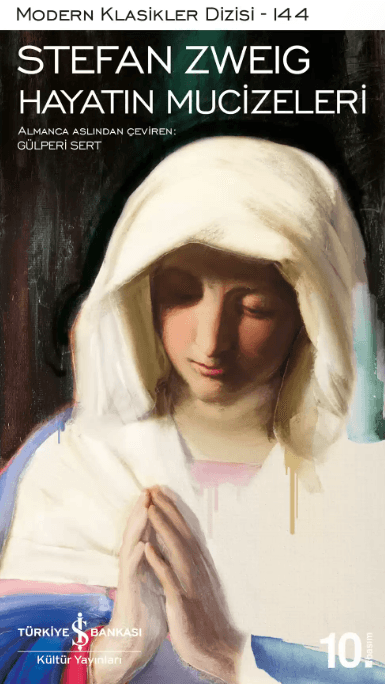
The Miracles of Life (German original title: Die Wunder des Lebens) is one of the early works by Austrian writer Stefan Zweig, first published in 1903. The story unfolds around themes of religion, art, and humanity, weaving together historical and personal elements.
The narrative is set in the city of Antwerp under Spanish rule in the 16th century. It centers on Esther, a young woman of Jewish origin, who is chosen as a model by a Christian painter, and explores the emotional and spiritual connection that develops between them during this process. Esther’s past reveals the tensions and mutual understanding between different belief systems. The painter, through his art, seeks to touch the essence of life, humanity, and faith.
Zweig, Stefan. Hayatın Mucizeleri. Çev. Gülperi Sert. İstanbul: Türkiye İş Bankası Kültür Yayınları, 2020.

Original Title of the Book | The Wonders of Life | ||||||||
|---|---|---|---|---|---|---|---|---|---|
Author(s) | Stefan Zweig | ||||||||
Translator(s) | Gülperi Sert | ||||||||
Publisher(s) | İş Bankası Kültür Yayınları | ||||||||
Year of Publication | 2020 | ||||||||
Number of Pages | 80 | ||||||||
ISBN | 9786257999502 | ||||||||
No Discussion Added Yet
Start discussion for "Miracles of Life (Book)" article
Plot
Theme
Style and Structural Features
Characters