

This article was automatically translated from the original Turkish version.
A mobile phone is a portable communication device that enables voice communication without the need for wired connections, using radio waves. Over time, it has evolved from a device used solely for voice calls into a multifunctional communication technology that incorporates text messaging, internet access, video calling, and various digital functions. The development of mobile phones has progressed in parallel with advances in mobile communication technologies and has brought about significant changes in personal, social, and organizational communication practices.

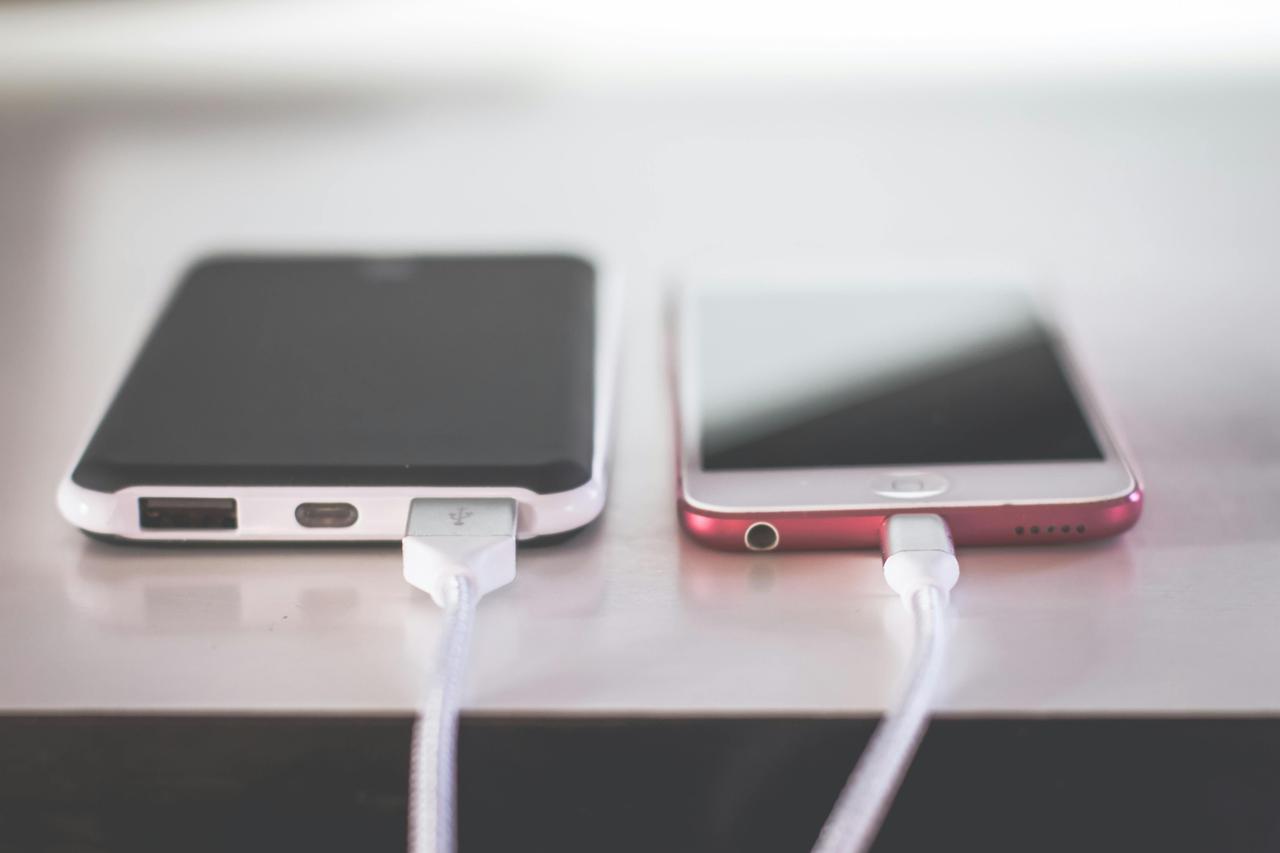
Mobile Phones (Pexels)
The emergence of mobile phones is viewed within the broader context of telephone technology development. After the telephone was first invented by Alexander Graham Bell in 1876, wired telephone systems remained the primary means of communication for many years. Gradual advances in communication technologies laid the groundwork for the development of wireless and portable communication devices.
The first concrete step toward the mobile phone was taken in 1973 when Martin Cooper, an engineer at Motorola, made the first mobile phone call. This call is recognized as the beginning of mobile communication technologies. The mobile phones developed during this period were large and heavy, but they represented a crucial milestone by demonstrating the feasibility of wireless communication.
Starting in the 1980s, mobile phones were commercially introduced to the market, with early models offering limited functionality. By the 1990s, mobile phones had become smaller, lighter, and equipped with screens, expanding their individual usage. After the 2000s, the addition of features such as cameras, internet connectivity, and video calling transformed mobile phones into multifunctional devices. The first iPhone, released in 2007, is regarded as a major milestone in the widespread adoption of touchscreen smartphones.
The first mobile phone call in history was made on April 3, 1973, by Martin Cooper, an engineer at Motorola. During this call, Cooper contacted Joel Engel, an engineer at a competing company, using a portable mobile phone developed by Motorola. This event is recorded as the first voice communication conducted via a wireless, portable telephone.
The first mobile phone, by today’s standards, was a large and heavy device. It weighed approximately one kilogram and offered a limited call duration. Nevertheless, this call marked a critical threshold in the development of mobile communication technologies and paved the way for the widespread adoption of mobile phones.
Who Invented the Telephone? (Youtube)
The proliferation of mobile phones accelerated alongside technological advancements and improvements in communication infrastructure. In their early stages, mobile phones were used only by specific organizations and limited user groups. Starting in the 1980s, they were commercially introduced to the market. Although devices produced during this period were expensive and had limited functions, they demonstrated the practicality of mobile communication in daily life.
Beginning in the 1990s, mobile phones began reaching broader audiences. During this period, devices became smaller, lighter, and more widely available with screens. The introduction of the Short Message Service (SMS) feature during the same era enhanced the role of mobile phones in communication. As people began to prefer mobile phones alongside fixed telephones at home and in workplaces, the social significance of mobile communication strengthened.
In the 2000s, the integration of new features such as cameras, internet access, and video calling expanded the applications of mobile phones. These developments enabled mobile phones to evolve from mere communication tools into versatile digital devices. This transformation played a key role in establishing mobile phones as fundamental tools in both personal and organizational communication.
The first developments in mobile phone usage in Türkiye began in the early 1990s. According to sources, Türkiye’s wireless telephone experience started in 1991 with vehicle-mounted devices representing first-generation (1G) technology. This period is regarded as the initial phase that laid the foundation for public awareness of mobile phone technology in the country.
The first mobile phone call in Türkiye was made on February 23, 1994. During this call, then Prime Minister Tansu Çiller contacted then President Süleyman Demirel using a mobile phone. This event is recognized as the official beginning of mobile phone communication in Türkiye.
After 1994, mobile phone services gradually expanded, and the number of users increased as mobile communication infrastructure improved. In subsequent years, the adoption of second-generation (2G) and subsequent technologies enhanced both the accessibility and functionality of mobile phones. This process played a decisive role in making mobile phones an integral part of daily life in Türkiye.
The functionality of mobile phones depends on components that fulfill essential requirements such as connecting to a mobile network and providing power during use. These components are described in sources as including the SIM card, which stores mobile network subscription information; the battery, which powers the device; the antenna, which facilitates communication with the network; and the keypad and screen, which enable user interaction and display.
What’s Inside a Mobile Phone? (Youtube)
The SIM card (Subscriber Identity Module) is defined as a smart card that stores information necessary for connecting to a mobile network. It contains user identity data, network authentication credentials, and security keys, enabling the device to be identified and verified on the network. It is also noted that some phones cannot make calls, connect to mobile data services, or send SMS messages without a SIM card.
Lithium-ion batteries are used in smartphones. These batteries consist of an anode and a cathode based on lithium cobalt oxide, and their operation relies on the movement of lithium ions between these electrodes during charging and use.
In mobile phones, the antenna is identified as a component that enables the device to communicate over specific network bands. Some models operate on particular frequency bands and include an antenna, which is sometimes physically integrated into the device.
In addition to core components, mobile phones contain various hardware elements that support their operation and functionality. Sources indicate that certain mobile phone models are defined by features such as the screen, keypad, processor, memory, and storage. These components are described as parts that enable user interaction and facilitate various functions. Some devices also include a camera component for capturing photos and videos. Additionally, certain models feature hardware elements such as haptic feedback to notify users.

Types of Phones (Generated by Artificial Intelligence.)
Keypad phones are mobile phone models in which users control the device through physical buttons. These phones feature physical keypads, including number keys and navigation keys, through which calls are made, messages are composed, and menus are navigated.
Touchscreen phones are devices in which user interaction is primarily conducted via a touch-sensitive screen. In these phones, physical buttons have been replaced by responsive touch displays. Touchscreen phones have gained broader usage, especially with the widespread adoption of smartphones.
Clamshell phones are mobile phone models with a two-part body structure and a hinged cover mechanism that opens and closes. In this design, the screen and keypad are typically located in separate sections, and when the phone is closed, both the screen and keypad are protected.
Slider phones are mobile phone models in which the screen and keypad are revealed by a sliding mechanism. In this design, the keypad is usually positioned beneath the screen, and when the upper part of the device is slid open, the keypad becomes exposed.

Early Mobile Phones (Pexels)
Mobile phone technologies have undergone significant changes over time in both hardware and functional capabilities. Early mobile phones were designed as large, heavy devices capable only of voice calls. During this period, battery life was limited and usage duration was short.
With the widespread adoption of screen-equipped models in the 1990s, the functions of mobile phones expanded. The ability to send text messages was introduced, and devices became smaller and more portable. In the 2000s, features such as cameras, internet connectivity, and video calling were added, broadening the applications of mobile phones.
The introduction of touchscreen smartphones in 2007 marked a new phase in mobile phone technology. With smartphones, mobile phones evolved into multifunctional platforms for communication, information access, and the use of various digital applications. These developments enhanced the social impact of mobile phones.
The proliferation of mobile phones has led to significant changes in communication patterns in daily life. As mobile phones largely replaced fixed telephones, individuals gained the ability to communicate without temporal or spatial constraints. This has increased the continuity of personal and social interactions.
Mobile phones have become an integral part of daily life not only for voice calls but also for text messaging, internet-based information access, and digital content sharing. Many activities such as news monitoring, navigation, shopping, and entertainment have begun to be conducted via mobile phones. These developments have influenced individuals’ daily habits and time-use patterns.
The portability and multifunctionality offered by mobile phones have contributed to the acceleration of daily life and the shift toward more immediate communication. As a result, mobile phones have become one of the fundamental technological tools of modern life.
Mobile phones and related information technologies have brought about significant changes in education. With educational materials being transferred to digital formats, access to information has become faster and easier through mobile phones. This has enabled learning processes to continue independently of time and location.
As noted in sources, the expansion of online education opportunities and the widespread availability of digital content have enabled mobile phones to serve as supportive tools in education. Activities such as accessing course materials, completing assignments, and obtaining educational information can now be carried out via mobile phones. This process has increased the use of digital tools in traditional educational practices.
The use of mobile phones in education is considered within the broader context of advancements in information technologies. These devices are recognized as tools that facilitate access to information and communication in educational environments.
The proliferation of mobile phones has influenced communication patterns and work processes in professional environments. Alongside advancements in information technologies, mobile phones have become key tools for enabling fast and uninterrupted communication in workplaces. This has contributed to more effective internal and inter-organizational communication.
As noted in sources, online meetings, digital presentations, and remote access capabilities have become feasible through mobile phones. Employees can now access work-related information and applications via mobile devices, enabling work environments to adopt more flexible structures.
The mobile communication capabilities provided by mobile phones are regarded as important tools for time management and information sharing in professional life. These developments have emerged as part of the broader integration of information technologies into business processes.
Anadolu Ajansı. "Cep telefonları 27 yılda hayatın merkezine yerleşti." Accessed March 4, 2026. https://www.aa.com.tr/tr/bilim-teknoloji/cep-telefonlari-27-yilda-hayatin-merkezine-yerlesti/2152793
Bilim Genç. "Akıllı telefonlardaki elementler." TÜBİTAK Bilim Genç. Accessed March 4, 2026. https://bilimgenc.tubitak.gov.tr/makale/akilli-telefonlardaki-elementler
Bilim Genç. "Telefonun İcadı." TÜBİTAK Bilim Genç. Accessed February 8, 2026. https://bilimgenc.tubitak.gov.tr/makale/telefonun-icadi
Euronews Türkçe. “50 Years Since the First Mobile Phone Call: One of Humanity’s Greatest Revolutions.” Accessed February 8, 2026. https://tr.euronews.com/2023/04/03/ilk-cep-telefonu-aramasinin-ustunden-50-yil-gecti-insanligin-en-buyuk-devrimlerimden-biri
Millî Gazete. “Geçmişten Günümüze Telefon Gelişimi.” Accessed February 8, 2026. https://www.milligazete.com.tr/haber/15424737/gecmisten-gunumuze-telefon-gelisimi
Mobil Telekomünikasyon İşletmecileri Derneği (m-tod). “Tarihte Bugün: Türkiye’de İlk Cep Telefonu Görüşmesi 28 Yıl Önce Yapıldı.” Accessed February 8, 2026. https://www.m-tod.org/tarihte-bugun-turkiyede-ilk-cep-telefonu-gorusmesi-28-yil-once-yapildi/
Murat Sıtkı Ortaokulu. "Bilişim Teknolojilerindeki Değişimin Etkileri." Accessed February 8, 2026. https://muratsitkiortaokulu.meb.k12.tr/meb_iys_dosyalar/71/08/735719/dosyalar/2022_04/17023538_7.1.01-BILISIM-TEKNOLOJILERINDEKI-DEGISIMIN-ETKILERI.pdf
Türkoğlu, Önder. “CEP TELEFONLARI VE CEP TELEFONU ANTENLERİ.” Master's thesis, İstanbul Teknik Üniversitesi, Fen Bilimleri Enstitüsü. Accessed March 4, 2026. https://polen.itu.edu.tr/server/api/core/bitstreams/ddcb7250-9dd3-46e0-8adf-d9358cf16efa/content
Yeniçağ. "Dünyanın ilk cep telefonları ve onların oldukça şaşırtıcı gelecek özellikleri listesi." Accessed March 4, 2026. https://www.yenicaggazetesi.com/dunyanin-ilk-cep-telefonlari-ve-onlarin-oldukca-sasirtici-gelecek-ozellikleri-listesi-513887h.htm
YouTube. "Cep telefonun içinde ne var." Accessed March 4, 2026. https://www.youtube.com/watch?v=GaJe3RljVYs
YouTube. "Telefonu kim icat etti." TRT belgesel. Accessed February 8, 2026. https://www.youtube.com/watch?v=yvCG161Qlms
“Kultur ve Yaşam.” “9 maddede telefonun kısa tarihine nostaljik bir yolculuk.” Accessed March 4, 2026. https://kulturveyasam.com/9-maddede-telefonun-kisa-tarihine-nostaljik-bir-yolculuk/


Historical Development
The First Mobile Phone Call
The Proliferation of Mobile Phones
The Beginning of Mobile Phone Use in Türkiye
Key Components of a Mobile Phone
SIM Card
Battery
Antenna
Other Hardware Components
Types of Mobile Phones
Keypad Phones
Touchscreen Phones
Clamshell Phones
Slider Phones
Advancements in Mobile Phone Technology
Impact of Mobile Phones on Daily Life
Impact on Education
Impact on Work and Professional Life