


This article was automatically translated from the original Turkish version.
+2 More
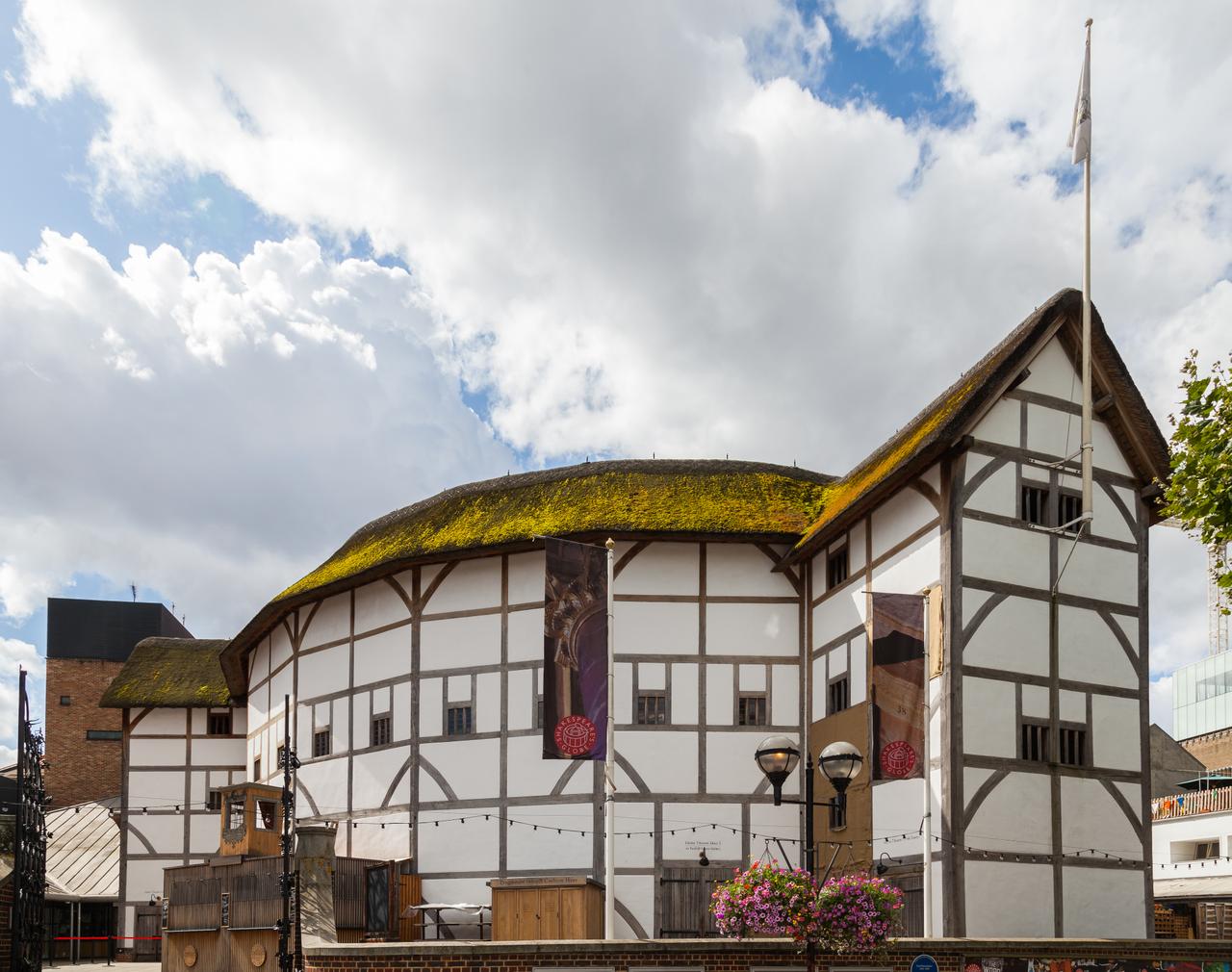
Modern Shakespeare’s Globe Theatre is a reconstructed structure opened in 1997 in London, the capital of England, near the site of the original Globe Theatre. Built based on 16th and 17th century theatre architecture, this building serves as a culture centre that enables the performance of William Shakespeare’s works in historically accurate conditions. The project was initiated by American director Sam Wanamaker and, after his death, completed as a functioning theatre that continues to operate today.

【1】
Sam Wanamaker developed the idea of reconstructing this cultural landmark after failing to locate any traces of the original Globe Theatre during a visit to London in the 1940s. In 1970 he founded the “Shakespeare Globe Trust” to raise funds and begin historical and architectural planning efforts. After years of delays and fundraising, construction began in 1987. Although Wanamaker passed away in 1993, the project continued according to his vision and was completed in 1997. To honour his memory, the structure is accompanied by the “Sam Wanamaker Playhouse”, a cultural space dedicated to Shakespeare’s works, forming a comprehensive together to Shakespeare’s legacy.
Modern Shakespeare’s Globe has been designed to closely replicate the original 1599 structure. Traditional construction techniques and materials such as oak timber and saz roofing were used; the building became the first thatched-roof building permitted in England in over 300 years.
The theatre retains its open-air courtyard design and has a capacity of approximately 1,500 spectators. The audience arrangement reflects a hierarchical structure representing different social classes, with standing areas for groundlings and seated galleries. The Stage stage is surrounded by spectators on three sides, providing a performance space consistent with Shakespearean theatrical conventions.
In addition, modern safety systems and contemporary technical equipment have been integrated to meet current regulations. Both historical elements and modern requirements have been carefully considered.

【2】
The modern Globe is not only a theatre stage but also an educational and research centre. Under the programme “Globe Education”, seminars, workshops and guided tours are offered for students, teachers and academics. This centre, which has published numerous resources on the historical, literary and performance contexts of Shakespeare’s plays, has become a frequently referenced resource in Shakespearean education.
Modern Shakespeare’s Globe adheres to the principle of presenting Shakespeare’s plays in accordance with the performance traditions of his time. Natural lighting, costume designs, music and audience interaction are employed as key elements in this approach. However, the repertoire is not limited to Shakespeare’s original texts; contemporary interpretations, new plays and works from other cultures are also included in the programme.
The venue maintains an active theatrical schedule each season with numerous productions and tours. It reaches a wide audience through participation in international festivals, world broadcasts and academic collaborations.
Modern Shakespeare’s Globe Theatre is a vital centre for preserving English cultural heritage and making the universal legacy of theatre accessible. It is regarded as both a living example of historical reconstruction and an active site of contemporary artistic production. This theatre treats Shakespeare’s works not merely as literary texts but as living performances, serving as a bridge between the past and the present.
Plays staged at the modern Globe are not limited to Shakespeare’s classical works. Each year during the write season, Shakespearean plays such as Hamlet, A Midsummer Night’s Dream, Romeo and Juliet and King Lear are performed using historically informed staging techniques. At the same time, works by contemporary playwrights, adaptations and texts from other cultures are also included in the programme. In the 2020s, classic plays such as Othello have been reinterpreted through the lens of current social themes such as race, gender and migration. Productions in multiple languages are also hosted, creating an international theatre environment. This diversity demonstrates that the Globe is not merely a historical stage but also an active space for contemporary theatre.
【3】
[1]
Zillowirral. 2024. “To Be or Not to Be.” https://www.zillowirral.co.uk/latest/to-be-or-not-to-be. Access date 19 April 2025.
[2]
Zillowirral. 2024. “To Be or Not to Be.” https://www.zillowirral.co.uk/latest/to-be-or-not-to-be. Access date 19 April 2025.
[3]
Shakespeare's Globe. 2024. “Our Globe Theatre is ALIVE.” YouTube video, 2:15.

No Discussion Added Yet
Start discussion for "Modern Shakespeare's Globe Theatre" article
Founding Process and the Role of Sam Wanamaker
Architectural Features
Educational and Cultural Functions
Performance Policy and Productions
Contemporary Significance
Plays Currently Performed