


This article was automatically translated from the original Turkish version.
+1 More
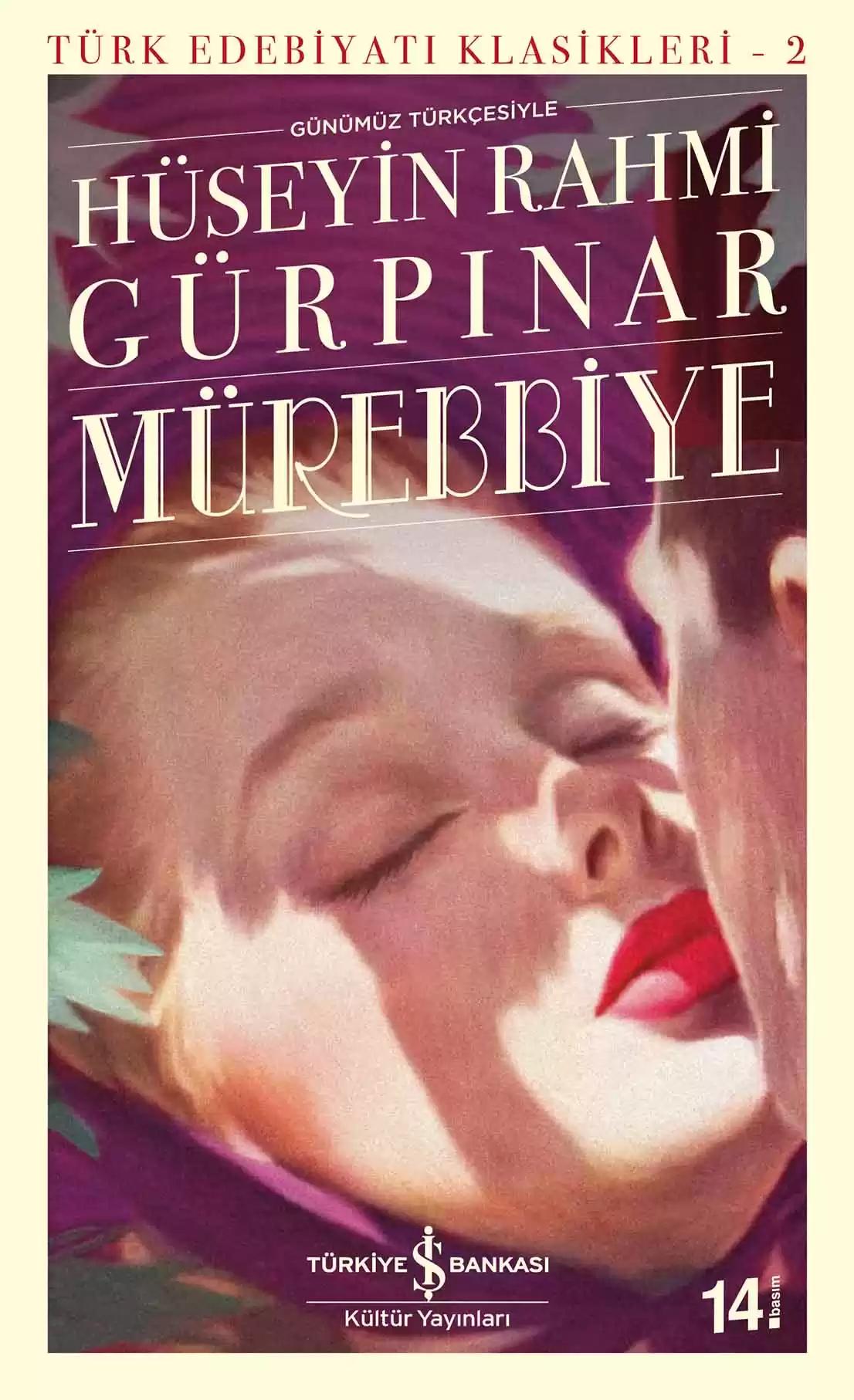
Mürebbiye (Novel)
Author(s) | Hüseyin Rahmi Gürpınar | ||||||||
|---|---|---|---|---|---|---|---|---|---|
Year of Publication | 1899 | ||||||||
Type(s) | Novel | ||||||||
Theme(s) | Westernization social change family structure | ||||||||
Subject(s) | Westernization and the dissolution of family structure in the Ottoman Empire | ||||||||
Number of Pages | 176 | ||||||||
Hüseyin Rahmi Gürpınar’s novel *Mürebbiye*, published in 1899, offers a critical portrayal of Ottoman society after the Tanzimat reforms. The work provides insight into family life, Westernization trends, and shifting social values of the era. Through the position and influence of the French governess Anjel within an Ottoman household, the novel examines the disintegration of traditional social structures.
The central focus of the novel is the growing practice in Ottoman society of employing foreign governesses. Anjel, a French governess, begins working for an Ottoman family and quickly exerts significant influence over its members. By forming various relationships with the male members of the household, she disrupts the family’s established order. Throughout the novel, the characters’ responses to this situation reveal how Ottoman social structures began to transform under Western influence. The work places particular emphasis on the moral fractures created by Westernization. Anjel’s manipulation of the family in pursuit of her own interests serves as a concrete example of this transformation.
Mürebbiye centers on the cultural and social transformation experienced by Ottoman society. One of its primary themes is Westernization. The character of Anjel embodies the influence of Western culture within Ottoman society. Throughout the novel, Westernization is adopted not as a means of modernization but as a symbol of status. This dynamic generates a cultural disintegration within the society. Another key theme is the breakdown of family structure. Relationships among family members become increasingly based on self-interest, leading to the weakening of familial cohesion. Female identity is also a central theme. Through the character of Anjel, the novel explores the social position of women in Ottoman society, female rivalry, and gender-based prejudices. Hüseyin Rahmi Gürpınar uses the novel to draw attention to the moral and social problems emerging alongside modernization in late Ottoman society.
The novel is written in third-person narration. In keeping with Hüseyin Rahmi Gürpınar’s characteristic style, events are conveyed through detailed descriptions. The author occasionally employs a colloquial tone reminiscent of everyday speech, embedded within the Ottoman Turkish of the period. This linguistic choice reflects aspects of the social fabric of the time. While the narrative structure is simple, social criticism is conveyed indirectly through events and character behavior.
Mürebbiye is a text essential for readers interested in understanding Ottoman social structure and the process of Westernization after the Tanzimat reforms. It serves as a key source for scholars working on social criticism in Turkish literature. It is also recommended for readers of classical literature and researchers interested in social change during the modernization process.
Gürpınar, Hüseyin Rahmi. Mürebbiye. Haz. Engin Kılıç. İstanbul: Türkiye İş Bankası Kültür Yayınları, 2018.

Mürebbiye (Novel)
Author(s) | Hüseyin Rahmi Gürpınar | ||||||||
|---|---|---|---|---|---|---|---|---|---|
Year of Publication | 1899 | ||||||||
Type(s) | Novel | ||||||||
Theme(s) | Westernization social change family structure | ||||||||
Subject(s) | Westernization and the dissolution of family structure in the Ottoman Empire | ||||||||
Number of Pages | 176 | ||||||||
Subject
Theme
Style
Target Audience