


This article was automatically translated from the original Turkish version.
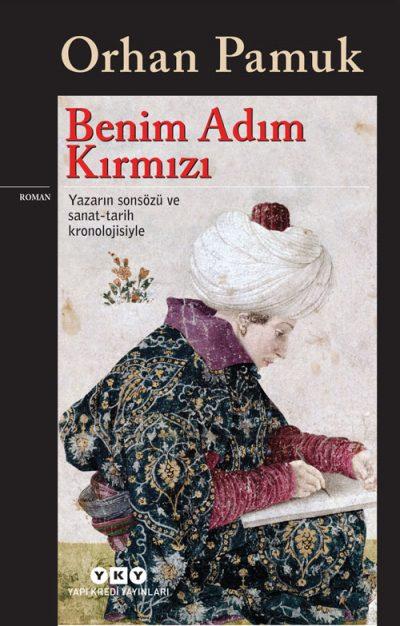
Orhan Pamuk’s novel My Name Is Red is a narrative that weaves together the miniature painting art of the 16th-century Ottoman Empire, themes of love and murder, and the cultural conflict between West and East. Work immerses the reader in the world of miniature painters commissioned by Sultan to produce a book, centering the story on a murder within this community and its investigation. While questioning the tension between the East’s traditional miniature art and the West’s perspective perspective, the novel also raises profound philosophical questions about humanity, identity, and art on.
One of the most striking features of the novel is its use of multiple perspectives. Each chapter is narrated by a different character, and the narrators include not only the living but also the dead, animals, and even inanimate objects. This technique imparts both layered complexity and narrative richness to the novel. Moreover, the poetic quality of Cotton’s language, its vivid descriptions, and its cultural allusions enhance the literary depth of the work.
Pamuk’s novel is a masterful synthesis of elements drawn from both Eastern and Western literary traditions. With exquisite attention to cultural, artistic, and historical detail, this work invites readers on a journey through history and a thought adventure alike.

No Discussion Added Yet
Start discussion for "My Name is Red (Book)" article
Themes
Narrative and Style