


This article was automatically translated from the original Turkish version.
+2 More
Neptunium
Periodic Table Position | 7 | ||||||||
|---|---|---|---|---|---|---|---|---|---|
Chemical Symbol | Np | ||||||||
Atomic Number | 93 | ||||||||
Group | Actinides | ||||||||
Atomic Weight | (237) g/mol (approximate value for the most stable isotope, ²³⁷Np) | ||||||||
Electron Configuration | [Rn] 5f⁴ 6d¹ 7s² | ||||||||
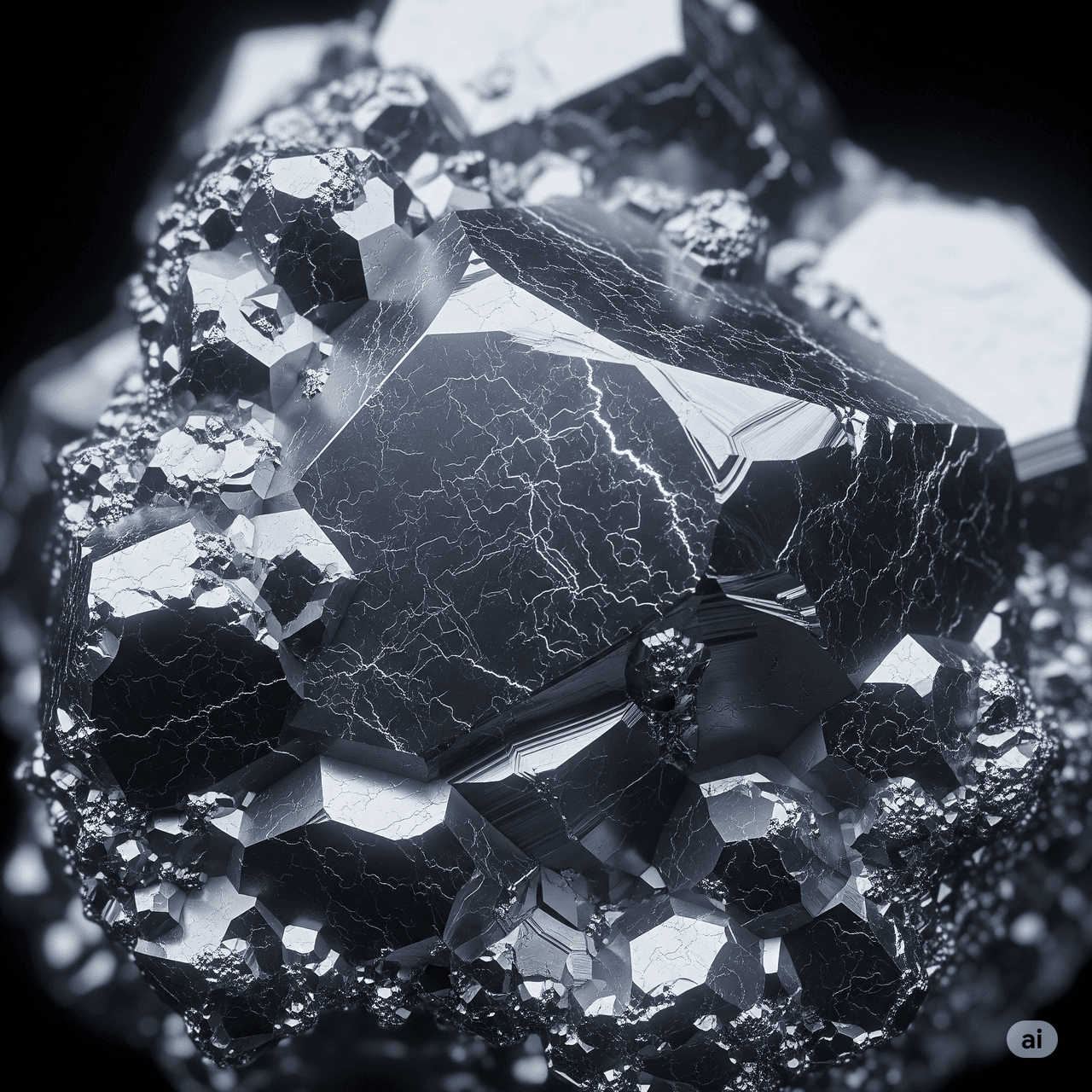
Appearance | Silvery metal | ||||||||
Density | ~20.2 g/cm³ | ||||||||
Melting Point | 644 °C | ||||||||
Boiling Point | 3902 °C | ||||||||
Atomic Radius | ~239 pm | ||||||||
Electronegativity | 1.3 | ||||||||
Most Stable Isotope | ²³⁷Np (Half-life: ~2.14 million years) | ||||||||
Year of Discovery | 1940 | ||||||||
Discoverer(s) | Philip Abelson Edwin McMillan | ||||||||
Etymology(s) | Neptune | ||||||||
Neptunium is a radioactive metal belonging to the actinide series. Discovered in 1940, this element is named after the planet Neptune and is primarily obtained as a byproduct in nuclear reactors.
Neptunium (Np) is an element located in the seventh period of the periodic table within the actinide series. Its atomic number is 93. Its electron configuration is [Rn] 5f⁴6d¹7s². This configuration indicates that neptunium is an f-block element and that its chemical properties may be complex. It exhibits metallic characteristics and exists as a solid at room temperature. Its density is approximately 20.2 g/cm³.
Neptunium was discovered in 1940 by Edwin McMillan and Philip Abelson at the University of California, Berkeley, in the United States. They identified neptunium-239 as the product of beta decay of uranium-239, which was formed by neutron bombardment of uranium-238. This marked the first successful synthesis and identification of a transuranic element.

Neptunium (Generated by Artificial Intelligence)
The element is named after Neptune, one of the planets in the Solar System. This naming follows the precedent set by uranium, which is named after the planet Uranus, and plutonium, which is named after the dwarf planet Pluto, as neptunium is the next element in the periodic table after uranium.
Neptunium occurs naturally in the Earth's crust only in trace amounts. This natural neptunium forms through neutron capture by uranium atoms in uranium ores, followed by subsequent decay processes. However, commercial quantities of neptunium are primarily produced as a byproduct in nuclear reactors. It is generated through neutron interaction with uranium used as nuclear fuel and can be separated from spent nuclear fuel rods.
Neptunium is a dense, silvery metal. Its melting point is 644 °C and its boiling point is 3902 °C. Its atomic radius is approximately 239 pm. Its electronegativity is reported as 1.3. Neptunium can exist in at least three different allotropes (alpha, beta, gamma), which interconvert depending on temperature. Chemically, it is reactive and can form a variety of compounds. The most stable oxidation state is +5, but it can also exhibit oxidation states of +3, +4, +6, and +7.
Neptunium has many known radioactive isotopes. The longest-lived and most significant isotope is neptunium-237 (²³⁷Np).
The commercial applications of neptunium are limited. Today, it is primarily used for scientific research.
Neptunium has no known biological role. All of its isotopes are radioactive and therefore hazardous to living organisms, with toxic effects. Once inside the body, it tends to accumulate in bones and can increase the risk of cancer due to its emitted radiation. Consequently, when handling neptunium, strict radiation safety protocols, specialized protective equipment, and ventilated work areas (such as glove boxes) are required, as with other radioactive materials, to prevent contamination and minimize exposure.
National Center for Biotechnology Information. "Uranium." *PubChem Compound Database*. Accessed May 31, 2025. https://pubchem.ncbi.nlm.nih.gov/compound/23933.
TÜBİTAK Bilim Genç. "Neptünyum." *Bilim Genç*. Date Published: January 14, 2021. Accessed May 31, 2025. https://bilimgenc.tubitak.gov.tr/periyodik-tablo/neptunyum.

Neptunium
Periodic Table Position | 7 | ||||||||
|---|---|---|---|---|---|---|---|---|---|
Chemical Symbol | Np | ||||||||
Atomic Number | 93 | ||||||||
Group | Actinides | ||||||||
Atomic Weight | (237) g/mol (approximate value for the most stable isotope, ²³⁷Np) | ||||||||
Electron Configuration | [Rn] 5f⁴ 6d¹ 7s² | ||||||||
Appearance | Silvery metal | ||||||||
Density | ~20.2 g/cm³ | ||||||||
Melting Point | 644 °C | ||||||||
Boiling Point | 3902 °C | ||||||||
Atomic Radius | ~239 pm | ||||||||
Electronegativity | 1.3 | ||||||||
Most Stable Isotope | ²³⁷Np (Half-life: ~2.14 million years) | ||||||||
Year of Discovery | 1940 | ||||||||
Discoverer(s) | Philip Abelson Edwin McMillan | ||||||||
Etymology(s) | Neptune | ||||||||
Classification and Basic Properties
Discovery
Origin of the Element's Name
Natural Occurrence
Physical and Chemical Properties
Isotopes
Applications
Biological Significance/Effects and Precautions