


This article was automatically translated from the original Turkish version.
+2 More
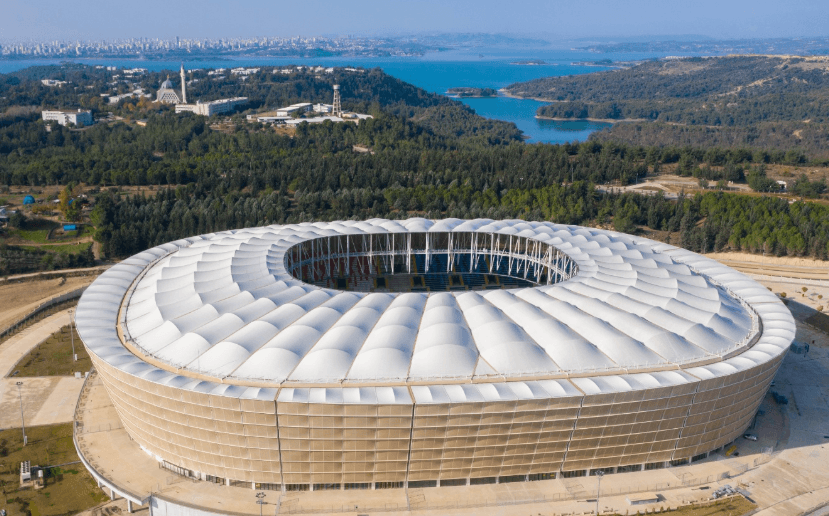
New Adana Stadium
City(s) | Adana | ||||||||
|---|---|---|---|---|---|---|---|---|---|
Closed-Circuit Television System | Yes | ||||||||
Disabled Stand | Yes | ||||||||
Seating | All Seated | ||||||||
Lighting | Yes | ||||||||
Surface Type | Grass | ||||||||
Pitch Size | 68X105 | ||||||||
Seating Capacity | 30960 | ||||||||
Playing Clubs | Adana Demirspor A.S., Adanaspor A.S. | ||||||||
The New Adana Stadium is one of the modern football stadiums built in Adana. This facility, which hosts the home matches of Adanaspor and Adana Demirspor, has been designed to meet FIFA and UEFA standards. Stadium has a capacity of approximately 31,000 spectators and is equipped with modern technical facilities including underfloor heating and cooling systems like.
Construction of the New Adana Stadium began in 2014 but was delayed multiple times due to various reasons. Originally planned for completion in 2015, the stadium was only finished by the end of 2020 due to setbacks during construction. Although 90 percent of the construction was completed by 2018, the opening was postponed for several more years due to phases such as roof assembly.
The New Adana Stadium occupies a total area of 138,000 square meters. The stadium building covers an area of 43,000 square meters and consists of six levels. Designed to harmonize with its surroundings, the roof is constructed using lightweight steel cables and white membrane cladding, creating a natural ventilation system that facilitates airflow.
The stands consist of two tiers with VIP seats and private boxes located in the center. The color layout of the stadium is arranged in a mosaic pattern reflecting the colors of Adanaspor (orange and white) and Adana Demirspor (blue and navy).
The stadium features a parking lot with a capacity of 1,444 vehicles. In addition, it offers various amenities including 49 private boxes, first aid rooms, prayer rooms, relaxation pools, restaurants, and cafeterias. For spectator entry and exit, there are 10 elevators, 2 moving walkways, and 104 turnstile.
The stadium’s inauguration took place on 2 March 2021. President Recep Tayyip Erdoğan attended the ceremony via live connection and stated that the facility would make a significant contribution to Adana’s sports life. It was announced that the area where the old Adana 5 January Stadium stood would be developed as Millet Bahçesi.
Adana Gençlik ve Spor İl Müdürlüğü. Accessed March 13, 2025. https://adana.gsb.gov.tr/HaberDetaylari/3/225226/yeni-adana-stadyumu-acildi.aspx.
Sarıçam Kaymakamlığı. "İlçemizde Yer Alan Yeni Adana Stadyumu Açıldı." Accessed March 13, 2025. http://www.saricam.gov.tr/ilcemizde-yer-alan-yeni-adana-stadyumu-acildi.
StadiumDB. "Yeni Adana Stadyumu." Accessed March 13, 2025. https://www.stadiumdb.com/stadiums/tur/yeni_adana_stadyumu.

New Adana Stadium
City(s) | Adana | ||||||||
|---|---|---|---|---|---|---|---|---|---|
Closed-Circuit Television System | Yes | ||||||||
Disabled Stand | Yes | ||||||||
Seating | All Seated | ||||||||
Lighting | Yes | ||||||||
Surface Type | Grass | ||||||||
Pitch Size | 68X105 | ||||||||
Seating Capacity | 30960 | ||||||||
Playing Clubs | Adana Demirspor A.S., Adanaspor A.S. | ||||||||
History and Construction Process
Architectural and Technical Features
Facilities and Usage Areas
Inauguration and Usage