


This article was automatically translated from the original Turkish version.
+1 More
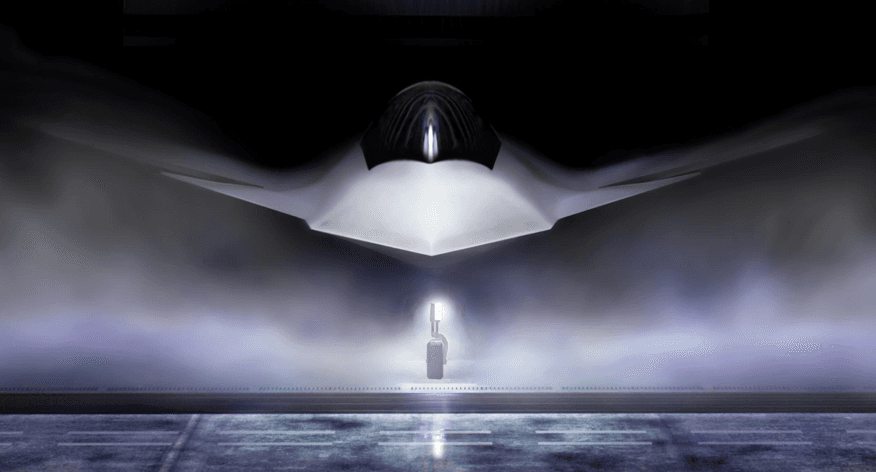
NGAD (Next Generation Air Dominance) is the name of the sixth-generation aircraft project being developed by the USA Air Force to ensure future air superiority. This project is defined as a “system family” comprising a next-generation fighter aircraft to replace the current F-22 Raptor and a range of accompanying autonomous unmanned aerial vehicles (collaborative combat aircraft, CCA).

The NGAD concept is not merely a new fighter aircraft; beyond that, it is a networked system equipped with advanced sensors, weapon systems, and other cutting-edge technologies capable of integrating with satellites and other airborne platforms. One of NGAD’s core components, the F-47, will feature stealth capabilities so advanced as to be considered nearly invisible and is designed to significantly surpass previous-generation aircraft in terms of speed and maneuver capabilities and weapons payload. This fighter is planned to operate in conjunction with autonomous drones known as CCA, which are expected to perform reconnaissance, strike, electronic warfare and decoy missions. These unmanned aerial vehicles are intended to be low-cost and managed by artificial intelligence-enabled software. The engines of NGAD aircraft will be equipped with adaptive propulsion systems called “NGAP (Next Generation Adaptive Propulsion)” that can switch between optimal thrust and efficiency modes depending on operational conditions.
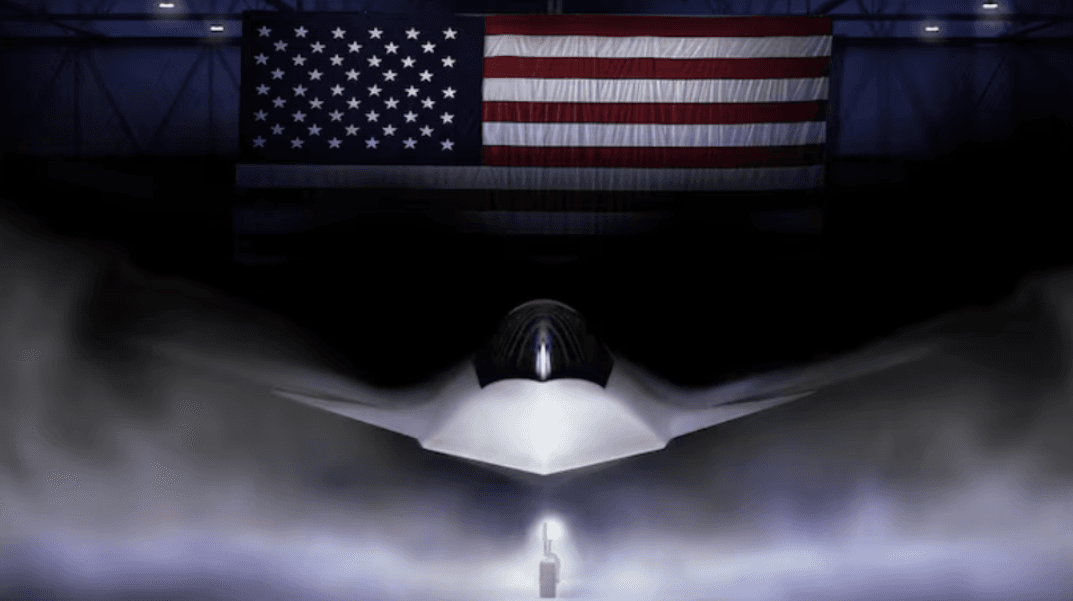
NGAD Concept F-47 Fighter Aircraft Design (Credit: March Air Reserve Base)
Prior to NGAD, the USA Air Force developed various projects to secure future air dominance.
Objective: Launched in the early 1980s, the ATF program was developed to establish air superiority against Soviet aircraft in the context of the Cold War era.
Outcome: The F-22 Raptor, developed by Lockheed Martin under this program, entered service in 2005. The F-22 is renowned for its high maneuverability, advanced radar systems, and low observability features.
Objective: Initiated in the 1990s, this program aimed to develop a common platform for the USA Air Force, Sea Forces and Marine Corps.
Outcome: The program resulted in the design and production of the F-35 Lightning II as a multirole fighter. The F-35 has been integrated into the inventories of numerous countries worldwide in its various variants.
Objective: Emerging in the 2010s, this concept was designed to achieve air superiority in the Pacific region, particularly against long-range threats. PCA is regarded as one of the foundational pillars of NGAD, distinguished by enhanced stealth, extended range, and advanced sensor systems.
Objective: Launched to develop long-range strategic bombardment aircraft, this program aimed to strengthen the United States’ long-range strike capabilities.
These projects played a important role in the development of the Next Generation Air Dominance (NGAD) program and contributed to building the necessary technological infrastructure for air dominance. NGAD aims to elevate the technologies and lessons learned from previous programs to a higher level, creating a comprehensive air defense system.
In other regions of the world, several similar projects and concepts are underway to achieve air superiority and enhance air defense systems, mirroring the United States’ Next Generation Air Dominance (NGAD) program.
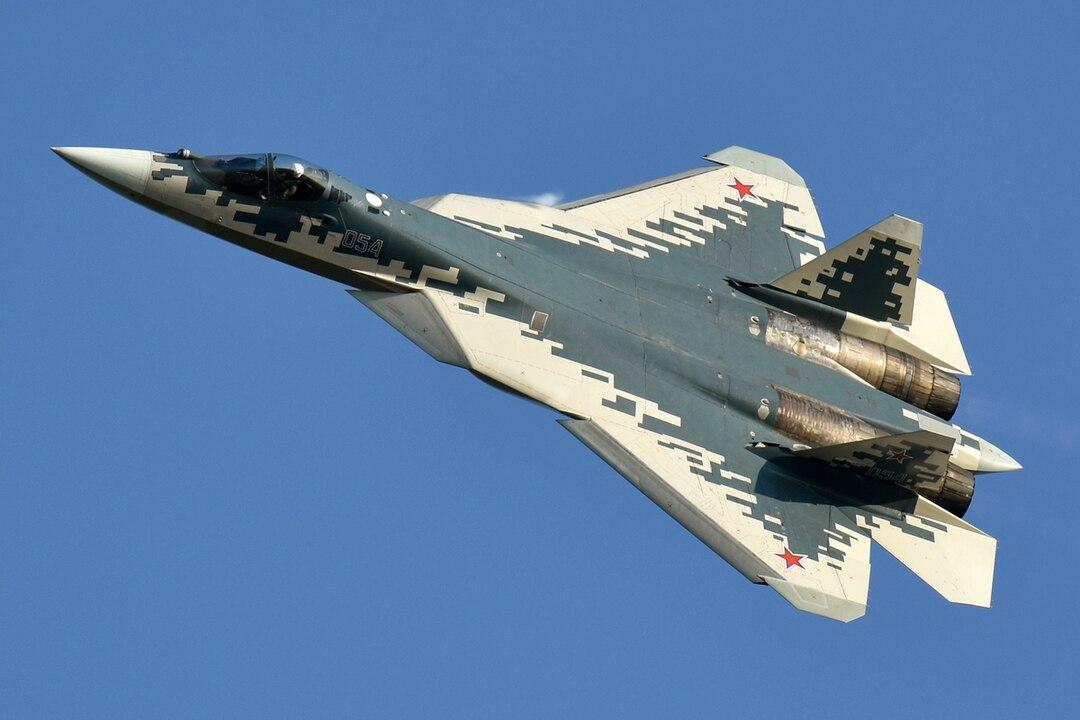
Russia is developing the multirole Su-57 fighter aircraft and simultaneously designing the PAK DA, a long-range strategic bomber. These projects encompass Russia’s efforts to develop next-generation fighter aircraft for air dominance.
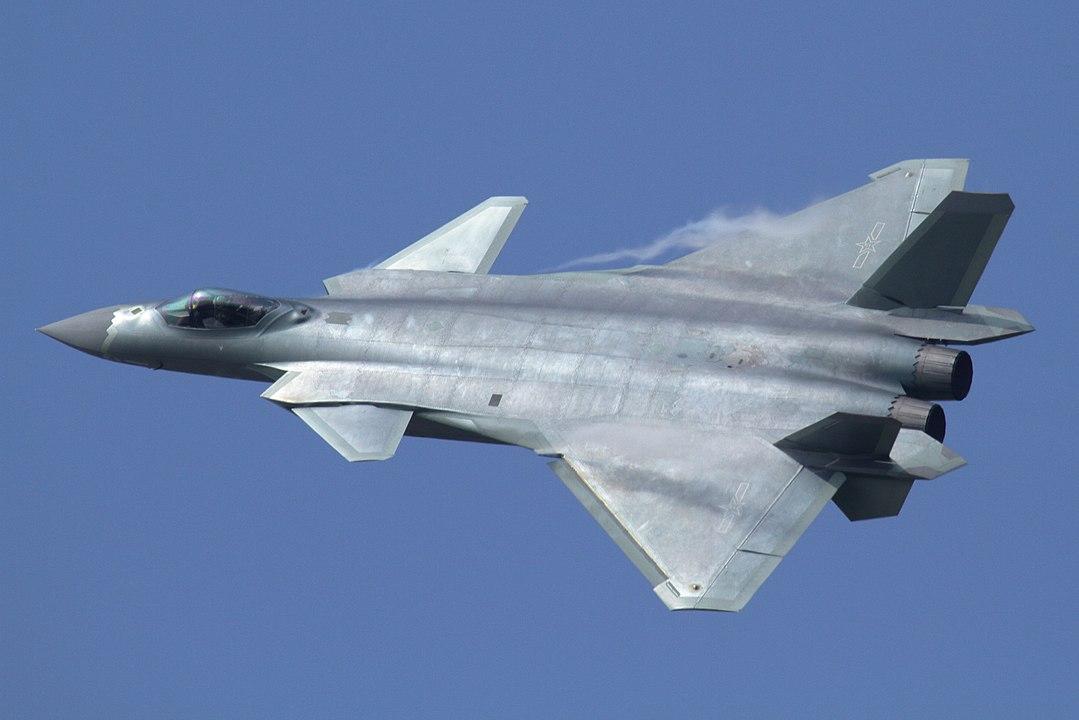
China has developed the J-20 as a stealth air superiority fighter. Additionally, China possesses the J-31, an aircraft offering enhanced stealth and high maneuverability. These projects aim to modernize China’s air forces and strengthen regional air dominance.
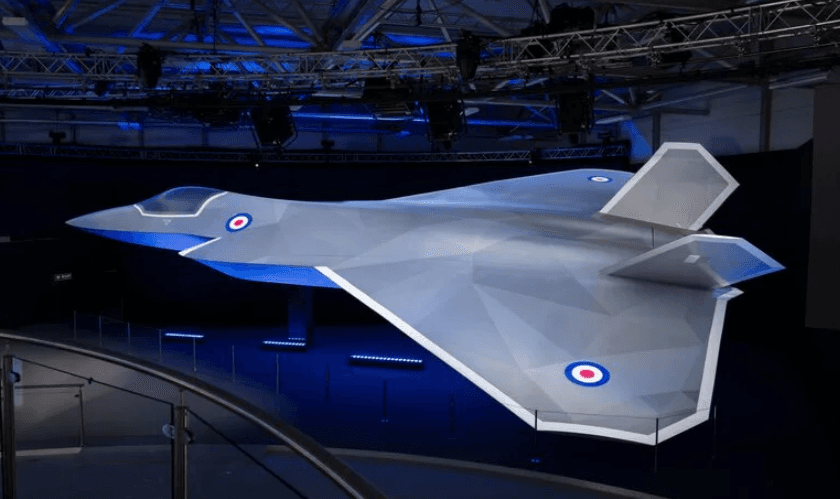
The United Kingdom has launched the Tempest program to develop a new fighter aircraft for the 2030s. Tempest is designed as an artificial intelligence-enabled platform with advanced air defense systems and stands out as a key initiative to meet the UK’s air superiority objectives.
France, Germany and Spain are jointly executing the Future Combat Air System (FCAS) program, planned for development by the 2040s. This program aims to develop a system encompassing both fighter aircraft and autonomous aerial vehicles, with the goal of strengthening Europe’s air defense capabilities.
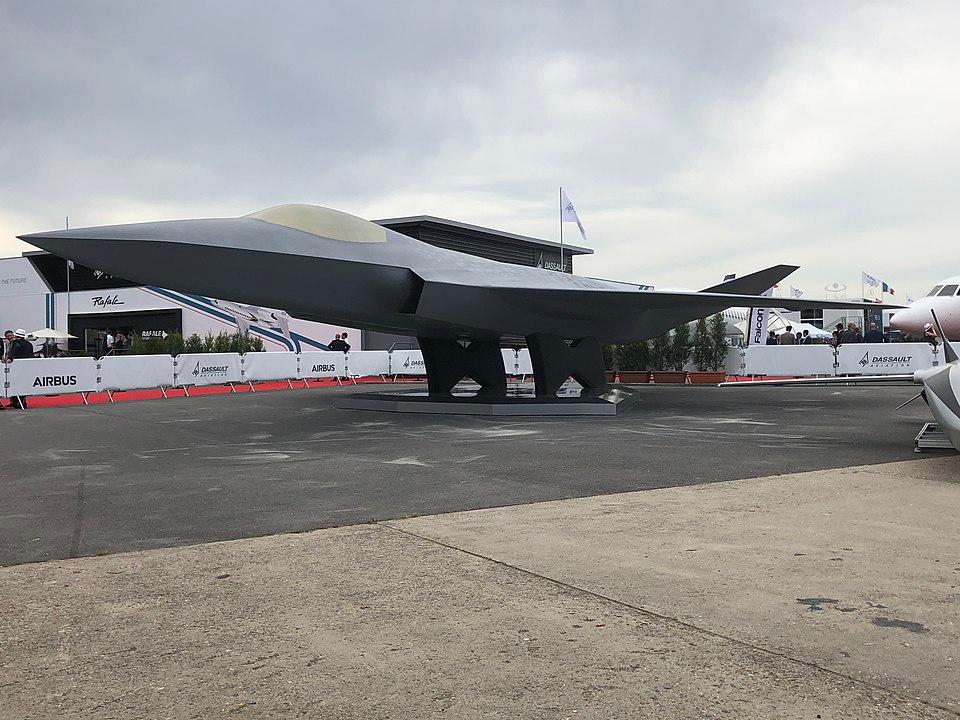
Future Combat Air System (Credit: Latest News)
India is in the process of developing its own domestic fighter aircraft. AMCA is a platform designed for the Indian Air Force with fifth-generation fighter characteristics. AMCA is a major project aimed at enhancing India’s air defense capabilities.
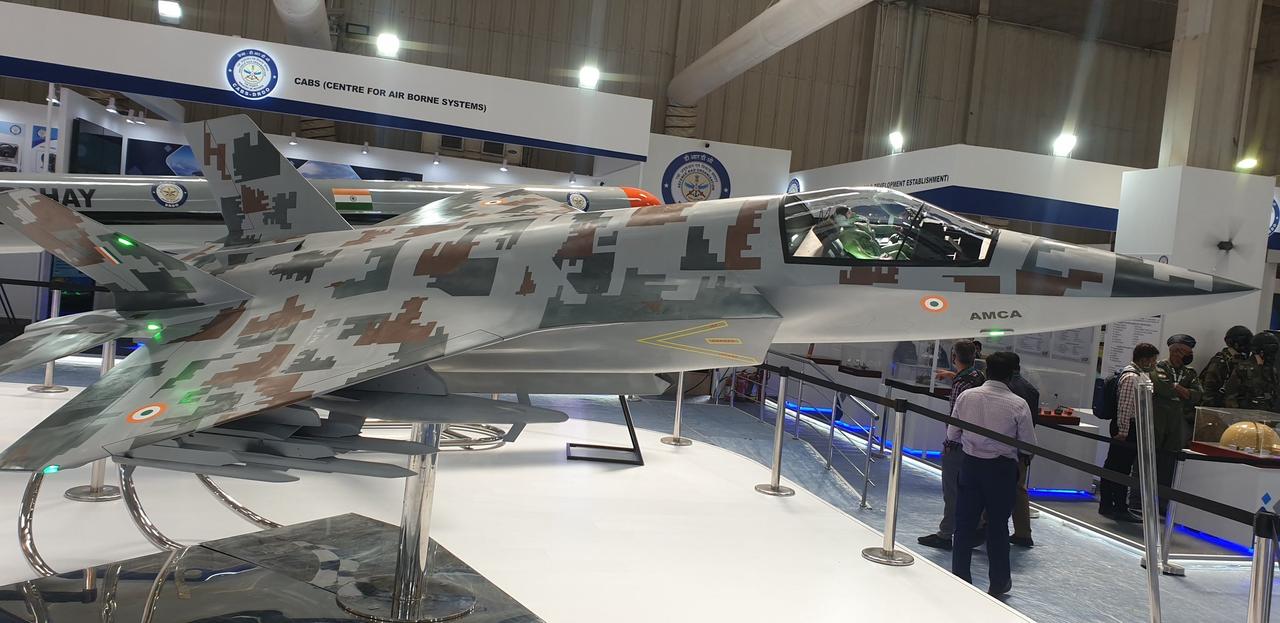
Advanced Medium Combat Aircraft (Credit: NBT Times)
Japan has launched the F-X program to develop a next-generation fighter aircraft for the 2030s. This project is designed to strengthen Japan’s air defense and aims to incorporate fifth-generation capabilities.
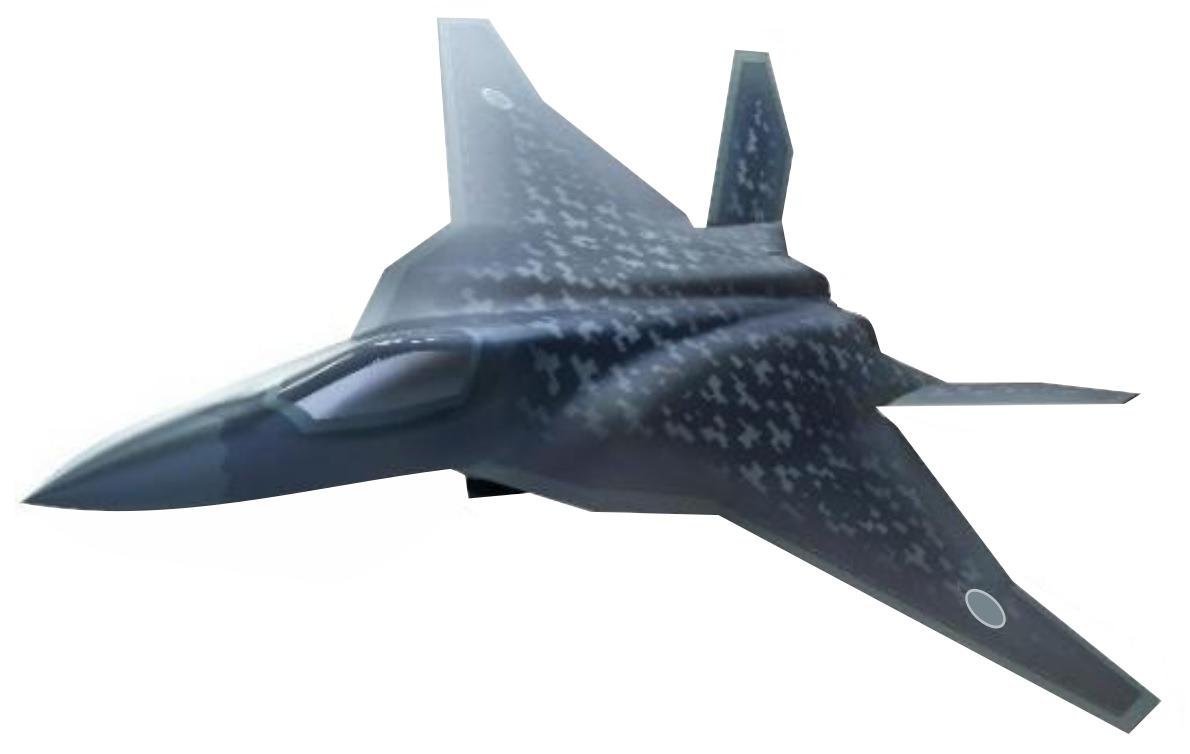
F-X Program Fighter Aircraft (Credit: The Defense Post)
These initiatives represent similar global concepts aimed at achieving air superiority and enhancing air defense systems. Each has been shaped according to the specific defense strategies and air force requirements of its respective nation.
Defense-Update. "China’s J-20 Fighter Jet: Stealth, Speed, and Power." Defense-Update, October 18, 2016. Accessed Adresi.
Ensonhaber. "Almanya, Yeni Nesil Savaş Uçağı İçin 40 Milyar Euro Ayırdı." Ensonhaber, January 21, 2023.
Ensonhaber. "Almanya, Yeni Nesil Savaş Uçağı İçin 40 Milyar Euro Ayırdı." Ensonhaber, January 21, 2023.
Navbharat Times. "Indigenous Fifth Generation Fighter Jet: Cabinet Committee on Security Approves Making of 5th Generation Fighter Jet Project." February 2025. Accessed Adresi.
Sanayi Gazetesi. "3 Ülke, 6. Nesil Savaş Uçağı Yapacaktı; İngiltere'de Savaş Uçağı Üretimine Başlandı, İşte O Uçak." Sanayi Gazetesi, 2025.
Topwar. "Palubnyy Istrebitel' VMF." Topwar, 2020.
U.S. Air Force. "F-47 Concept Image." March Air Reserve Base. Accessed March 22, 2025. Accessed Adresi.
Zaffar, Hanan. "Japan to Jointly Develop Jet Engine of Its F-X Fighter With UK." The Defense Post, December 22, 2021. Accessed Adresi.

No Discussion Added Yet
Start discussion for "NGAD (Next Generation Air Dominance)" article
NGAD Concept
Pre-NGAD Concept Studies
ATF (Advanced Tactical Fighter) Program
JSF (Joint Strike Fighter) Program
PCA (Penetrating Counter-Air) Concept
LRS-B (Long Range Strike Bomber) Program
Similar Initiatives in Other Countries
Russia – Su-57 and PAK DA (Perspective Aviation Complex for Long-Range Aviation)
China – J-20 and J-31
United Kingdom – Tempest Program
France – Future Combat Air System (FCAS) Program
India – AMCA (Advanced Medium Combat Aircraft)
Japan – F-X Program