


This article was automatically translated from the original Turkish version.
+2 More
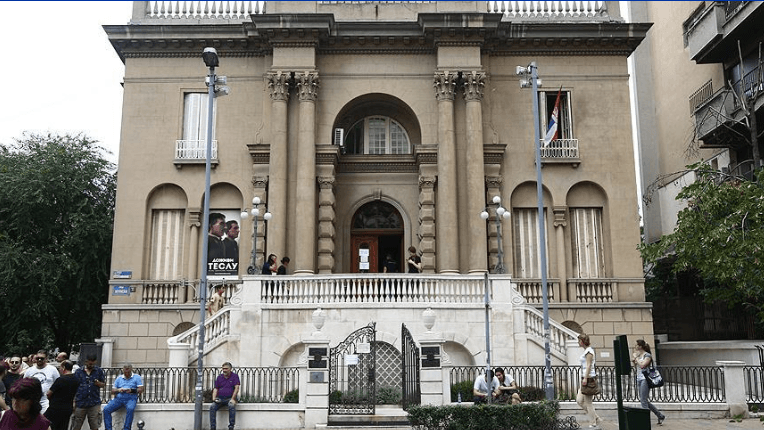
Nikola Tesla Museum is a science and cultural institution established in Belgrade, the capital of Serbia, to honor the life, work, and legacy of Nikola Tesla, one of the most important scientists of the 20th century. Opened to the public in 1952, it is the only official museum dedicated to preserving and exhibiting Tesla’s scientific heritage.
The establishment of the museum was decided by the Yugoslav government following a proposal from the Serbian Academy of Sciences and Arts. After Tesla’s death, his personal belongings, documents, and ashes were transferred from the United States to Serbia, significantly enriching the collection. The institution operates in a mansion built in 1927 by Serbian architect Dragiša Brašovan, one of the early examples of modernist architecture in Serbia.
Sava Kosanović, Tesla’s nephew and heir, played a crucial role in the formation of the museum. Through his efforts, Tesla’s personal archives were transported to Belgrade and formed the foundation of the museum’s collection. These documents include correspondence, technical drawings, device prototypes, and various scientific materials.
In 1955, the museum gained international recognition. In 2003, Tesla’s archival documents were officially placed under protection by UNESCO’s Memory of the World program.
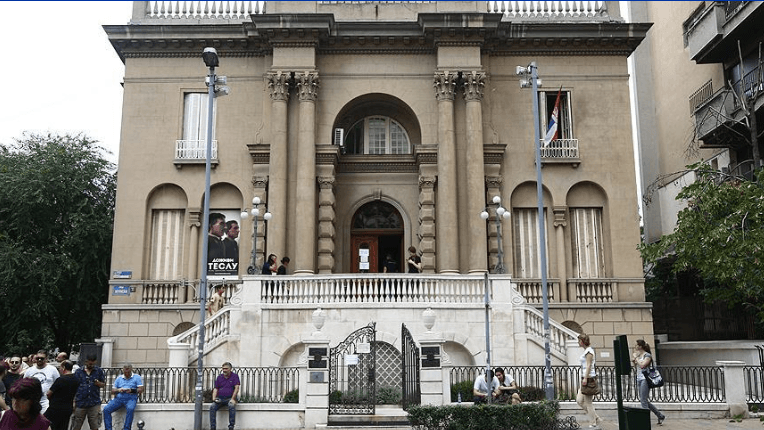
Nikola Tesla Museum Exterior (AA)
The Nikola Tesla Museum is located in the center of Belgrade, housed in a historic mansion. The building’s architecture reflects early 20th-century modern Serbian design. The museum building serves both as an exhibition space and a research center.
The museum holds one of the most comprehensive collections related to Tesla’s scientific legacy. The core components of the collection include:
The collection provides not only insights into Tesla’s scientific work but also significant information about his intellectual development and personal life.
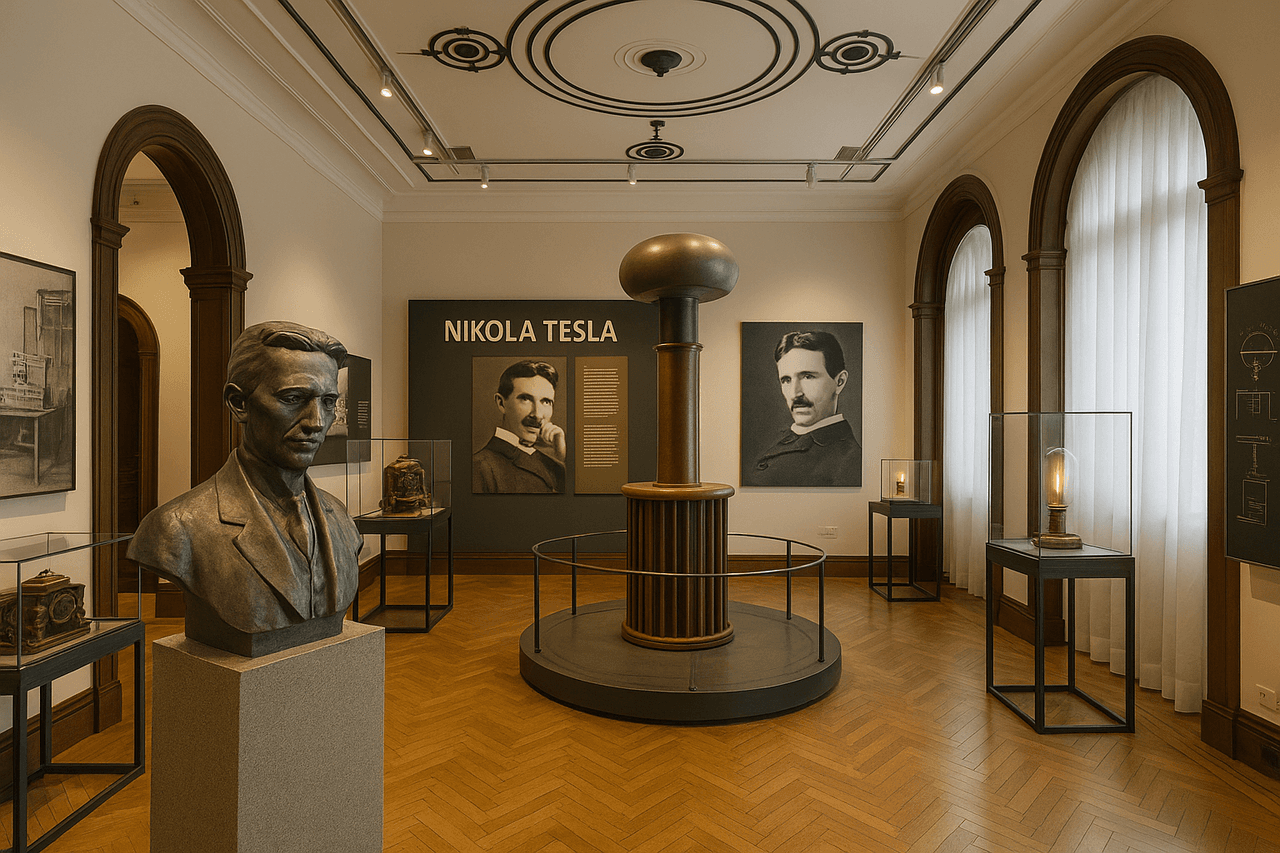
Nikola Tesla Museum (Image generated by Artificial Intelligence.)
The Nikola Tesla Museum is not merely an exhibition space; it also functions as an educational and scientific research center. Interactive exhibitions, experimental demonstrations, and workshops organized by the museum are particularly aimed at young visitors. The museum also provides researchers with a comprehensive archive and document repository.
Nikola Tesla’s vision aimed to serve humanity and expand the boundaries of science. True to this vision, the museum does not only introduce visitors to the past; it also seeks to cultivate a scientific perspective on the future. Tesla’s philosophy of life, his foresight regarding technology, and his ideals for humanity form the core of the museum’s mission.

No Discussion Added Yet
Start discussion for "Nikola Tesla Museum" article
Foundation and History
Architectural Structure and Location
Museum Collections
Educational and Research Activities
Scientific and Cultural Legacy