+2 More

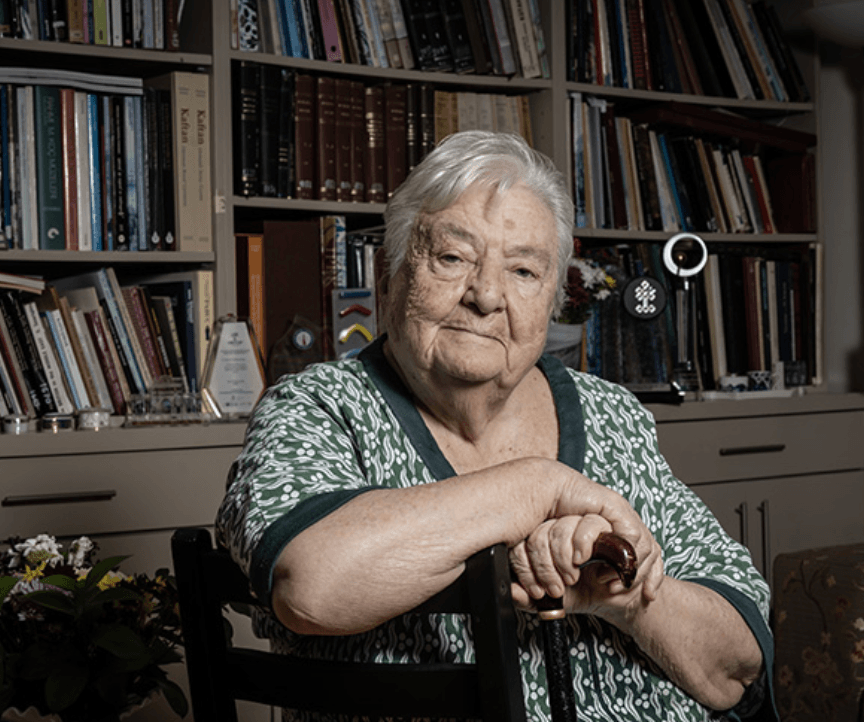
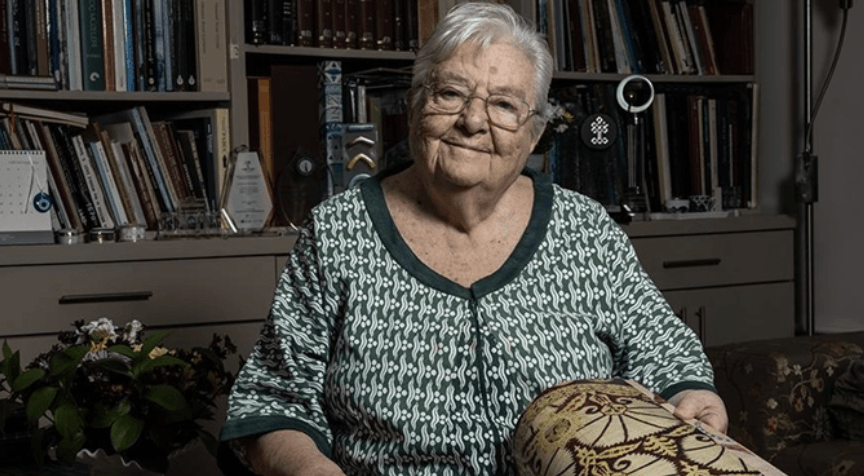
Nurhan Atasoy was born in 1934 in the Reşadiye district of Tokat. Her father was a pharmacist and her grandfather a medical professor from Reşadiye. Her family was a carrier of an intellectual tradition spanning from the Ottoman Empire to the Republic. Her grandfather Alirıza Atasoy served on the front during the First World War and the War of Independence and contributed to the fight against infectious diseases. Alirıza Bey’s archival work and the historical events he recounted at home deeply influenced Nurhan Atasoy’s thought world.
Atasoy spent her childhood in Sultanahmet and lived through the years of scarcity and hardship in Istanbul after war. Raised in family apartments, she grew up in a traditional house environment that encouraged reading, curiosity and research. Well-known figures of the era frequently visited their home, including Fuat Köprülü and Mim Kemal Öke like.
Throughout her education until high school, Atasoy developed a distance from history classes due to difficulties she experienced, which led to her repeating a grade. This stemmed from her resistance to the rote-learning approach of the subject. However, her interest in history was rekindled when she encountered a history teacher in her final year of high school who taught history through storytelling. This breaking point opened the way to a life-changing decision. Without consulting anyone, she enrolled in the Department of Art History at the Faculty of Letters of Istanbul University.
At university, particularly under the influence of her Islamic art professor, Prof. Wolf Erdmann, she turned toward academia. Erdmann’s guidance and art history field trips strengthened Atasoy’s identity as a researcher. The experience she gained documenting caravanserais in Anatolia using a Photograph machine laid the groundwork for her future field research.
A significant part of Atasoy’s academic life consisted of hours spent in libraries. While working at the University’s Rare Books Library, encouraged by the librarian Nurettin Kalkandelen, she developed a habit of using library. Working in the library environment contributed to her deepening expertise in art history. Her meticulous attention to collections and personal efforts toward preserving rare works reveal her professional responsibility ethos. Books she collected from secondhand dealers formed the foundation of her personal library. Over time, this library became so rich that many researchers aspired to access it.
Atasoy deepened her academic work begun in the 1950s through publications gathered from secondhand bookshops and observations made in the field, beginning to prepare her first major texts on Ottoman art during this period. Works such as Derviş Çeyizi, Iznik Ceramics, Ottoman Gardens, Surname-i Hümayun, and Otag-ı Hümayun offered new perspectives on Ottoman culture through miniatures, textiles, architecture, and objects. In these studies, only she did not merely rely on existing literature; she shaped her own field through original information production. Consequently, she used texts such as Divanu Lugati’t-Turkish both as classical sources and correlated them with visual documentation.
Her long-term field research on tents, in particular, took her to various museums in Europe. By convincing museum staff, she gained access to difficult-to-reach collections, took measurements, and prepared documents. Each of her studies was eventually transformed into books after years of dedicated effort.
Nurhan Atasoy was not only a researcher but also an effective educator. She guided her students through lectures in art history departments as well as seminars and discussions. She shared her own library holdings and archives with her students and created an environment where young researchers could develop. She opened every time to her assistants and encouraged them in matters of scholarly rigor.
Professor Dr. Nurhan Atasoy was awarded the Special Prize in the “Art History” category by the Ministry of Culture and Tourism of the Republic of Türkiye in 2018. Looking back, she expressed her satisfaction with her life by saying, “I received more recognition than I had hoped for or deserved.” She remains actively engaged in research and is currently working on a book project about the Ottoman Navy. Her efforts to compile documents ranging from library catalogs to rare collections continue to this day in today.
Nurhan Atasoy did not merely turn her passion for art history into a profession; she played a foundational role in shaping the discipline of art history in Türkiye. She stands out as a science who devoted her life to knowledge, documentation, and disciplined research. Her commitment to the discipline of art history, her devotion to the intellectual heritage, and her support for students will be remembered across generations.
Educational Journey and Discovery of Art History
Library Culture and the Researcher’s Identity
Early Works and Publishing Career
Role as an Educator and Relationship with Students
Awards, Honors, and Later Works